
Why Regeneration Is the New Frontier for Canadian Farmers
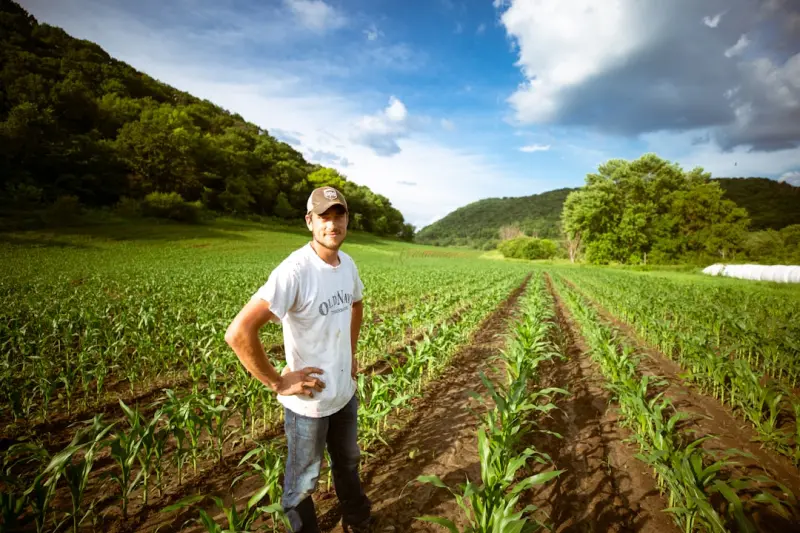
Standing at the edge of my 300‑acre field in southwestern Ontario, I watch the sun paint the loam a warm amber, and I’m reminded that the soil beneath our boots is the most precious capital we tend to. For generations, Canadian agriculture has leaned on chemical inputs to boost yields, yet the rising cost of fertilizers and the whisper of climate volatility have forced a quiet reckoning among us who live off the land; the answer is not a return to old‑school monoculture but a holistic embrace of regenerative practices that rebuild organic matter, enhance water retention, and invite a chorus of microbes back into the earth. By planting cover crops, integrating livestock grazing, and reducing tillage, families like mine are discovering that a healthier soil ecosystem translates directly into resilient harvests, lower input bills, and a product that consumers can truly feel good about supporting.
The Power of Indigenous Soil Wisdom
When I first sat down with a respected Anishinaabe elder near the Great Lakes, I realized that the stories of “three sisters” planting—corn, beans, and squash—are far more than cultural folklore; they encode a sophisticated understanding of nutrient cycling, shade provision, and pest deterrence that modern science is only beginning to quantify, and by weaving these principles into my own rotation I’ve seen nitrogen‑fixing beans lift corn yields without a single synthetic spike. The elder shared that the practice of “burning the prairie” was once a deliberate, low‑intensity fire used to rejuvenate the topsoil, a technique now mirrored in controlled‑burn programs that release locked carbon and stimulate seed germination, proving that ancient stewardship offers a roadmap for contemporary sustainability. To honor this knowledge, I’ve partnered with local Indigenous groups to co‑host workshops, and the collaboration has sparked a community of farmers eager to adopt practices that honor the land’s original caretakers while meeting market demands for responsibly grown produce.
Digital Twins: A Virtual Farm on Your Laptop
Imagine having a replica of your entire farm—every field, irrigation line, and tractor—running in a computer simulation that predicts how a week’s worth of rain, a sudden pest outbreak, or a price shift will affect your bottom line; that’s the promise of digital twin technology, and early adopters across the Prairies are already seeing the benefits of real‑time scenario planning that once required costly guesswork. By feeding satellite imagery, sensor data, and historical weather patterns into a cloud‑based model, the platform can suggest the optimal planting window for a canola field, forecast nitrogen leaching risks, and even calculate the carbon credit potential of a cover‑crop regime, turning abstract sustainability goals into concrete financial incentives. While the upfront investment may raise eyebrows, the return on investment manifests in reduced input waste, higher yields, and a compelling story for buyers who value transparency, and for those skeptical of high‑tech solutions, the ability to test strategies without risking a single seed offers peace of mind that traditional trial‑and‑error simply cannot match.
Renewable Energy: Harnessing the Sun and Wind on the Homestead
In the rolling fields of my hometown, a modest array of solar panels now crowns the barn’s roof, feeding clean electricity into the farm’s grid and cutting my diesel generator usage by nearly half, a shift that not only trims operating costs but also positions the operation to qualify for emerging green‑energy subsidies that many of my peers overlook. Complementing the solar harvest, a small wind turbine perched on the ridge captures breezes that sweep the prairie during the harvest season, providing a steady trickle of power that keeps refrigeration units humming and lights bright during the long winter nights when daylight is a scarce commodity. Beyond the immediate financial upside, the transition to renewable sources sends a powerful message to consumers and regulators alike: Canadian farmers are not merely producers of food but also stewards of the environment, and the visible presence of clean‑energy infrastructure on a family farm can inspire neighboring properties to explore similar pathways, creating a ripple effect that amplifies carbon‑reduction goals across the agricultural sector.
Data‑Driven Decision Making with Low‑Cost Sensors
Last spring I installed a network of inexpensive soil‑moisture sensors that relay data to my smartphone, allowing me to fine‑tune irrigation schedules down to the hour and avoid the wasteful blanket watering that has plagued the region for decades, a practice that has shaved 20 percent off my water bill and preserved precious groundwater reserves during an increasingly dry season. These devices, often no larger than a matchbox, also track temperature, pH, and electrical conductivity, feeding a dashboard that flags nutrient deficiencies before they manifest as stunted growth, and the early alerts have enabled me to apply targeted amendments that boost yield quality while slashing fertilizer runoff that threatens nearby waterways. The simplicity of the technology means that even farms with limited technical expertise can adopt it, and the collective data gathered across dozens of farms is beginning to form a provincial “soil health map,” a resource that policymakers can use to design more effective agricultural support programs, proving that grassroots tech adoption can drive systemic change.
Community‑Supported Agriculture (CSA) Reinvented for the Digital Age
While the classic CSA model—customers paying upfront for a season’s share of produce—has long provided financial stability for small farms, today’s digital platforms allow us to expand that concept beyond a handful of local families to a province‑wide network of subscribers who receive weekly boxes curated by algorithmic taste profiles, ensuring that every household gets the vegetables they love while still enjoying the surprise of a farmer’s market find. By integrating an e‑commerce portal with real‑time inventory tracking, we can adjust harvest plans on the fly, reduce waste from unsold produce, and offer add‑ons such as farm‑made preserves or handcrafted wooden crates, turning a simple subscription into a full‑featured experience that deepens consumer connection to the land. The model also opens doors for collaborative marketing with other regional producers—dairy, honey, and artisanal cheese—creating bundled packages that showcase the diversity of Canadian agriculture and give customers a taste of terroir that no supermarket aisle can replicate.
Carbon Farming Credits: Monetizing Soil Health
Recent policy shifts have introduced a verifiable carbon credit system that rewards farmers for practices that sequester atmospheric CO₂ in the soil, and after completing a third‑party assessment of my cover‑crop and no‑till regimen, I received a certificate that translates directly into tradable credits, providing an additional revenue stream that offsets the cost of new equipment and encourages continual improvement in soil stewardship. The process begins with a baseline carbon inventory, followed by annual sampling and remote sensing to quantify the incremental carbon stored, and the transparent verification protocol ensures that buyers—whether corporations seeking offset portfolios or government entities funding climate initiatives—can trust the integrity of the credits they purchase. As more farms join the program, the market matures, and economies of scale drive down transaction costs, making carbon farming an accessible option even for modest operations, while simultaneously positioning Canadian agriculture as a frontline participant in the global fight against climate change.
Collaborative Innovation Hubs: Farms as Living Labs
In partnership with a regional university and a tech incubator, we have transformed a portion of our acreage into an open‑access research field where startups can test drones, autonomous tractors, and AI‑driven pest‑prediction models under real‑world conditions, a setup that accelerates product development while providing us with early access to tools that can shave labor hours and improve precision across the farm’s operations. The hub operates on a membership model, offering participating companies a discounted plot fee in exchange for data sharing agreements that feed back into our own farm management system, creating a symbiotic relationship where innovation is both showcased and immediately applied to enhance productivity and sustainability. By inviting students, entrepreneurs, and seasoned agronomists to collaborate on site, we foster a community of practice that blurs the line between academic research and everyday farming, ensuring that the next generation of agricultural technology is rooted in the practical challenges and opportunities unique to Canadian landscapes.
Storytelling: Sharing the Farmer’s Journey Online
Beyond the fields, I’ve taken to documenting my regenerative journey on a modest blog, using video diaries and photo essays to demystify the day‑to‑day realities of modern farming, and the authentic narrative has resonated with urban audiences who crave a tangible connection to the food on their plates, driving traffic that translates into direct‑to‑consumer sales and speaking engagements that amplify our message of sustainability. To reach a broader audience, I cross‑posted excerpts on social platforms and linked to relevant internal resources such as Micro‑Experiments: The Secret Engine Driving Modern Business Growth and Indigenous Governance Models Reshaping Canada’s Federal Politics, positioning my farm’s story within the larger context of innovative Canadian enterprises and respectful Indigenous partnerships. The feedback loop is powerful: readers ask questions that spark new research, collaborators reach out with pilot projects, and the community feels a shared ownership of the land’s future, illustrating that storytelling is not just marketing—it is a catalyst for collective action and lasting change.

Related Posts
Regenerative Roots: How Canadian Farmers Turn Soil into Climate Solutions
Canadian farmers are reshaping agriculture by adopting regenerative methods that improve soil health... Read More
Renewable Energy Transforming Canadian Farms: A Farmer’s Perspective
From solar panels to carbon credits, Canadian farmers are turning renewable energy into a profitable... Read More
From Soil to Screen: How Canadian Farmers Are Redefining Rural Resilience
A farmer’s eye view of the new era in Canadian agriculture—regenerative soil care, digital tools... Read More
Top Posts

When the Playground Becomes a Data Mine: A Parental Warning About Connected Toys
Smart toys blend AI and play, but they can also harvest a child’s data. This article offers a parental warning, explores hidden risks, and provides actionable...Read More

Canada’s Next Political Leap: Embracing Proportional Representation
A deep dive into why Canada needs to move away from first‑past‑the‑post, how proportional representation works, and concrete steps citizens can take to ch...Read More

Mini‑Getaways at Sea and on the Road: The Rise of Micro‑Adventure Cruises and Bus Tours
Micro‑adventures are redefining travel: short cruises and boutique bus tours deliver deep, themed experiences in 48‑72 hours, perfect for busy professiona...Read More

When Convenience Costs More Than You Think
Convenience feels priceless until the bills arrive. This post uncovers the hidden expenses of subscriptions, on‑demand apps, and smart‑home gadgets, offerin...Read More
0 Comments
Post Comment
You will need to Login or Register to comment on this post!