

Re‑imagining the Farm‑Land Relationship
Across the breadth of Canada’s prairies, forests, and coastlines, the very act of farming is being reshaped by a quiet yet powerful resurgence of Indigenous stewardship. Modern producers, once isolated behind rows of monoculture, are now listening to the rhythms of the land that Indigenous peoples have honored for millennia, recognizing that the soil’s memory runs deeper than any chemical label. This shift is not a romantic veneer but a pragmatic response to climate volatility, market pressure, and a growing appetite for authenticity among consumers.
Seasonal Cycles as a Blueprint
Indigenous knowledge treats the year as a living calendar, where planting, harvesting, and resting periods are dictated by the sun, moon, and migratory patterns of wildlife. By aligning crop rotations with these natural cues, farmers can reduce reliance on synthetic inputs and tap into the land’s innate fertility, allowing legumes to replenish nitrogen exactly when the soil needs it most. The result is a resilient farm system that thrives on timing rather than trial‑and‑error, turning seasonal change from a risk into a strategic advantage.
Traditional Practices for Modern Challenges
Techniques such as controlled cultural burns, polyculture inter‑planting, and water‑wise terracing are emerging from Indigenous teachings and finding a place beside tractors and GPS‑guided planters. Controlled burns, for instance, clear invasive brush while releasing nutrients back into the topsoil, creating a mosaic of habitats that support pollinators and beneficial insects. Inter‑cropping—mixing corn, beans, and squash in the same field—mirrors the “Three Sisters” method, boosting yields, suppressing weeds, and fostering a micro‑climate that conserves moisture during dry spells.
Mentorship Networks: Elders Meet Agronomists
At the heart of this renaissance are mentorship circles where Elders share oral histories, seed stories, and stewardship principles with the next generation of growers. These relationships are formalized through community workshops, on‑farm residencies, and digital storytelling platforms that capture nuanced practices otherwise lost to time. The exchange is reciprocal: while farmers gain time‑tested strategies, Elders receive access to modern tools that amplify the reach of their teachings, ensuring that stewardship knowledge evolves rather than stagnates.
Blending Data Cooperatives with Ancestral Insight
One of the most exciting frontiers is the fusion of Indigenous wisdom with the analytical power of data cooperatives. Farmers are now feeding observations about plant phenology, wildlife activity, and soil moisture into shared platforms, creating datasets that respect both scientific rigor and cultural context. By contributing to data cooperatives, they unlock collective insights while safeguarding the sovereignty of traditional knowledge, forging a collaborative intelligence that benefits the entire agricultural community.
Policy Pathways and Collaborative Funding
Government agencies and non‑profits are beginning to recognize the value of Indigenous‑led agricultural initiatives, directing grants toward joint research projects, seed banks, and land‑trust models that honor ancestral ownership. These policies encourage co‑development of curricula that blend soil science with Indigenous land ethics, creating a pipeline of professionals who can navigate both regulatory frameworks and cultural protocols. When funding mechanisms respect the intellectual property of Indigenous communities, the resulting programs are more than token gestures—they become engines of sustainable growth.
Economic Opportunities Rooted in Culture
The market is responding enthusiastically to products that tell a story of place and purpose, and farms that incorporate Indigenous practices are uniquely positioned to capitalize on this demand. Specialty grains, heirloom vegetables, and wild‑crafted herbs cultivated through traditional methods command premium prices in farm‑to‑table restaurants and boutique retailers. Moreover, agritourism experiences that invite visitors to participate in seed‑saving ceremonies or fire‑managed landscape tours deepen consumer connection, turning a simple purchase into an immersive cultural exchange.
Environmental Gains and Regenerative Narratives
When farms adopt Indigenous stewardship, the environmental dividends are profound: carbon sequestration improves, biodiversity flourishes, and water cycles become more stable. These outcomes echo the principles highlighted in regenerative farming stories, yet they are grounded in a worldview that predates modern sustainability jargon. By viewing the farm as a living entity rather than a production line, growers cultivate soils that store carbon for decades, creating a tangible contribution to climate mitigation.
Looking Forward: A Shared Vision of Land Care
The convergence of Indigenous wisdom and contemporary agriculture is more than a trend; it is a blueprint for the future of Canadian farming. As producers continue to weave time‑honored practices into the fabric of modern operations, they nurture a resilient food system that honors the past while feeding the future. Embracing this partnership invites us all—farmers, policymakers, and consumers—to become caretakers of the land, ensuring that the fields we inherit remain fertile, vibrant, and abundant for generations to come.

Related Posts
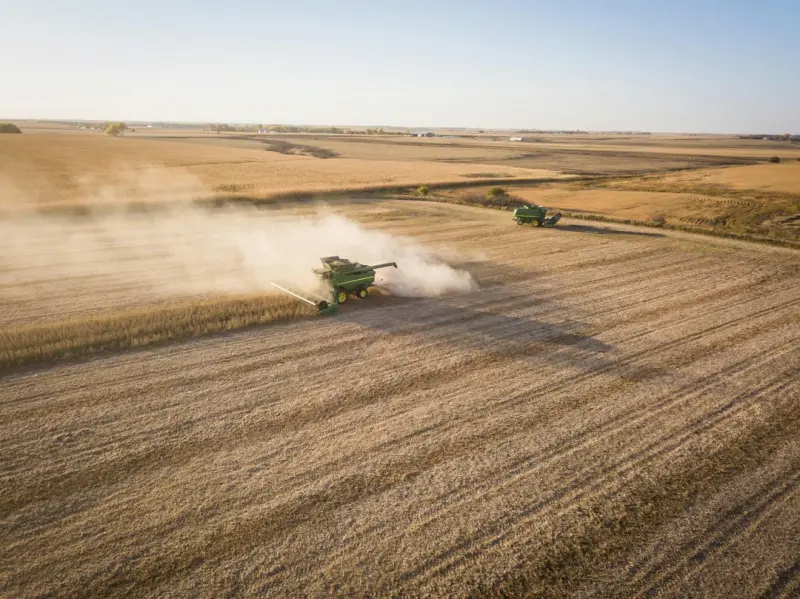
Powering the Prairie: How Canadian Farmers Are Turning Fields into Renewable Energy Hubs
Canadian farms are evolving from pure food production to clean‑energy powerhouses. This article ex... Read More

Harvesting Power Together: The Cooperative Wave Transforming Canadian Agriculture
Canadian farmers are banding together in cooperatives, sharing resources, technology, and market pow... Read More
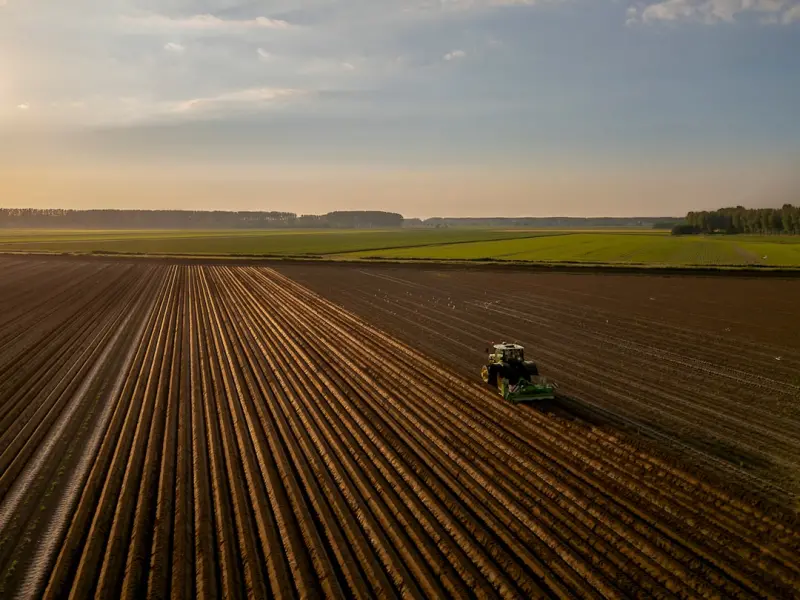
Harvesting Collaboration: How Canadian Farmers Are Building a Shared Future on the Land
From community equipment hubs to data‑driven marketplaces, Canadian farmers are redefining indepen... Read More
Top Posts

Playful Movement: How Everyday Joy Can Rewire Your Health
Explore the transformative power of playful movement—simple, joyful activities that improve fitness, mood, and resilience. Learn practical tips to make fun mo...Read More

National Data Trusts: Unlocking Value While Safeguarding Privacy
A national data trust can turn fragmented Canadian data into a shared, secure asset that fuels innovation, supports policy, and respects privacy—offering a Sa...Read More

Decentralizing Power: How Provincial Innovation Is Redefining Canadian Politics
A fresh look at the rise of provincial authority, digital engagement, and inclusive governance reveals how Canada’s political future is being reshaped from th...Read More

Why Digital Nomad Visas Are the New Travel Gold Rush
Digital nomad visas are turning travel into a long‑term career strategy, driving economic growth for host countries and offering remote workers a legal pathwa...Read More
0 Comments
Post Comment
You will need to Login or Register to comment on this post!