
Why the Cocktail Scene Needs a Zero‑Waste Revolution
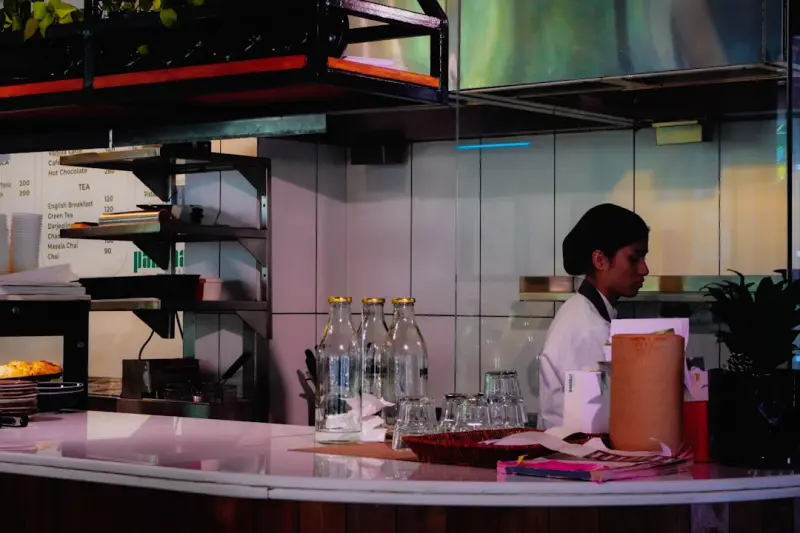
Every evening, I watch the back‑of‑house crew at my favorite speakeasy toss citrus rinds, herb stems, and spent coffee grounds into the trash. It’s a ritual that feels almost ceremonial—until you realize it’s also a massive waste stream. The hospitality industry, especially bars, is one of the most under‑examined culprits in the fight against food waste. While many chefs have embraced “nose‑to‑tail” or “root‑to‑leaf” philosophies, mixologists are just beginning to ask the same question: what can we do with the parts of ingredients that traditionally end up in the landfill?
The Real Cost of Cocktail Waste
According to a recent study on the hidden costs of modern living, the average bar discards roughly 20 % of its fresh produce each week. Those scraps aren’t just lost flavor; they represent a financial and environmental hit. When you factor in the energy used to grow, transport, and refrigerate those items, the carbon footprint of a single wasted lemon peel can be surprisingly large.
Beyond the numbers, there’s a cultural narrative at play. The glamour of a perfectly balanced cocktail often masks the reality that its creation is a linear, take‑and‑throw process. By rethinking that linearity, we can turn the entire cocktail lifecycle into a circular loop—where today’s waste becomes tomorrow’s signature sip.
Zero‑Waste Mixology: A Philosophy, Not a Gimmick
Zero‑waste mixology is rooted in three simple tenets:
- Resourcefulness: Use every part of an ingredient, from the pulp to the peel.
- Creativity: Transform what would be waste into flavor‑forward components.
- Sustainability: Reduce the bar’s overall environmental impact without sacrificing taste.
It’s not about forcing every bartender to become a chemist. Instead, it’s about building a toolbox of techniques that can be applied in any setting—from a home kitchen to a high‑end lounge.
From Scraps to Stars: Core Ingredients You Already Have
Before you go hunting for exotic “upcycled” products, look at the scraps you’re already producing:
- Citrus peels (lemon, lime, orange, grapefruit): Perfect for making zest oils, candied peels, and aromatic bitters.
- Herb stems (mint, basil, rosemary, thyme): Rich in essential oils; ideal for herb‑infused syrups and tinctures.
- Vegetable tops (carrot greens, beet greens, radish leaves): Offer earthy, vegetal notes that can be steeped into vermouths or used as garnish.
- Spent coffee grounds: Provide deep, roasted bitterness; great for coffee‑infused liquors.
- Fruit pulp after juicing: Can be turned into fruit‑based liqueurs or reduced into a sweet‑sour concentrate.
Techniques to Extract Maximum Flavor
Turning scraps into cocktail gold requires a few foundational methods. Master these, and you’ll find yourself constantly surprised by the depth you can achieve.
Infusions
Simply submerge your chosen scrap in a spirit for anywhere from a few hours to several weeks. The key is balance: too much time can yield bitterness, while too little leaves the flavor under‑developed. A quick rule of thumb—taste every 24 hours after the first 48 hours.
Syrups and Shrubs
Combine equal parts water and sugar, add your herb stems or citrus peels, and heat until the sugar dissolves. Cool, strain, and you have a versatile syrup that can sweeten and flavor any drink. For a tangier profile, swap some water for vinegar and let the mixture sit for a few days to create a shrub.
Bitters
Bitters are the secret backbone of many classic cocktails. By using citrus peels, spice remnants, and even coffee grounds, you can craft a personalized bitter that adds complexity without extra sugar. A basic recipe involves 1 cup high‑proof spirit, ½ cup water, 1 cup sugar, and a handful of your chosen scraps, simmered gently for 20 minutes and then aged for a week.
Ice‑Based Flavors
Freeze flavored water or broth into ice cubes. As they melt, they slowly release their essence—perfect for a drink that evolves over time. Think rosemary‑infused ice cubes in a gin fizz, or orange‑peel ice for a tequila sunrise.
Tools of the Trade (No Need for a Lab)
You don’t have to invest in expensive equipment to practice zero‑waste mixology. A few kitchen staples will do:
- Fine mesh strainer or cheesecloth: For separating liquids from solids.
- Glass jars with airtight lids: Ideal for infusions.
- Small saucepan: For making syrups.
- Shaker and bar spoon: Essential for any cocktail, zero‑waste or not.
Three Zero‑Waste Cocktail Recipes to Get You Started
Below are three fully tested drinks that showcase the power of using scraps. Feel free to experiment with ratios and swap ingredients based on what’s on hand.
1. The Citrus‑Stalk Collins
Ingredients:
- 2 oz gin
- ½ oz lemon‑peel syrup (see infusion method)
- ¼ oz rosemary‑stem tincture (steep rosemary stems in vodka for 48 hours)
- Soda water
- Ice
Method: Fill a shaker with ice, gin, lemon‑peel syrup, and rosemary‑stem tincture. Shake briefly, then strain into a tall glass over fresh ice. Top with soda water, give a gentle stir, and garnish with a twist of lemon peel (the very peel you used for the syrup).
2. Coffee‑Ground Old‑Fashioned
Ingredients:
- 2 oz bourbon
- ¼ oz coffee‑ground bitters (see bitters section)
- ½ oz simple syrup
- Orange‑peel twist for garnish
Method: Combine bourbon, coffee‑ground bitters, and simple syrup in a mixing glass with ice. Stir until well‑chilled, then strain over a large ice cube. Express an orange‑peel over the drink and drop it in for aromatic finish.
3. Herb‑Top Vermouth Spritz
Ingredients:
- 1 oz herb‑infused vermouth (use carrot greens and beet tops, steeped in dry vermouth for 72 hours)
- 3 oz prosecco
- ¼ oz lavender‑stem syrup (optional)
- Soda water splash
- Fresh herb sprig (mint or basil) for garnish
Method: In a wine glass, combine herb‑infused vermouth, prosecco, and lavender‑stem syrup. Add a splash of soda water, stir lightly, and garnish with a fresh herb sprig.
Scaling the Concept: From Home Bar to Commercial Establishment
For home enthusiasts, the barrier to entry is low—just a few jars and a bit of curiosity. For commercial bars, the upside is twofold: reduced ingredient costs and a compelling story for eco‑conscious patrons. Restaurants can even create a menu section dedicated to zero‑waste cocktails, turning sustainability into a unique selling proposition.
Implementation tips for businesses:
- Audit your waste: Track what’s thrown away each week to identify the most abundant scraps.
- Standardize a few core infusions: Choose 3‑5 versatile bases (citrus, herb, coffee) that can be rotated.
- Train staff: Host a short workshop on infusion safety and flavor profiling.
- Promote the story: Use menu notes or social media to highlight the origins of each cocktail.
Addressing Common Concerns
Flavor Balance: The temptation to overload a drink with intense scraps is real. Start with small amounts, taste frequently, and remember that dilution (through ice or mixers) can tame overly strong notes.
Safety and Shelf Life: Fresh herbs and citrus can harbor microbes. Keep infusions refrigerated, label them with date, and use a clean, airtight container. Most infused spirits last up to a month; syrups and bitters can stretch longer if stored properly.
Regulatory Hurdles: Some jurisdictions require that any added ingredient be listed on the cocktail menu. Transparency is key—if you’re using upcycled components, note them to stay compliant.
Future Trends: Upcycled Spirits and the Role of Tech
The zero‑waste movement is already inspiring startups to produce upcycled spirits—alcohol distilled from leftover fruit pulp, spent grain, or even coffee husks. While this sounds like a niche market, it aligns perfectly with the growing demand for sustainable products.
Even though we’ve seen the rise of AI‑driven sensory analytics in restaurants, the human palate remains the ultimate judge in mixology. However, technology can aid in tracking waste, suggesting flavor pairings, and ensuring consistency across batches.
And let’s not forget the importance of digital security for any business handling customer data—especially when you’re collecting email addresses for a “Zero‑Waste Cocktail Club” newsletter. A secure platform protects both your brand and your patrons.
Conclusion: Turning Scraps into Signature Sips
Zero‑waste mixology isn’t a fleeting fad; it’s a practical, delicious response to an industry that has long ignored its own waste streams. By embracing the philosophy of resourcefulness, you not only cut costs and reduce environmental impact—you also unlock a new realm of flavor that can set your bar apart.
Next time you watch a bartender toss a lemon peel, imagine the potential cocktail waiting to be born from that very peel. With a few simple tools, a dash of curiosity, and a commitment to sustainability, you can transform kitchen leftovers into the next signature sip that guests will rave about.

Related Posts

Sip, Savor, Sustain: The New Wave of Zero‑Waste Cocktail Culture
A deep dive into the emerging zero‑waste cocktail movement, highlighting foraged botanicals, micro... Read More

From Soil to Glass: Crafting Zero‑Waste Cocktails with Urban Foraged Finds
Discover the art of zero‑waste mixology, where urban foraging and kitchen scraps become the stars ... Read More
Unlocking the Secrets of Perfect Cold Brew at Home
Learn the science, steps, and creative twists behind perfect cold brew coffee, from basic brewing to... Read More
Top Posts
Why Your Commute Is Draining More Than Your Time
Your daily commute may be silently eroding your finances and wellbeing. This deep‑dive uncovers the full cost of travel, from fuel to stress, and offers dataâ...Read More

Turn Prom & Graduation Energy into Career Momentum
Learn to transform the afterglow of prom and graduation into a strategic career boost using data‑driven fashion choices, community sharing, digital well‑bei...Read More

Discovering the Wonders of Little Canada: A Miniature Journey Across the Nation
As a passionate explorer and lover of all things Canada, I was utterly captivated when I first heard about Little Canada. The concept alone – a vast, meti...Read More

Wellness on the Move: Curating Calm in Cruises & Bus Tours
A deep dive into emerging wellness‑focused strategies for cruises and bus tours, from digital‑free windows and aromatherapy corridors to community‑driven ...Read More
0 Comments
Post Comment
You will need to Login or Register to comment on this post!