
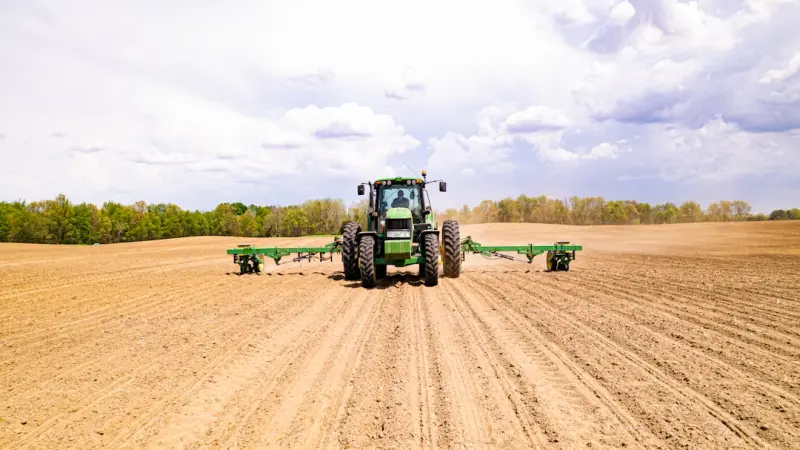
Why Seed Sovereignty Matters More Than Ever
Standing at the edge of my grandfather’s wheat field, I feel the pulse of generations that have coaxed life from the soil, and I realize that the future of Canadian farming hinges on a quiet but powerful movement: seed sovereignty. Preserving heirloom varieties isn’t just a nostalgic hobby; it’s a strategic response to climate volatility, market consolidation, and the erosion of genetic diversity that threatens food security across the Prairies and beyond. When we protect the seeds that have adapted to our local micro‑climates, we empower farms to thrive without relying on costly, patented hybrids that often falter under extreme weather.
Roots in Indigenous Knowledge
Long before the first tractors rolled onto the plains, Indigenous peoples cultivated intricate seed‑saving traditions, exchanging kernels and tubers through ceremonial gatherings that honored the land and its cycles. These practices encoded centuries of ecological wisdom—knowing which varieties resisted drought, resisted pests, or stored nutrients for winter—yet colonial policies disrupted these networks, imposing uniform crops that ignored regional resilience. Re‑embracing these ancient stewardship methods offers a roadmap for modern farmers seeking to rebuild ecological balance while respecting the cultural heritage of the First Nations, Métis, and Inuit communities.
Pressures From a Changing Climate
Today, erratic weather patterns—from sudden heat spikes in Saskatchewan to unseasonal frosts in Ontario—are exposing the fragility of monoculture systems that dominate large‑scale agriculture. Farmers who cling to a single, high‑yield hybrid find their yields slashed, their margins squeezed, and their livelihoods jeopardized, prompting a desperate search for more adaptable plant material. Seed diversity acts as a biological insurance policy, allowing farms to rotate varieties that can tolerate specific stressors, thereby stabilizing production in the face of climate uncertainty.
Community Seed Banks: A Growing Lifeline
Across Canada, grassroots seed banks are sprouting in barns, community centres, and even school gardens, acting as repositories for locally adapted varieties that might otherwise disappear. These banks operate on a simple premise: growers deposit a portion of their harvest, receive a catalog of available seeds, and trade them based on need, season, and soil type, fostering a collaborative economy that reduces dependence on multinational seed corporations. By sharing knowledge alongside the kernels, seed banks also cultivate a sense of shared responsibility, turning isolated farms into a resilient, inter‑linked network.
Digital Tools Bridging the Rural Divide
While the image of a farmer clutching a paper ledger may feel nostalgic, today’s rural innovators are leveraging smartphones, satellite imaging, and open‑source databases to map seed origins, track germination rates, and connect growers across provinces. Platforms that once seemed destined for urban tech hubs are now being repurposed to support agricultural exchange, mirroring the way telemedicine in rural communities has broken down barriers to health care. These digital bridges enable real‑time collaboration, allowing a farmer in New Brunswick to learn from a prairie grower’s success with a drought‑tolerant barley, thereby accelerating the diffusion of resilient traits.
Co‑Creation Marketing: Turning Farmers Into Storytellers
Beyond the seed itself, the narrative surrounding each variety can become a powerful marketing asset, especially when farmers engage directly with consumers who crave transparency and authenticity. By partnering with chefs, local food co‑ops, and storytellers, growers can co‑create campaigns that highlight the lineage of a grain, its cultural significance, and its environmental benefits, turning a simple loaf of bread into a celebration of regional heritage. This approach aligns with the principles of co‑creation marketing, where community members become active participants in brand storytelling, fostering loyalty and premium pricing opportunities for heirloom crops.
Environmental Payoffs: Biodiversity and Soil Health
When farms cultivate a mosaic of crop varieties, they naturally attract a broader spectrum of pollinators, beneficial insects, and soil microbes, creating a self‑reinforcing ecosystem that reduces the need for synthetic inputs. Diverse root structures break up compacted soils, improve water infiltration, and sequester carbon more effectively than monocultures, contributing to climate mitigation goals while enhancing long‑term fertility. Moreover, preserving genetic variation safeguards against emergent pests and diseases, ensuring that a single outbreak cannot wipe out an entire harvest.
Case Study: A Prairie Family Farm’s Seed Revival
On a 500‑acre farm near Swift Current, the Thompson family has transformed a neglected seed shed into a thriving hub of heirloom preservation, swapping wheat, canola, and lentil varieties with neighboring growers through a rotating “seed circle” that meets quarterly. By integrating drought‑resistant Saskatoon wheat into their rotation, they have reduced irrigation needs by 30 % while maintaining grain quality, and their experimental plots have yielded a new hybrid that thrives on marginal soils where conventional hybrids fail. Their success story illustrates how modest, community‑driven initiatives can generate tangible agronomic and economic benefits.
Policy Gaps and the Role of Innovation Hubs
Despite the evident advantages, current agricultural policies often overlook the needs of small‑scale seed savers, providing limited funding for storage facilities, research, or market access. To bridge this gap, municipal and provincial governments are experimenting with “innovation hubs” that repurpose underused public spaces—such as libraries and community centres—into seed testing labs, training workshops, and digital marketplaces, echoing the concept explored in national libraries as innovation hubs. These hubs can serve as incubators for seed‑saving enterprises, offering technical assistance, legal counsel on plant breeders’ rights, and connections to research institutions.
Looking Ahead: A Call to Cultivate Collective Resilience
As I walk the rows of my own modest plot, I see more than corn and soy; I see the promise of a farming system that honors the past while embracing the future, where each seed exchanged is a vote for sustainability, sovereignty, and community strength. By supporting seed banks, leveraging digital tools, and championing policies that value genetic diversity, we can empower Canadian farmers to weather the storms of climate change and market volatility. I invite fellow growers, consumers, and policymakers to join this quiet revolution—because the health of our nation’s food system is rooted in the humble seed we choose to plant today.

Related Posts
Renewable Energy Transforming Canadian Farms: A Farmer’s Perspective
From solar panels to carbon credits, Canadian farmers are turning renewable energy into a profitable... Read More
From Soil to Screen: Building a Direct‑to‑Consumer Brand on a Canadian Farm
A Canadian farmer shares the step‑by‑step journey of turning a traditional farm into a modern, c... Read More
Powering the Prairie: How Canadian Farmers Are Turning to Renewable Energy
Canadian farmers are embracing solar panels, wind turbines, and biogas digesters to transform energy... Read More
Top Posts

The Quiet Revolution: Community‑Driven Telehealth in Canada’s Remote Frontiers
A deep dive into Canada’s emerging telehealth model that empowers remote communities through culturally aware technology, open‑source platforms, and AI‑en...Read More

Reimagining Ontario Angling: Sustainable Bait, Tech, and Community Stewardship
Ontario anglers are turning to sustainable bait, Indigenous knowledge, and smart tech to fish responsibly, ensuring healthier waters for future generations....Read More

Immersive Pop‑Up Hubs: Redefining Canadian Entertainment on the Fly
From AR‑enhanced alleyways to multi‑sensory sound gardens, Canada’s emerging pop‑up hubs are turning vacant spaces into immersive cultural experiences, ...Read More
Canada’s Interactive Storytelling Wave: From Screen to Play
A deep dive into Canada’s rise of interactive storytelling, where film, gaming, and live events merge to create immersive, sustainable entertainment experienc...Read More
0 Comments
Post Comment
You will need to Login or Register to comment on this post!