
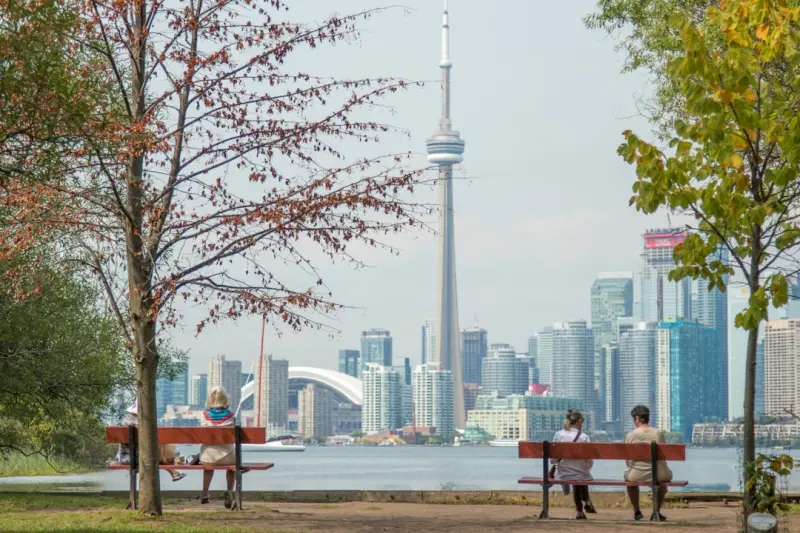
Why Public Spaces Matter in the National Conversation
Across Canada, the conversation about national identity is shifting from abstract symbols to the very streets, parks, and plazas where daily life unfolds. Public spaces act as the living rooms of our cities, offering a stage for spontaneous interaction, civic debate, and cultural expression that textbooks can never capture. When these areas thrive, they reinforce a sense of belonging that transcends provincial borders and reminds us that a nation is built not only by policies but by the moments we share on sidewalks and in squares.
From Vacant Lots to Vibrant Hubs: The Community‑Led Blueprint
Grassroots organizers are turning abandoned lots into pop‑up gardens, art installations, and weekend markets, proving that top‑down planning is no longer the sole path to revitalization. By pooling local talent, small business owners, and neighborhood volunteers, these initiatives create a self‑sustaining ecosystem that reflects the unique character of each district. The result is a patchwork of micro‑centers that collectively weave a stronger national tapestry, one that celebrates diversity without sacrificing cohesion.
Indigenous Wisdom Shaping Modern Urban Commons
For centuries, Indigenous peoples have practiced land stewardship that balances use with reverence, a philosophy now finding its way into contemporary urban design. Projects that incorporate traditional gathering circles, seasonal planting cycles, and multilingual signage honor this legacy while offering city dwellers a deeper connection to the land. Learn more about this cultural resurgence in our piece on Indigenous self‑governance, which illustrates how ancestral knowledge can guide the creation of inclusive public realms.
Funding the Future: Innovative Models Beyond Tax Dollars
Relying solely on municipal budgets has proven insufficient to meet the growing demand for quality public spaces, prompting innovators to explore hybrid financing. Crowdfunding campaigns, social impact bonds, and partnerships with local cooperatives allow communities to raise capital while retaining decision‑making power. These models not only diversify revenue streams but also embed a sense of ownership that encourages long‑term maintenance and stewardship.
Technology Meets Tradition: Smart Parks and Cultural Narratives
Digital tools are reshaping how we experience outdoor environments, from interactive QR‑code histories to real‑time air‑quality monitoring stations. By integrating data analytics—much like the approach highlighted in How Canadian Farmers Are Turning Data Into a New Harvest—municipal planners can fine‑tune lighting, irrigation, and safety protocols to match community needs. Yet the most successful installations marry this precision with storytelling, allowing visitors to discover the layers of meaning embedded in every bench, mural, and pathway.
Measuring Success: Metrics that Matter to Citizens
Traditional metrics such as foot traffic and maintenance costs only tell part of the story; what truly matters is how people feel when they step into a space. Surveys that capture perceived safety, sense of belonging, and opportunities for spontaneous play provide a richer picture of impact. When these human‑centric indicators align with economic data, policymakers gain a compelling case for continued investment.
National Policy Shifts: What Leaders Need to Hear
Federal and provincial leaders are beginning to recognize that public spaces are strategic assets for health, equity, and climate resilience. Embedding clear mandates for community participation, green infrastructure, and Indigenous consultation into legislation can accelerate progress. A deeper dive into the legal landscape can be found in our analysis of Digital Estate Planning, which, while focused on digital assets, underscores the importance of protecting communal heritage for future generations.
Getting Involved: How Every Canadian Can Shape Their Neighborhood
Individual action remains the catalyst that transforms vision into reality. Attending city council meetings, volunteering for neighborhood clean‑ups, or simply suggesting a new piece of public art can set momentum in motion. By documenting successes on social platforms and sharing stories with local media, citizens amplify their impact, turning isolated projects into a nationwide movement.
From Vision to Vibrancy: A Call to Reimagine Our Shared Spaces
The future of Canada’s public realm depends on a collective willingness to experiment, collaborate, and honor the past while embracing innovation. When municipalities, Indigenous partners, tech innovators, and everyday residents align their efforts, the result is a network of spaces that reflect the country’s pluralistic spirit. Let’s seize this moment to redesign the places where we live, work, and play, ensuring that every corner of the nation feels like home.

Related Posts

From Rural Roads to Cloud Corridors: How SaaS Is Redefining National Service Delivery
A deep dive into how SaaS tools are transforming public services across Canada—from remote towns t... Read More
Reimagining Canada: How Grassroots Innovation is Redefining Our National Identity
Discover how grassroots initiatives, from citizen‑science projects to pop‑up community hubs, are... Read More

Canada’s Digital Skills Pipeline: A Blueprint for National Economic Resilience
A deep dive into building a nation‑wide digital skills pipeline, outlining early literacy, industr... Read More
Top Posts

Turning Customer Success into a Scalable Growth Engine
Customer success is no longer a support function; it’s a strategic growth engine. Learn the three pillars—data health scoring, outcome‑oriented playbooks,...Read More

Cost of Living as a Competitive Advantage: Turning Geography into Growth
A fresh look at cost of living shows it can be a strategic lever for SaaS companies, aligning compensation with real expenses, offering flexible benefits, and t...Read More

Beyond the Banner: Sonic Branding’s Secret Weapon for B2B Growth
Sonic branding is emerging as a powerful differentiator in B2B marketing. This post reveals why sound outperforms visual overload, outlines a five‑pillar fram...Read More

Canadians Divided: Is the U.S. an Ally or an Enemy? A Shifting Perspective Across the Border
For generations, the relationship between Canada and the United States has been characterized by a complex blend of proximity, trade, cultural exchange, and und...Read More
0 Comments
Post Comment
You will need to Login or Register to comment on this post!