
From Soil to Satellite: A Farmer’s Journey into Data
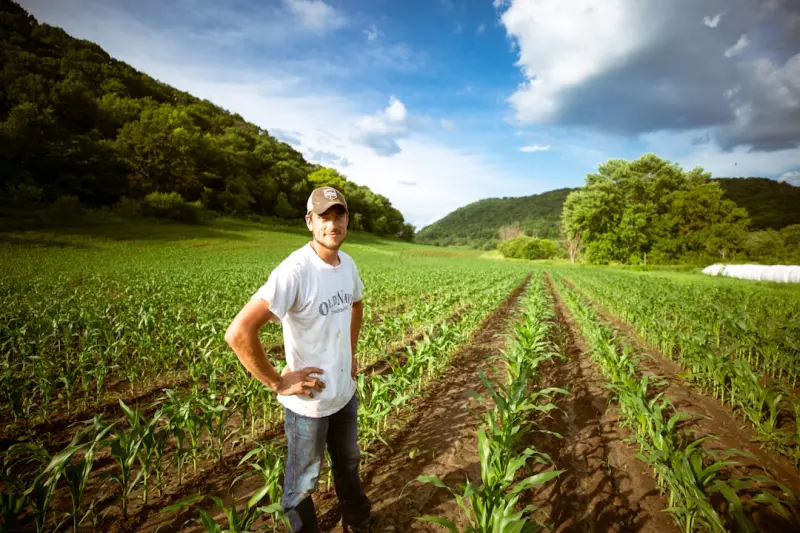
When I first stepped onto my family’s wheat fields, the horizon was defined by rows of golden stalks and the steady rhythm of the wind. Today, those same rows are overlaid with invisible grids of satellite footprints, each pixel whispering clues about moisture, nitrogen levels, and pest pressure. Harnessing this digital layer has transformed my daily routine from a guess‑and‑check operation into a precise science, allowing me to allocate resources where they truly matter and protect the land for the next generation.
It started with a modest subscription to a farm‑focused geospatial platform, offering weekly NDVI (Normalized Difference Vegetation Index) maps that turned the abstract concept of plant health into a colorful heat map. By comparing these visuals with on‑ground observations, I could pinpoint sections of the field that were lagging behind, often before any visual symptoms appeared. This early warning system meant I could intervene with targeted fertilization, saving both money and the environment, and ultimately boosting my yield by a noticeable margin.
But raw data alone isn’t enough; interpretation is where the magic happens. I teamed up with a local university’s agronomy department, turning raw satellite outputs into actionable recommendations. Together, we built a simple decision‑support dashboard that integrates weather forecasts, soil sensor readings, and market price trends. The result is a dynamic tool that tells me, in plain language, when to irrigate, where to apply a micronutrient, and even which crop rotation might maximize profitability for the upcoming season.
Beyond the field, this data revolution is reshaping how we connect with consumers. By translating satellite insights into storytelling, we can offer shoppers a transparent view of how their bread was grown, from seed to shelf. This transparency builds trust and opens new revenue streams, especially when paired with micro‑community marketing tactics that target health‑conscious diners eager for traceable produce.
One unexpected benefit of embracing data is the emergence of farmer‑led renewable energy projects. The same satellite platforms that monitor crop vigor also map wind corridors and solar exposure across our acreage. By overlaying these datasets, I identified sections of the farm ideal for small‑scale wind turbines and solar arrays, turning underutilized land into clean‑energy hubs that feed into the provincial grid and generate supplemental income during off‑peak farming months.
Data also empowers collaborative risk management. In recent years, extreme weather events have become more frequent, threatening both yields and financial stability. By sharing anonymized field data through regional cooperatives, we can collectively negotiate better insurance terms and access government programs tailored to climate‑resilient agriculture. This collaborative approach mirrors the principles of AI‑driven market dialogue, where real‑time information exchange drives smarter decisions across the supply chain.
Integrating technology does not mean abandoning tradition; rather, it honors the generations before us by preserving the land they cultivated. Modern tools help us maintain soil health, reduce chemical runoff, and keep biodiversity thriving—principles that echo the timeless stewardship mindset of our ancestors. Each data point becomes a modern marker of respect for the earth, guiding us toward practices that safeguard both productivity and ecological balance.
Looking ahead, the next frontier lies in open‑source data ecosystems that democratize access to high‑resolution imagery and predictive analytics. As more farmers adopt these tools, we’ll see a collective uplift, where shared insights drive regional innovation and create a resilient, knowledge‑rich farming community. The vision is clear: a network of data‑savvy growers whose combined intelligence fuels a sustainable, profitable future for Canadian agriculture.
In the end, the story is simple—technology is not a replacement for hard work, but a powerful ally that amplifies our connection to the land. By weaving satellite intelligence, collaborative platforms, and transparent storytelling into the fabric of daily farm life, we are cultivating a new harvest—one measured not just in bushels, but in data points that tell a richer, more sustainable story for generations to come.

Related Posts
From Field to Guest: The Agri‑Tourism Boom Transforming Canadian Farms
Canadian farms are shifting from pure production to destination experiences, using agri‑tourism to... Read More
Regenerative Roots: How Canadian Farmers Are Redefining Soil Health and Community Resilience
Canadian farmers are turning to regenerative agriculture to rebuild soil, capture carbon, and create... Read More
Harvesting Power: How Canadian Farmers are Turning Renewable Energy into a Competitive Edge
Canadian farmers are embracing renewable energy—solar panels, wind turbines, and bioenergy—to cu... Read More
Top Posts

The Flavors of Canadian Summer: A Culinary Journey
Canadian summers are a culinary journey like no other. Explore the country's diverse flavors, rich culinary heritage, and breathtaking landscapes. Discover the ...Read More

Preventive Health in the Age of Connectivity: How Data, Devices, and Mindset Are Shaping Wellness
A deep dive into how ubiquitous connectivity, advanced wearables, and AI-driven insights are turning preventive health from a lofty ideal into an everyday reali...Read More
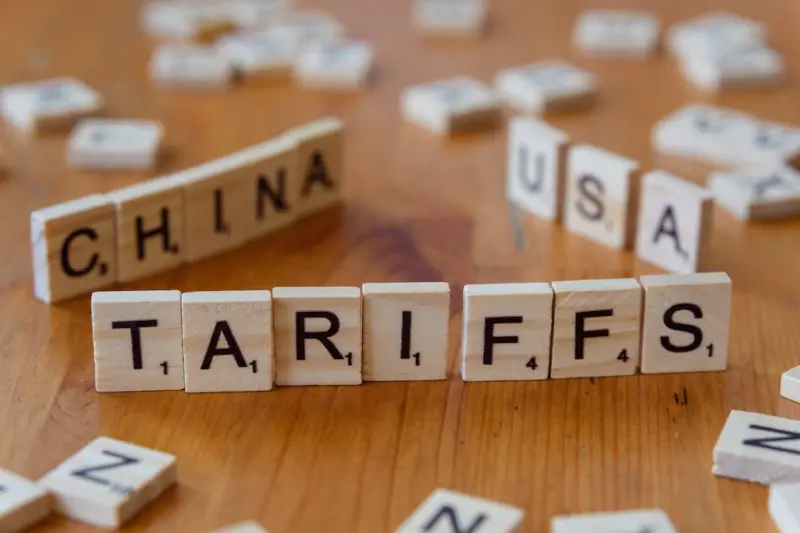
The Hidden Ripple: How Emerging Tariff Policies Are Reshaping SaaS Global Strategies
Tariff reforms are no longer a niche concern for manufacturers—they’re reshaping the SaaS landscape. This article examines the impact on product architectur...Read More

Community‑Driven Climate Resilience Hubs: Canada’s Emerging National Backbone
Discover how community‑run resilience hubs are turning climate challenges into opportunities, boosting local economies, and forging a stronger, more united Ca...Read More
0 Comments
Post Comment
You will need to Login or Register to comment on this post!