
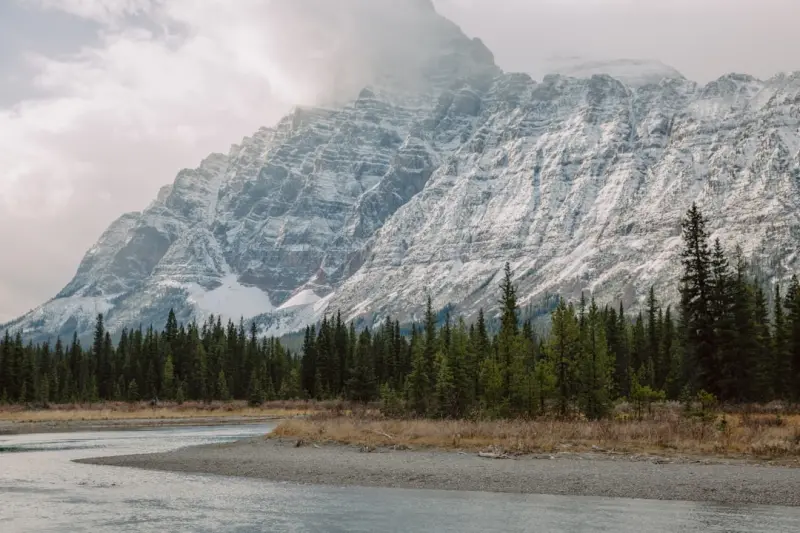
Why Canada’s National Parks Need a Fresh Narrative
When I first laced up my boots for a sunrise trek through the rugged cliffs of the Pacific Rim, I felt a familiar tug of awe mixed with a quiet frustration – the trails were beautiful, yet they whispered of neglect, of stories left untold, and of a stewardship model that hasn’t kept pace with the people who love them. Community‑led stewardship is no longer a nice‑to‑have add‑on; it is becoming the backbone of a resilient park system that can adapt to the pressures of climate change, tourism spikes, and evolving cultural expectations. In this piece I’ll walk you through the emerging renaissance that blends local passion, Indigenous wisdom, and forward‑thinking policy into a tapestry that could redefine what “national park” means for Canadians today.
The Roots of a Conservation Myth
For generations, the narrative around Canada’s protected lands has been framed by a top‑down approach, where federal agencies designated boundaries, hired rangers, and hoped that nature would simply “be.” That model, while instrumental in preserving iconic vistas, often sidelined the very communities whose histories are etched into those landscapes, leaving a gap between preservation and lived experience. As a frequent visitor to both bustling Banff and the quieter, lesser‑known parks of the Atlantic, I’ve observed a growing disconnect: tourists marvel at the scenery but rarely engage with the stories of the people who have tended the land for centuries. This disconnect is beginning to dissolve as grassroots groups step forward, demanding a seat at the table and reminding us that conservation is as much about cultural continuity as it is about wildlife.
Grassroots Momentum: From Trail Clean‑Ups to Policy Advocacy
Across the country, volunteers are swapping single‑use coffee cups for reusable water bottles while organizing weekend trail clean‑ups that double as educational workshops on native flora. In the small town of Nelson, a coalition of outdoor enthusiasts, local businesses, and school students has transformed a neglected side trail into a vibrant learning corridor, complete with interpretive signs that celebrate both ecological and Indigenous narratives. Their success has sparked a ripple effect, inspiring similar initiatives in Nova Scotia’s coastal preserves where fishermen now partner with park officials to monitor eelgrass health. These community‑driven projects are more than feel‑good stories; they generate data, foster stewardship, and, importantly, create a constituency that can lobby for better funding and more inclusive management plans.
Indigenous Partnerships: Honoring Sovereignty and Knowledge
Perhaps the most powerful catalyst for change is the resurgence of Indigenous partnerships that recognize treaty rights and embed traditional ecological knowledge into park governance. In the north, the Tłı̨chǫ Government has negotiated co‑management agreements that grant them authority over fire‑management practices, resulting in healthier boreal forests and reduced wildfire risk. Meanwhile, the Haida Nation’s marine stewardship initiatives have led to the establishment of marine protected zones that blend scientific monitoring with centuries‑old observations of ocean currents and fish migrations. By weaving these perspectives into the fabric of park policy, we are not merely adding a decorative layer of consultation; we are reshaping decision‑making to reflect a holistic understanding of ecosystems that has sustained these lands long before the concept of a “national park” existed.
Policy Shifts: Leveraging Federal Flexibility for Local Impact
The federal government’s recent willingness to experiment with flexible funding models offers a promising avenue for scaling community projects. The “Park Partnerships Fund,” for example, provides seed grants to local NGOs that design innovative conservation programs, ranging from citizen‑science water quality monitoring to youth mentorship in outdoor leadership. In practice, this means a small group in the Algonquin region can secure resources to develop a mobile app that crowdsources wildlife sightings, directly feeding data into Parks Canada’s research databases. Such policy levers are most effective when they echo the sentiments expressed in regional governance experiments, highlighting the importance of aligning national objectives with local realities.
Building Biodiversity Corridors: Linking Parks and Communities
One of the most exciting developments is the strategic creation of biodiversity corridors that stitch together isolated protected areas, allowing species to migrate, adapt, and thrive. In southern Ontario, a coalition of municipalities, conservation authorities, and First Nations is mapping a green corridor that follows historic river pathways, reconnecting fragmented habitats and offering new recreational routes for cyclists and hikers alike. This approach not only bolsters ecological resilience but also stimulates local economies through eco‑tourism and related services. By framing corridors as shared spaces—biodiversity corridors that double as cultural corridors—we invite residents to see themselves as active participants in the health of the natural world.
Economic Ripple Effects: Parks as Engines of Sustainable Growth
The economic argument for community‑centric park management is compelling. When locals take ownership of trail maintenance, interpretive programming, and small‑scale hospitality, the revenue generated stays within the region, supporting family‑run lodges, artisans, and Indigenous craft cooperatives. A recent study of the Gaspé Peninsula showed that parks that embraced community stewardship saw a 15 % increase in off‑season visitation, translating into steadier income streams for surrounding towns. Moreover, these models create employment pathways that blend traditional knowledge with modern conservation science, offering rewarding careers that bridge past and future. The synergy between ecological health and economic vitality underscores why a national park system rooted in local engagement can serve as a blueprint for sustainable development across Canada.
Facing Climate Realities: Adaptive Management in Action
Climate change presents an urgent test for any conservation strategy, and community involvement provides the agility needed to respond swiftly. In the Canadian Rockies, volunteer fire‑watch groups now collaborate with park rangers to implement early‑season prescribed burns, a practice informed by Indigenous fire‑knowledge that reduces fuel loads and protects downstream communities. Similarly, coastal volunteers along the Atlantic shoreline are installing living shorelines—structures that combine natural vegetation with engineered solutions—to buffer against rising sea levels and increased storm intensity. These adaptive measures demonstrate that when locals are equipped with the right tools and authority, they become frontline defenders, turning abstract climate projections into tangible, on‑the‑ground action.
Envisioning the Future: A National Park System for All Canadians
Imagine a Canada where every national park feels like a shared living room—open, welcoming, and reflective of the diverse voices that call the country home. In this vision, park visitors not only admire the scenery but also participate in citizen‑science projects, learn the stories of the land from Indigenous guides, and contribute to the economic fabric of nearby towns through responsible tourism. By integrating the lessons from Canadian farmers' resilience models, we can adopt regenerative practices that nourish both soil and society. Such a system would be resilient, inclusive, and capable of weathering the environmental challenges of the coming decades, ensuring that the legacy of our natural treasures endures for generations to come.
Call to Action: Join the Movement
If you’ve ever felt that spark of wonder on a mountain ridge or heard the whisper of ancient cedar trees, consider channeling that feeling into action. Volunteer with local stewardship groups, support Indigenous-led initiatives, or simply advocate for policy reforms that empower communities at the heart of our parks. Every step, whether it’s picking up a piece of litter or writing to a Member of Parliament about flexible funding, contributes to a larger mosaic of care. Together, we can rewrite the story of Canada’s national parks—from monuments of the past to vibrant, living ecosystems that belong to all Canadians.

Related Posts

When to Call a Plumber Before It Costs You More: A Proactive Guide to Home Plumbing Health
The sudden gush of water from a burst pipe, the nauseating stench of sewage backing up into your bat... Read More

Why a Nationwide Digital Trust Framework Is the Next Business Frontier
A deep dive into the emerging national digital trust framework, its implications for SaaS companies,... Read More
National Information Commons: A Blueprint for Public Innovation
A deep dive into the concept of a national information commons, its benefits for government, busines... Read More
Top Posts

When Parenting Meets Tech: A Parental Warning for the AI Age
Explore the hidden risks of AI-powered toys, generative content, and AR/VR experiences. Learn actionable strategies to protect privacy, foster critical thinking...Read More

Smart Food Pairings: Boosting Nutrient Absorption in Everyday Meals
Learn to pair everyday ingredients for maximum nutrient absorption, using seasonal foods, foraged finds, and home‑grown herbs to turn regular meals into healt...Read More

Deal Stacking: A Data‑Driven Playbook to Slash SaaS Costs
Deal stacking merges usage insights, ecosystem bundling, and benchmark data into a powerful negotiation strategy, helping B2B teams cut SaaS costs by up to 50% ...Read More

Scorching Heatwave Grips Ontario and Quebec: How to Stay Safe During Dangerously High Temperatures
Southern and eastern Ontario, along with southern and western Quebec, are bracing for a prolonged period of dangerously hot weather. Environment Canada issued a...Read More
0 Comments
Post Comment
You will need to Login or Register to comment on this post!