
Harvesting Light: How Canadian Farmers Are Powering Their Future with Renewable Energy
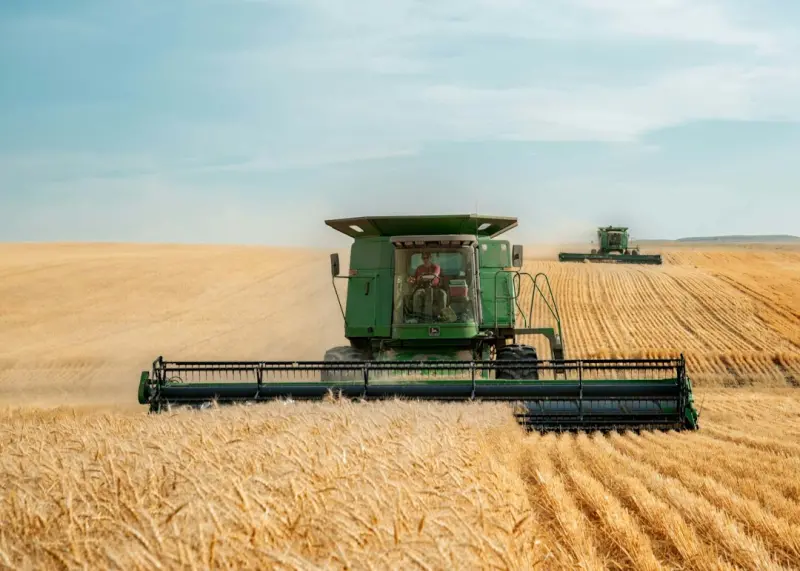
When I first stepped onto my grandparents’ wheat fields in the prairie twilight, the only hum I heard is the distant drone of a combine. Fast‑forward a few decades, and the same horizon is dotted with gleaming solar panels, whisper‑quiet wind turbines, and the occasional plume of biogas rising from a farm‑run digester. The agricultural landscape in Canada is undergoing a quiet, yet profound, energy revolution—one that is reshaping how we grow, sell, and think about food.
Why Renewable Energy Matters to the Modern Farm
Farming has always been a business of margins. A single rainstorm, a spike in fuel prices, or an unexpected pest outbreak can tip the scales. Energy costs are a hidden, often volatile, component of that balance sheet. For many producers, electricity and diesel represent a significant portion of operating expenses—sometimes up to 30 % of total input costs.
Renewable energy offers three core benefits that speak directly to the farmer’s bottom line:
- Cost predictability: Solar and wind installations lock in a fixed price for power, insulating farms from fluctuating utility rates.
- Revenue streams: Excess generation can be sold back to the grid through net‑metering programs, creating a new line of income.
- Resilience: On‑site power reduces reliance on distant transmission lines that are vulnerable to storms, outages, or grid congestion.
Beyond economics, there’s a growing sense of stewardship. Climate‑smart agriculture is no longer a buzzword; it’s a mandate from consumers, retailers, and regulators who demand lower carbon footprints. By generating clean power, farms can shave off tonnes of CO₂, improve their sustainability credentials, and meet the emerging green certification standards that many supply chains now require.
Solar Panels: From Roofs to Open Fields
Solar PV (photovoltaic) technology has become the workhorse of farm‑based renewables. Its modular nature means a farmer can start small—perhaps a 10‑kilowatt array on the barn roof—and scale up to a multi‑megawatt solar farm that powers an entire operation.
Ontario, Alberta, and the Maritimes have all seen a surge in agrivoltaics, where solar panels are deliberately spaced to allow crops to grow beneath them. This dual‑use approach not only maximizes land productivity but also offers ancillary benefits:
- Reduced evapotranspiration, which conserves water in hot, dry periods.
- Shade for livestock, improving animal comfort during heat waves.
- Extended growing seasons for shade‑tolerant crops like leafy greens and herbs.
One pioneering family farm in Saskatchewan installed a 2‑MW agrivoltaic system last year. The panels generate enough electricity to run the farm’s irrigation pumps, greenhouse heating, and grain drying equipment, while the crops underneath—primarily lentils and canola—have shown a modest yield increase thanks to the microclimate created by the panels.
Wind Energy: Capturing Canada’s Natural Breath
Canada’s wind potential is legendary, especially along the Great Lakes and the coastal plains. Small‑scale turbines (30‑250 kW) are now common on farms that have steady wind corridors. Unlike solar, wind can generate power day and night, providing a complementary energy source that smooths out the intermittency of sunlight.
Take a mixed‑crop dairy farm in Nova Scotia. After a feasibility study, they installed three 100‑kW turbines on the north‑facing hill behind the barns. The turbines now supply roughly 60 % of the farm’s electricity, and the dairy’s milk processing line runs entirely on clean power during peak wind hours. The remaining electricity is stored in a battery bank, ready for milking sessions that often start before sunrise.
Biogas: Turning Waste into Power
Animal manure, crop residues, and even food‑processing by‑products can be transformed into biogas through anaerobic digestion. The resulting methane can fuel generators, heat buildings, or be upgraded to renewable natural gas (RNG) for injection into the provincial gas grid.
Biogas projects have a two‑fold advantage: they reduce methane emissions—a potent greenhouse gas—and they provide a renewable fuel source that can replace diesel or propane. A dairy farm in Quebec recently commissioned a 1.2 MW digester that processes 30 000 tons of manure annually. The plant produces enough electricity to power the entire farm and exports surplus power to the local utility. Moreover, the digestate (the leftover material) serves as a high‑quality fertilizer, closing the nutrient loop on the property.
Microgrids and Energy Storage: The Future of Farm Autonomy
Renewable generation is only part of the equation; storage is the missing piece that turns a farm from a net consumer into a net producer. Lithium‑ion batteries, flow batteries, and even pumped‑hydro solutions are being piloted on agricultural sites.
Energy storage enables farms to:
- Shift consumption to off‑peak hours, taking advantage of lower electricity rates.
- Maintain operations during grid outages—a critical factor for climate‑sensitive processes like greenhouse heating.
- Participate in demand‑response programs, earning incentives for reducing load during peak periods.
One innovative project in British Columbia pairs a solar array with a 500 kWh battery system. The farm’s greenhouse uses the stored energy to run LED lighting and climate control during cloudy days, ensuring year‑round production of high‑value tomatoes for local markets.
Financial Pathways: Making the Investment Viable
Transitioning to renewable energy is capital‑intensive, but a suite of financial tools has emerged to lower the barrier:
- Government incentives: Federal and provincial programs offer grants, tax credits, and low‑interest loans for renewable installations. For example, the Canada‑Ontario Energy Innovation program provides up to 30 % cost‑share for solar projects on farms.
- Power Purchase Agreements (PPAs): Some farms partner with third‑party developers who install and operate the equipment, while the farmer agrees to buy the electricity at a fixed rate.
- Community‑owned cooperatives: Groups of neighboring farms pool resources to develop a shared wind or solar farm, distributing costs and benefits proportionally.
These mechanisms have democratized access, allowing small‑scale producers to reap the benefits previously reserved for large agribusinesses.
Learning from Peers: Knowledge Sharing Across the Nation
Renewable energy adoption isn’t happening in a vacuum. Farmers are tapping into a growing network of knowledge bases that collate best practices, case studies, and regulatory updates. Provincial extension services also host workshops and field tours, allowing producers to see successful installations up close.
In fact, the rise of digital platforms has enabled a new wave of peer‑to‑peer mentorship. A farmer in Manitoba, after attending a solar symposium, connected with a peer in New Brunswick who had recently installed a wind‑solar hybrid system. Their collaboration resulted in a joint grant application that secured $500 k in funding for both projects.
The Bigger Picture: Renewable Energy and Rural Revitalization
Beyond the farm gate, renewable energy projects are breathing new life into rural economies. Construction and maintenance jobs, increased tax revenues, and improved infrastructure (such as upgraded transmission lines) create a virtuous cycle of investment.
Moreover, farms that generate clean power often become local “energy hubs.” Schools, community centers, and even small municipalities negotiate to purchase excess electricity, fostering regional energy independence. This collaborative model aligns with Canada’s broader climate goals while reinforcing the social fabric of rural communities.
Challenges on the Horizon
While the outlook is bright, farmers face hurdles that require collective action:
- Regulatory complexity: Navigating permitting processes for wind turbines or solar farms can be cumbersome, especially in jurisdictions with strict land‑use bylaws.
- Grid integration: In some remote areas, the existing grid may lack the capacity to absorb large volumes of distributed generation, necessitating upgrades.
- Financing gaps: Not all financial institutions are familiar with agricultural renewable projects, leading to longer approval times or higher interest rates.
Addressing these challenges will require coordinated advocacy, streamlined policies, and continued education. Organizations such as the Canadian Farm Energy Alliance are already lobbying for clearer guidelines and incentives.
Looking Ahead: A Sustainable Legacy
When I stand in my family’s fields at sunset, the silhouettes of turbines against the amber sky feel like a promise—one that the next generation will inherit a farm that not only feeds people but also powers the future.
Renewable energy isn’t just a technology upgrade; it’s a cultural shift. It redefines the farmer’s role from sole producer of food to steward of a holistic, low‑carbon ecosystem. By embracing solar, wind, biogas, and storage, Canadian farmers are planting seeds of resilience that will grow for decades to come.
For those curious about the storytelling side of this transition, you might enjoy reading how Canadian farmers use storytelling to grow brands. And if you’re interested in how agrivoltaics are reshaping urban agriculture, check out Rooftop Revival: How Sky‑High Gardens Are Rewriting Canadian Urban Life.

Related Posts
Solar Harvest: How Canadian Farms Are Powering the Future
Canadian farms are embracing solar power to cut costs, enhance resilience, and lead in sustainabilit... Read More
From Soil to Software: How Canadian Farmers Are Turning Climate Chaos into a Competitive Edge
Canadian farmers are reshaping the industry with regenerative agriculture, farmer‑owned data coope... Read More

Low‑Band Leap: Canadian Family Farms Gain Connectivity Edge
A deep dive into how low‑band satellite internet is empowering Canadian family farms, unlocking re... Read More
Top Posts

The Unseen Struggles of Rural Mental Health in Canada
The unseen struggles of rural mental health in Canada are a critical issue that requires our attention and action. Learn more about the challenges facing rural ...Read More

Best Lavender Fields in Ontario
When summer rolls around, Ontario transforms into a floral wonderland, and nothing epitomizes this seasonal beauty quite like lavender fields. The enchanting si...Read More

Streaming Canada’s Classics: How Old TV Finds New Fans
A deep dive into how streaming platforms revive beloved Canadian TV classics, bridging generations and reshaping the nation’s entertainment landscape....Read More

Quiet Corners: The Future of Restaurant Design
Discover why creating quiet, intimate dining zones is the next big trend in restaurants, enhancing flavor perception, guest loyalty, and overall revenue through...Read More
0 Comments
Post Comment
You will need to Login or Register to comment on this post!