
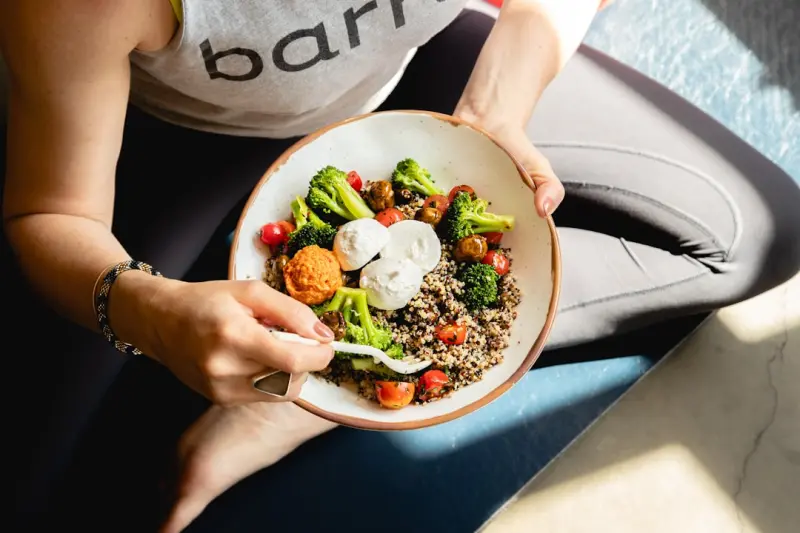
Imagine walking into your kitchen and treating every ingredient like a teammate in a well‑orchestrated sports lineup. That’s the mindset I bring to the table each morning, and it’s reshaped how I think about healthy foods. Rather than counting calories or obsessing over “super‑foods” in isolation, I focus on the chemistry that happens when flavors meet. When the right foods combine, they unlock hidden vitamins, minerals, and antioxidants that would otherwise sit dormant in your gut. This isn’t a fad; it’s a science‑backed strategy that turns everyday meals into nutrient powerhouses, all while keeping the palate thrilled and the grocery bill sane.
Why Pairing Matters: The Science Behind Synergy
At the heart of food pairing is the principle of nutrient synergy, where one component enhances the absorption of another. Take iron, for instance: plant‑based iron (non‑heme) is notoriously fickle, but a squeeze of lemon juice—rich in vitamin C—converts it into a form your body readily grabs. Similarly, the fat‑soluble vitamins A, D, E, and K need a modest dose of healthy fat to slip through intestinal walls; a drizzle of olive oil over roasted carrots does the trick. Even the humble tomato’s lycopene, a potent antioxidant, becomes more bioavailable when paired with a little fat, such as the buttery richness of avocado. These pairings aren’t accidental—they’re rooted in how our bodies process compounds, and understanding them lets you engineer meals that do more than just fill you up.
Kitchen Combos That Transform Nutrition
Let’s translate theory into practice with three go‑to combos that have become staples in my own cooking routine. First, spinach and citrus: a bright orange segment of grapefruit tossed with a handful of fresh spinach not only dazzles the eyes but also boosts iron uptake thanks to the vitamin C punch. Second, salmon paired with avocado: the omega‑3 fatty acids in salmon are already champions of heart health, but when you add creamy avocado, you amplify the absorption of the fat‑soluble vitamin D that salmon provides. Third, beans and tomatoes: the protein and fiber in beans are excellent, yet the lycopene in tomatoes becomes more accessible when simmered together, turning a simple chili into a nutrient‑dense powerhouse. These pairings are simple, delicious, and can be swapped in and out of countless dishes, turning ordinary pantry items into elite health allies.
Seasonal Synergy and Forest Finds
Seasonality adds another layer to the pairing puzzle, especially when you venture beyond the supermarket aisle. Wild, foraged foods like pine nuts, nettles, or chickweed often contain concentrated micronutrients that mainstream produce lacks. When you combine these forest gems with familiar staples, the result is a symphony of flavors and health benefits. For example, sprinkling toasted pine nuts over a beet salad not only adds a buttery crunch but also supplies pinolenic acid, which may aid appetite control. Pairing nettle‑infused broth with a splash of lemon elevates iron absorption from the greens, echoing the iron‑vitamin C dance we discussed earlier. To explore these ideas further, check out my deep dive on forest superfoods and learn how to responsibly source and integrate them into everyday meals.
Herb‑Boosted Bioavailability at Home
Even the tiniest addition—fresh herbs—can tip the scale toward better nutrient uptake. Basil, cilantro, and parsley are loaded with polyphenols and essential oils that support digestion, helping your gut absorb the vitamins in the main dish more efficiently. A quick chop of rosemary into roasted sweet potatoes, for instance, releases carnosic acid, an antioxidant that works synergistically with the beta‑carotene in the potatoes, enhancing its conversion to vitamin A. Growing these herbs at home not only guarantees freshness but also reduces waste and costs. If you’ve ever dreamed of turning a balcony or windowsill into a miniature herb garden, my guide on home herb gardening offers step‑by‑step tips to get you started, no green thumb required.
Budget‑Friendly Pairing Strategies
Healthy eating often gets mislabeled as expensive, but strategic pairing can stretch your dollar while boosting nutrition. Bulk staples like brown rice, lentils, and frozen peas become more nutrient‑dense when you pair them with seasonal produce that’s on sale—think a splash of frozen mango on a lentil curry to add vitamin C, or a handful of frozen kale stirred into a rice pilaf for extra calcium and iron. Canned tomatoes, a pantry workhorse, are perfect for enhancing the bioavailability of the iron in beans or the lycopene in ground turkey. By planning meals around these complementary combos, you eliminate the need for pricey supplements and still achieve a balanced nutrient profile.
Common Pitfalls and How to Avoid Them
Even the most diligent eater can stumble into nutrient‑blocking habits without realizing it. One frequent error is separating foods that need each other for optimal absorption—think sipping orange juice far from a bean dish, or adding a high‑fiber salad after a calcium‑rich meal, which can bind calcium and limit uptake. Another trap is over‑cooking vegetables, which can degrade heat‑sensitive vitamins like vitamin C and folate, negating the benefits of a well‑paired dish. To sidestep these issues, aim to serve complementary foods together on the same plate and use cooking methods that preserve nutrients, such as steaming or quick sautéing. A mindful approach ensures you’re not just eating healthy foods, but also maximizing their hidden potential.
Putting It All Together: Your Personalized Pairing Playbook
Start by auditing your favorite meals and identifying where a simple addition could unlock extra nutrition. Does your morning oatmeal lack a boost? Toss in a handful of blueberries and a drizzle of almond butter for antioxidants and healthy fats. Lunch a salad with quinoa? Sprinkle in some orange segments and a sprinkle of pumpkin seeds to marry iron and vitamin C. Dinner a stir‑fry? Finish with fresh cilantro and a squeeze of lime for a digestion‑friendly herb combo. Keep a small notebook or digital list of these pairings, experiment weekly, and notice how your energy levels, digestion, and even flavor satisfaction improve. The beauty of this approach is its flexibility—there’s no one‑size‑fits‑all, just a personalized playbook that evolves with your tastes and lifestyle.

Related Posts
Unlocking Food Synergy: How Smart Ingredient Pairings Supercharge Your Health
Explore how strategic food pairings enhance nutrient absorption, improve immunity, and boost energy.... Read More
Seasonal Superfood Swaps for Everyday Nutrition
Learn practical, seasonal superfood swaps that transform ordinary meals into nutrient‑rich power f... Read More

The Hidden Power of Food Pairing: Boosting Nutrition One Plate at a Time
Learn how pairing the right foods—like vitamin C with iron‑rich greens or healthy fats with fa... Read More
Top Posts

Canada’s Digital Direct Democracy: Citizens Shaping Policy in Real Time
Digital direct democracy platforms are empowering Canadians to draft, debate, and vote on policies online, bridging the gap between voters and lawmakers and ush...Read More

The Alarming Rise of Rural Health Disparities: A Call to Action
Rural America faces significant health disparities. Learn more about the root causes and what you can do to help address this growing concern....Read More

Nature‑Infused Breathwork: Rewiring Your Body’s Stress Response
Explore a fresh health practice that combines mindful breathing with nature’s healing power, offering a portable tool to reduce stress and enhance well‑bein...Read More

The Experimentation Mindset: How SaaS Leaders Turn Uncertainty into Competitive Edge
A deep dive into why modern SaaS companies should embed experimentation into every function, turning risk into data and uncertainty into a strategic advantage....Read More
0 Comments
Post Comment
You will need to Login or Register to comment on this post!