
Why the Seasons Matter More Than You Think
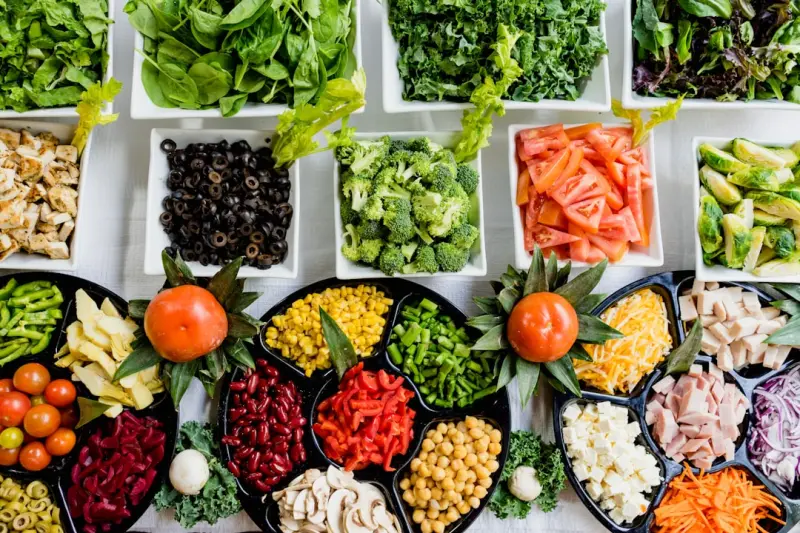
When I first stepped into my grandmother’s garden at the height of summer, the air was thick with the scent of ripe tomatoes and the hum of bees, a sensory reminder that our bodies are tuned to the planet’s natural cycles; this lived experience sparked my lifelong curiosity about how the timing of what we eat can influence everything from energy levels to emotional balance. Modern convenience stores, with their year‑round aisles of imported produce, have subtly disconnected us from that rhythm, creating a silent mismatch between our internal clocks and the foods we consume. Research now shows that aligning meals with the seasonal availability of nutrient‑dense foods not only maximizes flavor but also enhances absorption of vitamins, minerals, and phytonutrients that are at their peak during their natural harvest. In short, eating in sync with the seasons is a simple yet profound strategy for boosting health without the need for complex diets or pricey supplements.
The Science Behind Seasonal Nutrient Peaks
Plants are living organisms that respond to daylight, temperature, and soil conditions, resulting in distinct phytochemical profiles that fluctuate throughout the year; for instance, carrots harvested in winter develop higher levels of carotenoids as a protective response to colder temperatures, while spring berries burst with anthocyanins to shield against UV exposure. These biochemical shifts mean that a fruit or vegetable consumed at its seasonal peak delivers a more potent cocktail of antioxidants, fiber, and essential micronutrients, which can directly support gut flora, reduce oxidative stress, and even modulate neurotransmitter pathways linked to mood. A landmark study published in the Journal of Nutrition demonstrated that participants who ate seasonally experienced a measurable improvement in blood antioxidant capacity and reported lower instances of seasonal affective symptoms, underscoring the tangible link between nature’s calendar and our well‑being. Embracing this knowledge empowers us to make food choices that are both scientifically sound and deeply satisfying.
Building a Seasonal Pantry: Practical Tips
Transitioning to a seasonal approach doesn’t require a complete kitchen overhaul; start by visiting local farmer’s markets, where you’ll find produce that’s been harvested within days, and notice the vibrant colors and firm textures that signal freshness and nutrient density. Next, consider a modest batch‑freezing routine: select a bounty of summer zucchini, peppers, and berries, blanch them briefly, and store in airtight containers to preserve their peak nutrition for the off‑season, ensuring you always have a stash of nature’s best on hand. Finally, supplement your fresh finds with pantry staples like dried legumes, whole grains, and nuts, which remain stable year‑round and can be paired creatively with seasonal vegetables to round out meals; this balanced strategy lets you enjoy variety while staying rooted in the rhythms of the earth. For inspiration on how small changes can lead to big health wins, explore tiny habits for health that fit seamlessly into a busy lifestyle.
Winter Wonders: Root Veggies and Hearty Greens
When temperatures dip, the soil encourages certain crops to store energy, resulting in root vegetables like parsnips, beets, and turnips that are rich in complex carbohydrates, potassium, and beta‑carotene, making them ideal for sustaining energy during cold days while supporting cardiovascular health. Leafy greens such as kale, collard greens, and Swiss chard thrive in cooler climates, amassing higher concentrations of vitamin K, calcium, and glucosinolates, compounds known for their anti‑inflammatory and detoxifying properties; incorporating these greens into stews, sautés, or simple salads can dramatically improve bone density and support hormone balance. Additionally, winter fruits like citrus and pomegranates deliver a burst of vitamin C and polyphenols, bolstering immune function precisely when we need it most. By focusing meals around these winter powerhouses, you not only honor the season’s bounty but also give your body a robust nutritional foundation to weather the chill.
Spring Awakening: Fresh Herbs and Light Greens
Spring ushers in a resurgence of tender greens—such as arugula, baby spinach, and watercress—that are packed with folate, iron, and chlorophyll, nutrients essential for revitalizing blood health and promoting detoxification after the slower winter months; their delicate textures and peppery flavors lend themselves beautifully to spring salads, smoothies, and quick stir‑fries. This season also celebrates the emergence of aromatic herbs like mint, dill, and basil, which not only elevate dishes with fragrance but also provide essential oils that aid digestion, reduce inflammation, and support mental clarity; a simple garnish of fresh basil on a summer soup can transform it into a mood‑lifting experience. Moreover, early spring vegetables like asparagus and peas are high in vitamin E and fiber, contributing to skin health and stable blood sugar levels. Embracing these vibrant ingredients aligns your meals with nature’s renewal, fostering a sense of vitality that echoes the blooming world outside.
Summer Abundance: Colorful Fruits and Hydrating Veggies
Summer’s generous sunlight fuels the production of lycopene, lutein, and vitamin A in tomatoes, bell peppers, and carrots, turning these vegetables into natural eye‑protectors and skin‑nourishers that help combat oxidative damage caused by UV exposure; grilling or lightly roasting them amplifies their flavor while preserving their nutrient profile. Water‑rich foods such as cucumbers, watermelon, and zucchini become essential allies in maintaining hydration, delivering electrolytes and antioxidants that support kidney function and reduce inflammation during hot weather. The season’s bounty of berries—strawberries, blueberries, and raspberries—offers an impressive array of anthocyanins, which have been linked to improved memory, reduced risk of chronic disease, and a positive impact on gut microbiota diversity. By centering your summer menu around these colorful, nutrient‑dense foods, you not only relish the peak taste of each ingredient but also give your body a powerful arsenal to stay cool, energized, and resilient.
Autumn Harvest: Nuts, Squash, and Earthy Flavors
As the days grow shorter, plants shift their energy toward storing nutrients, resulting in autumn’s hallmark foods—pumpkin, butternut squash, and sweet potatoes—each packed with beta‑carotene, dietary fiber, and complex carbs that provide sustained energy and support digestive health; roasting these vegetables with a drizzle of olive oil and a pinch of sage creates a comforting dish that also stabilizes blood sugar. This season also marks the arrival of a variety of nuts and seeds, such as walnuts, pecans, and pumpkin seeds, which deliver healthy omega‑3 fatty acids, magnesium, and antioxidants essential for heart health and mood regulation. Additionally, apples and pears, rich in quercetin and pectin, aid in reducing inflammation and promoting satiety, making them perfect for snack or dessert options that satisfy cravings without excess sugar. By weaving these autumnal staples into your weekly menu, you harness the earth’s stored energy, supporting immunity and preparing your body for the cooler months ahead.
Sustainability Synergy: Reducing Waste While Eating Seasonally
Choosing seasonal produce naturally reduces the carbon footprint associated with long‑distance transportation, refrigeration, and artificial ripening, meaning each bite you take contributes to a healthier planet; moreover, seasonal eating encourages the utilization of whole foods, such as skins, stems, and leaves, which are often discarded but are rich in fiber and micronutrients, turning potential waste into culinary gold. Practices like composting vegetable scraps or creating homemade vegetable stock from leftover ends further close the loop, returning nutrients to the soil and fostering a regenerative cycle that mirrors the principles highlighted in regenerative farming movements across the country. By integrating these mindful habits, you not only nourish your body with peak‑season nutrition but also play an active role in preserving the ecosystems that provide these gifts, creating a virtuous circle of health and sustainability.
Putting It All Together: A Sample Seasonal Meal Plan
To illustrate how easy it can be to eat with the seasons, imagine a week that begins with a spring breakfast of spinach‑mint smoothies topped with fresh strawberries, followed by a midday salad of arugula, radishes, and citrus segments drizzled with olive oil and lemon; lunch could feature a quinoa bowl loaded with roasted asparagus, peas, and a sprinkle of toasted pumpkin seeds for crunch. Dinner options might rotate from a hearty winter stew of root vegetables and kale, to a summer grill of marinated salmon paired with grilled zucchini and a side of watermelon salad, and finally an autumn roast of butternut squash, apples, and walnuts, seasoned with rosemary. By planning meals around what’s at its peak each season, you naturally diversify your nutrient intake, keep your palate excited, and simplify grocery shopping—proving that seasonal eating is not a restriction but a celebration of nature’s ever‑changing bounty.

Related Posts

Colorful Bowl Culture: Reinventing Office Snacks for Energy and Focus
A fresh take on office nutrition, this article shows how colorful, whole‑food bowls can replace su... Read More
The Secret Ingredients to a Healthier, Happier You
From farm‑to‑fork wisdom to snack hacks, I share my personal playbook for turning everyday meals... Read More

Microgreens: The Fast‑Track Superfood for Busy Lives
Microgreens, harvested just days after sprouting, offer a concentrated source of vitamins, antioxida... Read More
Top Posts
Fermentation at Your Desk: Simple Gut‑Friendly Foods for Busy Professionals
Learn how easy, desk‑friendly fermentation can enhance digestion, energy, and focus with simple recipes and practical tips for busy professionals....Read More

Beyond Taste: How Sensory Storytelling is Redefining the Restaurant Experience
A deep dive into the rise of sensory storytelling in restaurants, showing how chefs blend sound, lighting, texture, and sustainability to craft unforgettable, m...Read More

Conversational Commerce: Turning Chat Into Revenue
Discover how integrating real-time messaging into your marketing strategy creates a humanized buying experience, accelerates conversions, and unlocks new revenu...Read More

When Algorithms Write the Law: Navigating Generative AI’s Legal Minefields
Generative AI can draft contracts and predict outcomes, but it also introduces complex liability, ethical, and compliance issues. This article unpacks those cha...Read More
0 Comments
Post Comment
You will need to Login or Register to comment on this post!