
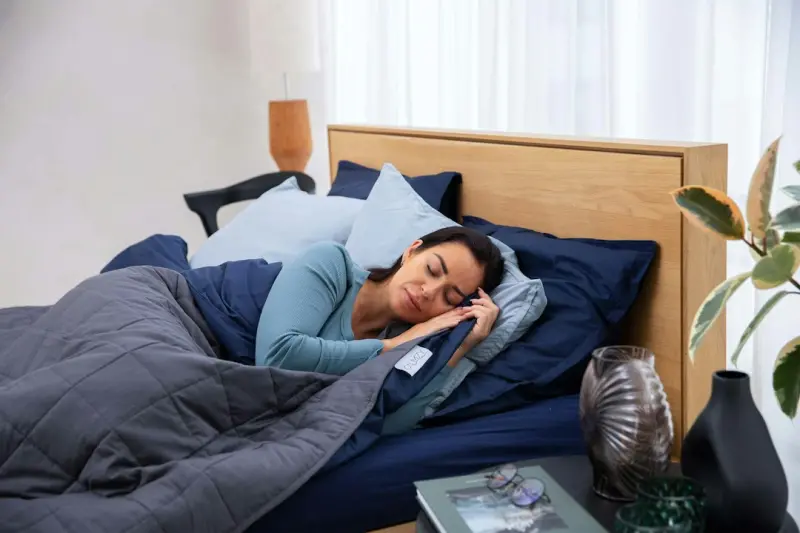
Why Your Mattress Is the Quietest Data Scientist in the Room
Imagine slipping under the covers after a long day, and instead of just dreaming, your bed is quietly crunching numbers about your heart rate, breathing rhythm, and even stress levels. That’s not sci‑fi— it’s the reality of today’s sleep tech. From pressure‑sensing pads to AI‑driven smart pillows, the devices we once thought of as luxury gadgets are becoming the first line of health monitoring that can spot problems before they surface. In this piece, I’ll walk you through the hidden ecosystem of sleep data, how it’s reshaping wellness strategies, and what you can do right now to turn a night of rest into a proactive health plan.
The Evolution from Mattress to Monitoring Hub
A decade ago, a “smart” mattress was a novelty—a Bluetooth speaker embedded in a foam slab. Today, manufacturers embed millimeter‑scale sensors that capture micro‑movements, temperature fluctuations, and even the subtle tremor of a snore. These data points are fed into cloud‑based algorithms that can differentiate between deep, REM, and light sleep stages with an accuracy that rivals clinical polysomnography. The shift isn’t just about comfort; it’s about creating a continuous health record that updates every night, giving you—and your healthcare provider—a longitudinal view of your physiological baseline.
Sleep Data as a Predictive Health Tool
Sleep isn’t a standalone pillar of health; it’s the glue that binds mental acuity, metabolic balance, and immune resilience. Researchers have shown that deviations in sleep architecture can precede conditions like hypertension, depression, and even early‑stage neurodegeneration. By feeding nightly data into predictive models, AI can flag when your REM proportion is dropping or when heart‑rate variability (HRV) is consistently low—both early warning signs of stress overload or cardiac strain. In other words, your mattress can tell you when it’s time to schedule a check‑up, before you feel any symptoms.
From Data Points to Actionable Insights
Raw numbers are useless without context. That’s where the next generation of platforms steps in. They pair your sleep metrics with lifestyle inputs—diet, exercise, caffeine intake—creating a personalized health dashboard. You might see a correlation between late‑night coffee and fragmented sleep, or discover that a new yoga routine has nudged your deep‑sleep percentage up by three points. The beauty of this feedback loop is its immediacy: you can adjust your habits tonight and see the impact in tomorrow’s report.
Privacy, Security, and the Ethics of Night‑Time Surveillance
With great data comes great responsibility. Sleep devices transmit sensitive biometric data over Wi‑Fi, raising legitimate concerns about who can access that information. Reputable brands now employ end‑to‑end encryption and give users granular control over data sharing. As a consumer, demand transparency: know exactly where your data lives, who can see it, and whether it’s used for research or sold to third parties. In the same way we’re wary of smart school locks turning into surveillance tools, we must hold sleep tech to the same standard.
The Workplace Implications: From Fatigue to Peak Performance
Corporations are catching on. A growing number of forward‑thinking employers are offering sleep‑tracking subscriptions as part of wellness packages, recognizing that rested employees make better decisions, innovate faster, and experience fewer accidents. By aggregating anonymized sleep data, HR teams can identify systemic issues—like late‑night email culture—that erode sleep health across the organization. The result? Targeted interventions such as “no‑meeting‑mornings” or flexible start times that boost overall productivity without sacrificing employee well‑being.
Integrating Sleep Tech with Existing Health Ecosystems
The real power of sleep tech emerges when it talks to other health tools. Imagine your wearable fitness tracker feeding step counts into the same platform that analyzes your nightly HRV. Suddenly, you can see how a weekend hike improves your deep‑sleep duration, or how a stressful client call compresses REM cycles. This convergence is already happening in integrated health ecosystems that pull data from home-made probiotics experiments, nutrition apps, and even telemedicine portals, creating a holistic picture of your health.
Case Study: How a Small Business Owner Cut Burnout in Half
Take Maya, a boutique graphic designer who struggled with chronic fatigue despite “getting enough” sleep. After installing a smart mattress, she discovered that her breathing paused for several seconds each night—a hallmark of sleep‑apnea. Armed with this insight, Maya consulted a sleep specialist, received a CPAP device, and within weeks reported a 50% reduction in daytime burnout. Her story illustrates how passive data collection can uncover hidden health issues that even the most diligent self‑reporters miss.
Beyond the Bedroom: Sleep Tech’s Role in Community Health
Public health initiatives are beginning to leverage aggregated sleep data to map regional wellness trends. By partnering with local health departments, companies can identify neighborhoods where sleep deprivation spikes, often correlating with noise pollution, shift work, or socioeconomic stressors. This macro‑level insight drives policy interventions—from noise‑reduction ordinances to community education programs—mirroring the way mobile health clinics bring care to remote areas.
Practical Tips to Maximize Your Sleep Tech Investment
- Start simple. Begin with a single device—like a pressure‑sensing pad—before layering multiple gadgets.
- Calibrate your baseline. Give the system at least two weeks to learn your natural patterns before interpreting deviations.
- Sync with other health apps. The richer the data ecosystem, the more precise the insights.
- Set privacy safeguards. Review permissions regularly and opt‑out of data sharing you’re uncomfortable with.
- Act on the data. Use trends to tweak bedtime routines, diet, or stress‑management practices rather than obsessing over nightly fluctuations.
The Future: AI‑Powered Sleep Coaching
What’s on the horizon? AI coaches that not only interpret data but prescribe personalized interventions—like adjusting room temperature, suggesting a specific wind‑down playlist, or recommending a short nap at the optimal circadian window. Some prototypes already experiment with dynamic mattress firmness that adjusts in real time to support spinal alignment. As these technologies mature, the line between passive monitoring and active therapeutic assistance will blur, making your bed a true partner in health.
Conclusion: Embrace the Quiet Revolution in Your Bedroom
Sleep has always been the most intimate, yet most overlooked, health habit. By welcoming smart sleep technology into your nightly routine, you transform a passive activity into a proactive health strategy. The data you generate can illuminate hidden risks, inform workplace wellness, and even guide community health policies. The key is to stay informed, protect your privacy, and, most importantly, act on the insights you receive. When your mattress becomes a data scientist, you finally have the evidence you need to sleep smarter, live better, and perform at your peak.

Related Posts

Ambient Wellness: Designing Health‑Boosting Spaces for Everyday Life
Ambient wellness turns everyday environments into silent health boosters. Discover how light, sound,... Read More

Preventive Health in the Age of Connectivity: How Data, Devices, and Mindset Are Shaping Wellness
A deep dive into how ubiquitous connectivity, advanced wearables, and AI-driven insights are turning... Read More

When Screens Sabotage Sleep: A New Blueprint for Digital Wellness
Constant connectivity is eroding our sleep and well‑being. This article uncovers the science behin... Read More
Top Posts

Ontario Ice Fishing Festivals: Community, Cuisine, and Cold‑Weather Adventure
Explore the vibrant world of Ontario’s ice fishing festivals, where anglers, chefs, musicians, and families gather on frozen lakes for unforgettable winter ad...Read More

Parental Warning: The Psychological Tug‑of‑War Behind Free‑to‑Play Kids Games
Free‑to‑play games appear harmless, but they employ subtle psychological tricks and data collection to drive micro‑transactions from children. This articl...Read More

The Secret Sauce of Smart Deal‑Hunting: How B2B Teams Can Save Without Sacrificing Growth
A practical guide showing how B2B organizations can turn deal‑hunting into a growth lever by auditing spend, leveraging tiered discounts, using referral credi...Read More

Spice Alchemy: Crafting Your Own Flavor Vault at Home
Learn the art of homemade spice blends: from pantry audits to toast‑and‑grind techniques, seasonal swaps, and zero‑waste tips that transform everyday cook...Read More
0 Comments
Post Comment
You will need to Login or Register to comment on this post!