
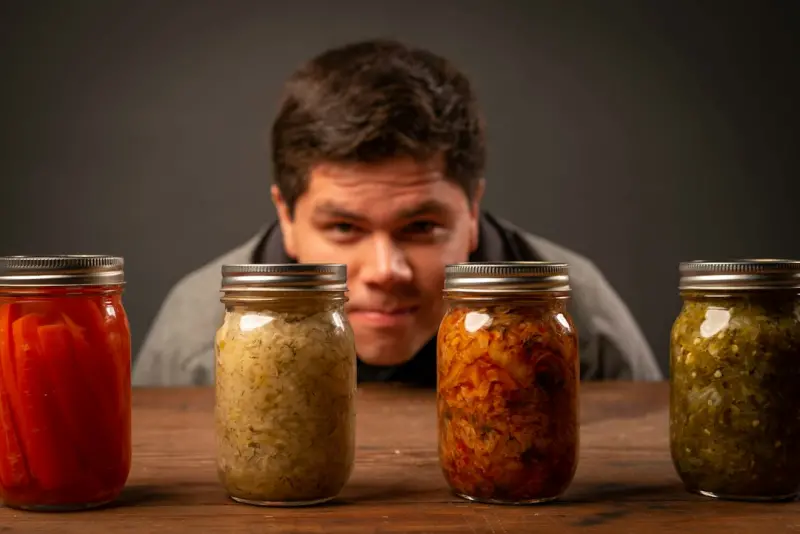
When I first watched my grandmother coax a sourdough starter back to life after a two‑week vacation, I thought it was just a charming kitchen ritual. Fast forward to today, and that humble act has morphed into a full‑blown cultural movement that’s reshaping how we think about flavor, health, and even the planet. From kombucha on tap at hip cafés to kimchi jars lining urban balcony railings, fermentation is no longer a niche hobby—it’s a mainstream fever that’s turning ordinary kitchens into miniature biotech labs.
The Science Behind the Buzz
At its core, fermentation is a partnership between humans and microorganisms. Yeasts, bacteria, and molds consume sugars and release acids, gases, and aromatic compounds that transform raw ingredients into tangy, complex, and often probiotic‑rich foods. While the science is ancient—think lactic acid bacteria that have been preserving vegetables for millennia—the modern fascination stems from a confluence of three trends: heightened interest in gut health, a desire for sustainable food practices, and the democratization of knowledge through online communities.
Gut Health Meets Gourmet
The gut microbiome has vaulted from obscurity to headline news, with researchers linking a diverse microbial community to everything from mental clarity to immune resilience. Home‑made fermented foods act as a direct pipeline of live cultures, offering a more potent and varied probiotic boost than most store‑bought supplements. The result? A kitchen becomes a wellness hub where a daily sip of kombucha or a spoonful of sauerkraut can complement a balanced diet without the need for pills.
Sustainability on the Shelf
Fermentation also dovetails neatly with the zero‑waste ethos that’s sweeping culinary circles. By extending shelf life naturally, we slash the need for refrigeration and reduce food waste—an especially powerful tool in an era where circular manufacturing principles are infiltrating every sector, from packaging to production. When you turn an overripe batch of carrots into a tangy kimchi, you’re not just creating a delicious side dish; you’re closing the loop on food waste.
From Farm to Ferment: The Role of Data‑Driven Agriculture
Even the sourcing of raw ingredients is being transformed. Innovative growers across the Canadian Prairies are leveraging data‑driven farming techniques to produce heirloom grains and organic vegetables with superior nutrient profiles—ideal for fermentation. By fine‑tuning soil health and moisture levels, they ensure that the carrots destined for your kimchi are as crisp and flavorful as possible, creating a seamless farm‑to‑ferment pipeline that honors both taste and terroir.
Starter Cultures: The Secret Sauce
Every fermentation journey begins with a starter culture—a community of microorganisms that kickstarts the process. While you can purchase commercial starters, many enthusiasts opt for “wild” starters harvested from the environment. This approach not only yields unique flavor profiles but also encourages biodiversity. For beginners, a simple sourdough starter can be cultivated with just flour, water, and patience. For the adventurous, capturing a kombucha SCOBY from a friend's brew or curating a spontaneous fermentation from fresh cabbage are thrilling ways to explore microbial terroir.
Flavor Experiments That Wow
Once you’ve mastered the basics, the real fun begins: flavor layering. Fermented foods are incredibly adaptable canvases. Add citrus zest to kimchi for a bright twist, infuse kombucha with herbs like rosemary or hibiscus for a floral note, or blend miso with roasted garlic for an umami‑rich glaze. The acidic backbone of fermentation amplifies other ingredients, making even modest additions feel luxurious. And because fermentation is a living process, each batch offers subtle variations—no two jars are ever exactly alike.
Community and the New Social Kitchen
Fermentation isn’t just a solitary pursuit; it’s a communal experience. Online forums, local meet‑ups, and “ferment swaps” have sprung up worldwide, allowing hobbyists to trade starters, share recipes, and troubleshoot issues in real time. This collaborative spirit mirrors the broader shift toward participatory food cultures, where knowledge is crowd‑sourced and culinary boundaries are constantly pushed. The result is a vibrant ecosystem where newcomers feel welcomed, and veterans continuously learn from fresh perspectives.
Economic Benefits for the Home Cook
Beyond health and sustainability, fermenting at home can be a savvy financial move. A single jar of homemade sauerkraut can outlast a comparable store‑bought version by months, delivering a steady supply of nutrient‑dense side dishes at a fraction of the cost. Moreover, the ingredients—cabbage, carrots, garlic—are typically inexpensive, and the only significant investment is time. For budget‑conscious households, fermentation offers a low‑cost avenue to enhance meals without sacrificing flavor or nutrition.
Fermentation in the Commercial Sphere
While our focus is the home kitchen, the ripple effects of this trend are evident in restaurants and retail. Chefs are incorporating house‑fermented condiments to elevate dishes, and grocery aisles now boast an ever‑growing selection of ready‑to‑drink kombucha, kefir, and fermented sauces. This commercial uptake validates the consumer demand for probiotic‑rich, flavorful options and reinforces the feedback loop between home experimentation and market offerings.
Future Trends: AI, Sensors, and Beyond
Looking ahead, technology will continue to intersect with fermentation, but in ways that respect the artisanal spirit. Low‑cost sensors can monitor pH and temperature, sending alerts to smartphones when a batch reaches peak flavor. Meanwhile, AI-driven recipe generators can suggest novel ingredient pairings based on flavor chemistry databases. These tools empower home fermenters to experiment with confidence, ensuring that the art remains accessible while embracing innovation.
Getting Started: A Simple Three‑Step Guide
- Choose Your Base: Begin with a familiar ingredient—cabbage for kimchi, milk for yogurt, or flour for sourdough.
- Introduce the Culture: Use a commercial starter, a friend’s SCOBY, or rely on wild fermentation by allowing the environment to inoculate the mixture.
- Control the Conditions: Keep your ferment at a stable temperature (typically 65–75°F) and monitor for signs of activity—bubbles, aroma development, or surface films.
Patience is the final ingredient. Most ferments mature within a week to a month, but the true magic lies in tasting and adjusting as the flavors evolve.
Conclusion: A Fermented Future
Fermentation is more than a culinary fad; it’s a movement that bridges health, sustainability, community, and innovation. By inviting microbes into our kitchens, we’re not just preserving food—we’re cultivating a deeper connection to the ecosystems that nourish us. So next time you’re faced with a basket of overripe veggies or a surplus of milk, consider the transformative power of a little patience and a pinch of curiosity. Your palate, gut, and planet will thank you.

Related Posts

The Flavors of Rural America: A Culinary Journey Through the Heartland
Join me on a culinary journey through rural America, where you'll discover the best local flavors, f... Read More

Zero-Waste Mixology: Turning Bar Scraps into Signature Sips
Explore the rising trend of zero‑waste mixology, where bartenders and home enthusiasts turn citrus... Read More

Unlocking the Magic of Home Fermentation: From Kitchen Scraps to Flavorful Superfoods
Explore the world of home fermentation, learn essential tools, safety tips, and creative ways to tur... Read More
Top Posts

The Digital Nomad Revolution: How Cities Win by Welcoming Remote Workers
Cities that streamline visas, invest in connectivity, and foster authentic community experiences are turning remote professionals into long‑term economic part...Read More
The Flavors of Rural America: A Culinary Journey Through the Heartland
Join me on a culinary journey through rural America, where you'll discover the best local flavors, from farm-to-table restaurants to roadside diners, and experi...Read More

Cold Exposure: Harnessing the Power of Ice for Everyday Health
Cold exposure isn’t a gimmick—it’s a science‑backed practice that sharpens mental clarity, accelerates recovery, and revs up metabolism. Learn a simple,...Read More

How Community Tool Libraries Are Reshaping Canadian Home Life
Community tool libraries are turning borrowing into a neighborhood ritual, saving money, reducing waste, and strengthening social ties across Canada. Discover h...Read More
0 Comments
Post Comment
You will need to Login or Register to comment on this post!