
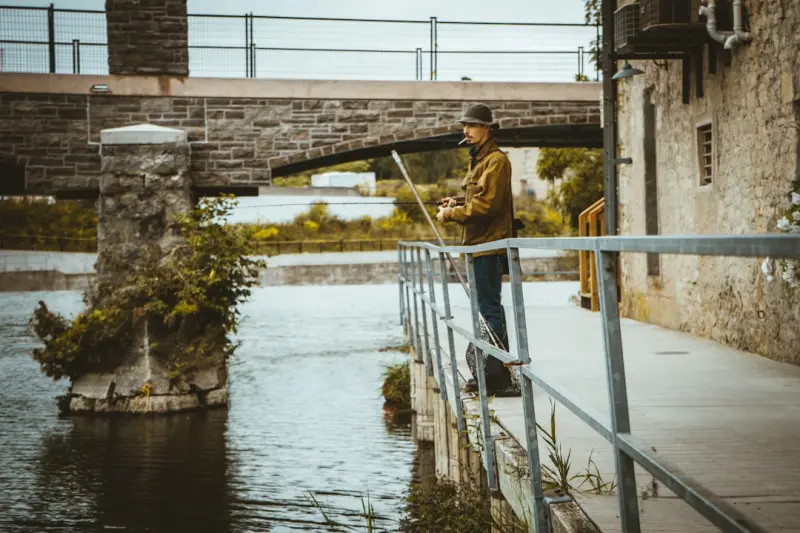
When I first set out for a sunrise cast on Lake Simcoe with a vintage wooden rod, the world felt simple: line, lure, patience. Decades later, that same lake now hums with Bluetooth pings, solar‑charged batteries, and a chorus of anglers scrolling through live maps on their phones. The evolution from “just a rod” to a connected ecosystem is reshaping how we fish in Ontario, and it’s happening faster than most of us can reel in a bass.
The Quiet Revolution of Connected Gear
It’s easy to dismiss the latest gadgetry as a novelty for the tech‑obsessed, but the reality is that these tools are delivering tangible benefits for both seasoned pros and weekend hobbyists. A smart fishing rod equipped with built‑in accelerometers can record your casting speed, angle, and even the vibration pattern when a fish bites. The data syncs to an app that offers real‑time feedback: “Your cast was 15% shorter than optimal for this water depth—try a slightly heavier lure.” Over time, the app builds a personal performance profile, allowing you to spot patterns you’d never notice with a naked eye.
Fish finders have taken a similar leap. No longer clunky, wall‑mounted units, today’s sonar devices attach to the side of a kayak or sit discreetly on a boat’s transom, streaming 3‑D visualizations to your tablet. The real magic isn’t the crisp image of a school of trout; it’s the integration with environmental data feeds—water temperature, dissolved oxygen, and even recent weather fronts. When these variables line up, the system highlights “hot zones” where fish are most likely to bite, turning guesswork into a science‑backed decision.
Apps That Turn Anglers Into Data Scientists
Beyond hardware, the software landscape is booming. Platforms like AI‑Powered Personalization Is Changing Cruise & Bus Tours have inspired a new breed of fishing apps that learn from collective user input. Imagine a community‑sourced map where every catch is logged with species, size, bait used, and exact GPS coordinates. The system aggregates this information, applying machine‑learning algorithms to predict where a particular species will be most active tomorrow based on historical trends and current conditions.
- Real‑time alerts: Push notifications warn you when a “bite zone” moves due to a temperature shift.
- Species‑specific recommendations: The app suggests the most effective lure for the target fish at that moment.
- Seasonal forecasts: By analyzing years of catch data, the platform can advise you when to plan a family trip for peak salmon runs.
This collaborative intelligence is democratizing expertise. No longer do you need a seasoned guide to tell you where the best spots are; the collective wisdom of thousands of Ontario anglers becomes your personal mentor.
Mapping Hidden Gems with Open Data
Ontario’s vast network of lakes, rivers, and streams is a treasure trove waiting to be explored, yet many prime locations remain under the radar. By tapping into publicly available GIS datasets—such as waterbody depth contours, land use maps, and protected area boundaries—developers are creating interactive maps that reveal “hidden gems.” These tools let you filter by criteria like “under 15 feet depth,” “no motor restrictions,” or “high trout density,” empowering you to discover lesser‑known spots that align with your skill level and equipment.
One standout example is the Ontario Angler Atlas, a community‑driven platform that overlays user‑submitted catch logs on top of government‑provided water quality data. The result is a living, breathing map that highlights not just where fish are, but why they’re thriving there—be it cooler inlet currents or abundant insect hatches.
Balancing Tech with Tradition
While the allure of high‑tech gear is strong, it’s essential to remember why many of us fell in love with fishing in the first place: the quiet moments on the water, the rhythm of casting, the simple joy of a tug on the line. Smart tools should augment—not replace—these experiences. Here are a few guidelines to keep the balance right:
- Set tech boundaries: Designate “offline hours” during a trip where you turn off notifications and rely solely on instinct.
- Use data as a guide, not a rule: Treat hot‑zone maps as suggestions. Sometimes the best catch comes from an unexpected spot that a sonar missed.
- Respect local regulations: Certain high‑tech devices, like drones, have restrictions on wildlife areas. Always check provincial guidelines before deployment.
Responsible Tech Use: Protecting the Ecosystem
The surge of electronics on our waterways raises legitimate concerns about environmental impact. Batteries, especially disposable ones, can leach chemicals if not disposed of properly. Many manufacturers now offer solar‑rechargeable power packs that reduce waste and keep devices running for days without a single plug‑in. Additionally, some fish‑finder manufacturers have introduced “eco‑mode” settings that lower sonar intensity, minimizing disturbance to aquatic life while still delivering useful data.
Another emerging practice is the use of biodegradable lures. Traditional plastic or metal lures can linger in the environment if lost, but new composites break down naturally within months, reducing long‑term pollution. Pair these with a responsible “catch‑and‑release” ethic, and you’re contributing to a healthier lake for the next generation of anglers.
Community Platforms: From Competition to Collaboration
In the past, fishing competitions were often shrouded in secrecy—participants guarded their favorite spots like prized possessions. Today’s social platforms flip that script. Anglers can share real‑time updates, post photos of their haul, and even organize impromptu meet‑ups at a newly discovered hotspot. These communities foster a sense of camaraderie, encouraging newcomers to learn the ropes while seasoned anglers stay sharp by teaching and learning from each other.
One notable initiative is the Ontario Anglers’ Collective, a Discord‑based hub where members discuss gear, swap stories, and co‑host virtual workshops on topics ranging from knot‑tying to interpreting sonar reads. The collective’s “Data Dive” sessions walk participants through how to upload their catch logs to the broader map, reinforcing the feedback loop that powers smarter fishing for everyone.
Future Horizons: What’s Next for Ontario Fishing?
Looking ahead, the intersection of artificial intelligence, satellite imaging, and marine biology promises even more sophisticated tools. Imagine a scenario where a satellite scans lake surface temperatures and predicts the emergence of plankton blooms—a primary food source for many fish species—then relays that information directly to your phone, suggesting the optimal fishing window down to the hour.
Another frontier is augmented reality (AR). Wearing AR glasses, an angler could see an overlay of fish density heatmaps on the water’s surface, combined with real‑time depth readings, all while keeping eyes on the horizon. While still in experimental stages, pilots in the Great Lakes region are already testing such prototypes, hinting at a future where the line between technology and nature blurs in the most seamless way possible.
Yet, no matter how advanced our tools become, the heart of Ontario fishing will remain unchanged: a love for the water, a respect for the ecosystems that sustain it, and a shared desire to pass those experiences to the next generation. Embracing smart gear doesn’t mean abandoning tradition; it means enhancing it, ensuring that every cast—whether guided by a centuries‑old intuition or a cutting‑edge algorithm—carries forward the spirit of the sport.
Putting It All Together: Your Next Smart Fishing Trip
- Choose the right gear: Invest in a Bluetooth‑enabled rod and a portable sonar device. Look for models with solar charging options to stay eco‑friendly.
- Download a community app: Join a platform that aggregates user catch data and offers predictive hot‑zone mapping.
- Plan with open data: Use GIS‑based maps to locate lesser‑known spots that match your skill level and target species.
- Set tech boundaries: Allocate portions of your trip for pure, unplugged fishing to reconnect with the water’s rhythm.
- Practice responsible disposal: Carry a small bag for used batteries and choose biodegradable lures whenever possible.
By weaving together smart technology, collaborative data, and timeless respect for the water, Ontario anglers can look forward to richer, more rewarding experiences on every outing. So the next time you head out to Lake Nipissing, remember: the future of fishing isn’t about replacing the rod—it’s about letting every line you cast be informed, intentional, and, most importantly, unforgettable.

Related Posts

Hidden Waters: Discover Ontario’s Secret Fishing Spots and Night‑Time Tactics
Dive into Ontario’s hidden fishing gems, learn night‑time techniques, and adopt low‑impact gea... Read More
Ontario’s Untapped Fishing Havens: A Local’s Guide to Secret Waters
Explore Ontario’s lesser‑known waters, learn sustainable techniques, and get insider gear tips t... Read More
Undiscovered Angling Hotspots Across Ontario’s Waters
A deep dive into Ontario’s quiet fishing locales, offering practical gear advice, seasonal insight... Read More
Top Posts

Sustainable Style Secrets for Prom & Graduation
Explore fresh, sustainable ways to celebrate prom and graduation with eco‑friendly fashion, low‑waste planning, and smart budgeting that keep the memories b...Read More
Why Digital Nomad Visas Are Redefining Travel Economics
Digital‑nomad visas are turning short‑term tourists into long‑term contributors, reshaping local economies, infrastructure, and travel marketing strategie...Read More
Why Marketing Must Evolve in 2024: Insights from Shawn DesRochers
Shawn DesRochers breaks down the must‑know 2024 marketing shifts, from data‑driven personalization to purpose‑centric branding and sustainable storytellin...Read More
From Field to Forum: How Canadian Farmers Are Shaping Local Food Policy
Canadian farmers are stepping into policy rooms, forming cooperatives, embracing Indigenous seed sovereignty, and launching agrihoods to create resilient, susta...Read More
0 Comments
Post Comment
You will need to Login or Register to comment on this post!