
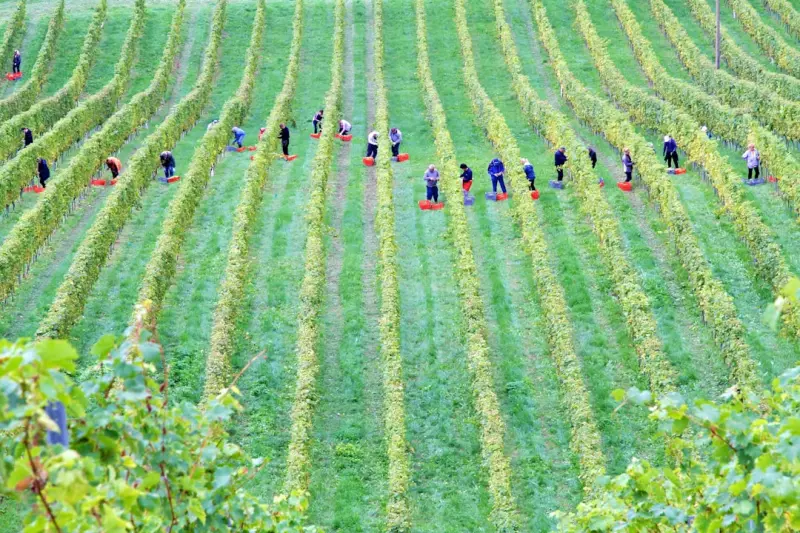
Why Local Food Policy Needs a Farmer’s Voice
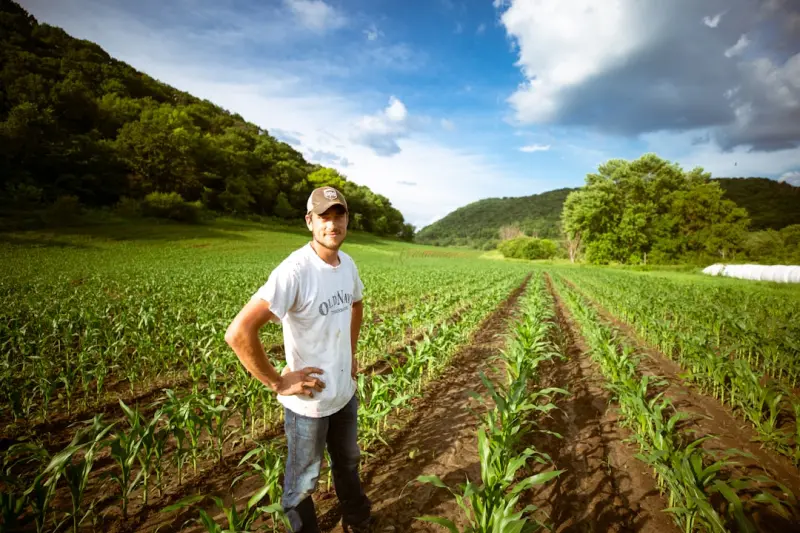
In the rolling plains of Saskatchewan to the mist‑covered orchards of British Columbia, the daily grind of planting, tending, and harvesting is more than a routine—it’s a front‑line insight into the health of our food system, and that insight is too often missing from the corridors of municipal halls where policy is crafted. When farmers sit at the table, they bring hard‑earned data about soil carbon, market volatility, and the true cost of transporting produce across thousands of kilometres, turning abstract statistics into lived experience that can shape smarter, more resilient regulations. Putting farmer perspectives into policy discussions not only bridges the gap between theory and practice but also empowers communities to build food systems that are both economically viable and environmentally responsible.
The Power of Cooperative Advocacy
One of the most effective ways to amplify that voice is through farmer‑led cooperatives that pool resources, share knowledge, and lobby collectively for change, turning individual challenges into shared opportunities for influence. These cooperatives act as both a market hub—aggregating produce for better pricing—and a political engine, commissioning research, hosting roundtables, and drafting policy proposals that reflect the realities of seasonal cycles and climate pressures. By presenting a united front, they can negotiate with government agencies, secure funding for sustainable practices, and ensure that legislation supports local distribution networks rather than privileging distant, industrial supply chains.
Integrating Indigenous Knowledge and Seed Sovereignty
Respecting the deep-rooted relationship Indigenous peoples have with the land adds another critical layer to policy discussions, especially as climate change reshapes growing zones across the country. Collaborations that honour Indigenous seed banks and traditional ecological knowledge not only preserve biodiversity but also create a resilient genetic pool that can adapt to shifting weather patterns. When policymakers recognize and protect these heritage seeds, they help safeguard food security for future generations while honoring the cultural stewardship that has sustained communities for millennia.
From Farm Gate to Urban Plate: The Rise of Agrihoods
Urban planners are now experimenting with “agrihoods,” neighbourhoods built around a central farm that provides fresh produce, educational workshops, and communal green space, weaving agricultural life into the fabric of daily city living. These hybrid developments offer farmers a stable, local market while giving residents direct access to nutrient‑dense foods, reducing the carbon footprint of transportation, and fostering a stronger sense of community ownership over food sources. By embedding agriculture into zoning codes, municipalities can create vibrant, walkable districts that support both health and local economies.
Carbon Credits: Turning Soil Health into Revenue
Recent advances in measuring soil organic carbon have opened a pathway for farmers to monetize their stewardship through carbon credit programs, turning sustainable practices into tangible financial returns. By adopting cover cropping, reduced tillage, and diversified rotations, producers can generate verifiable carbon sequestration data that can be sold to corporations seeking to offset emissions, creating an additional revenue stream that reinforces ecological stewardship. This model not only incentivizes regenerative methods but also aligns farmer interests with national climate goals, making the soil itself a valuable asset on the balance sheet.
Building Resilient Supply Chains Through Regional Hubs
Disruptions caused by extreme weather events and global logistics bottlenecks have highlighted the fragility of long‑distance food supply chains, prompting a renewed focus on regional distribution centres that can buffer local markets against external shocks. By establishing strategically located processing and storage facilities, farmers can preserve harvest quality, reduce waste, and maintain consistent market access even when transportation corridors are compromised. These hubs also provide opportunities for value‑added processing, allowing producers to capture greater margins and diversify product offerings beyond raw commodities.
Policy Wins Worth Celebrating
Recent legislative successes—such as the expansion of direct‑sale exemptions, increased funding for farmer‑led research, and the inclusion of agricultural representatives on provincial food advisory boards—demonstrate the tangible impact of coordinated advocacy. Each victory reinforces the principle that when farmers are invited to co‑design policy, the resulting frameworks are more adaptable, equitable, and grounded in reality. Continued momentum depends on nurturing the relationships forged in these early wins and expanding the coalition to include new voices from emerging sectors like agro‑tourism and renewable energy.
Getting Involved: A Call to Action for Every Stakeholder
Whether you’re a seasoned producer, a young entrepreneur, a community activist, or a curious consumer, there are clear steps you can take to support farmer‑driven policy reform: join a local agricultural coalition, attend municipal council meetings, volunteer for seed‑saving initiatives, or simply purchase directly from a farm‑based CSA. By aligning personal choices with broader systemic change, we collectively reinforce a food system that respects the land, honors the labor of those who till it, and delivers nutritious, affordable food to every table. The future of Canadian agriculture rests on the power of collaborative, evidence‑based advocacy that places the farmer’s perspective at the heart of decision‑making.
Learn More About Innovation on the Farm
For a deeper dive into how technology is quietly reshaping Canadian agriculture, explore the quiet tech revolution that’s empowering producers across the nation. Additionally, discover how mental health initiatives are supporting the well‑being of those who work the land in beyond the harvest, underscoring the holistic approach needed for a thriving sector.

Related Posts
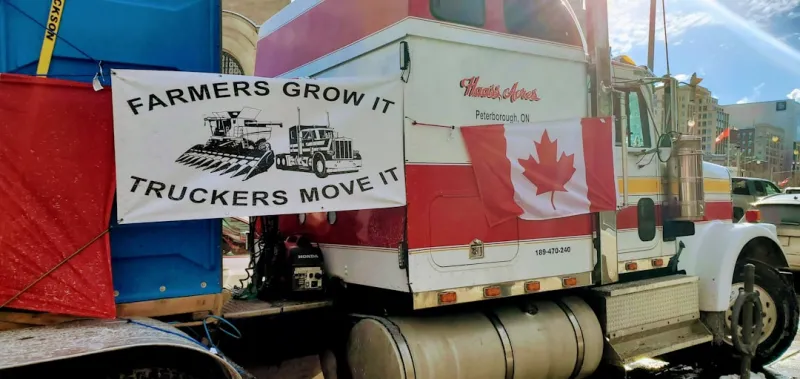
The Unseen Struggles of Canadian Farmers: A Call for Support
Canadian farmers face unique challenges that can take a toll on their mental health. Learn more abou... Read More
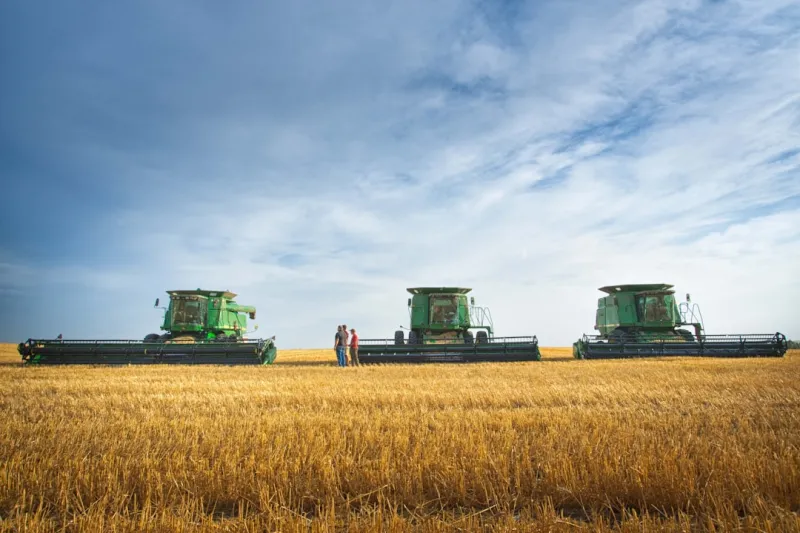
The Unspoken Truths of Canadian Farming
Canadian farmers face numerous challenges, from unpredictable weather patterns to fluctuating market... Read More
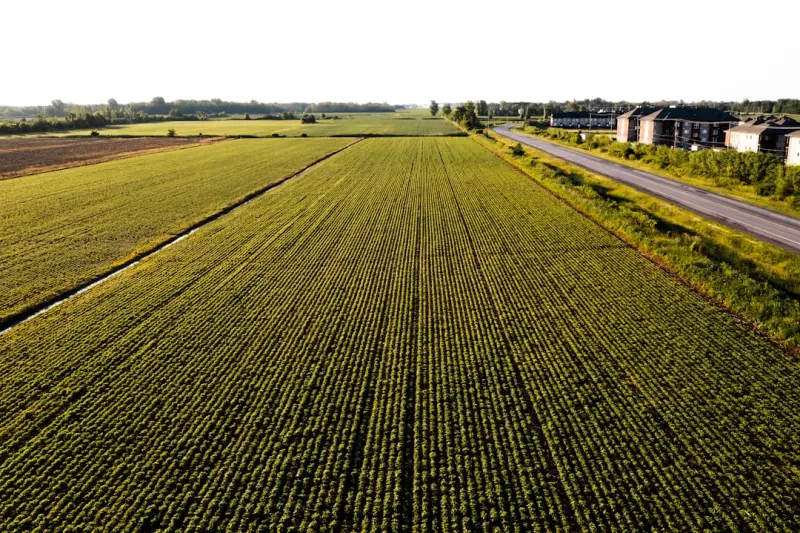
Solar Harvest: How Canadian Farms Are Powering the Future
Canadian farms are embracing solar power to cut costs, enhance resilience, and lead in sustainabilit... Read More
Top Posts
Regenerative Roots: How Canadian Farmers Are Re‑Imagining the Land
Discover the fresh approaches Canadian farmers are adopting—from ancient soil practices to high‑tech digital twins—to create resilient, sustainable farms ...Read More

Reimagining National Identity Through Digital Public Services
A fresh look at national identity in the digital age, emphasizing trust‑centric design, adaptive experience loops, and citizen‑driven innovation to build in...Read More

Capturing the Magic of Prom and Graduation: A Rural Perspective
Prom and graduation are significant milestones in a student's life. In rural communities, these events require creativity, resilience, and community support. Le...Read More

Beyond the Tassel: Turning Milestone Events into Lifelong Momentum
Learn to transform prom and graduation from fleeting celebrations into powerful catalysts for growth by leveraging rites of passage, AI‑enhanced memories, and...Read More
0 Comments
Post Comment
You will need to Login or Register to comment on this post!