
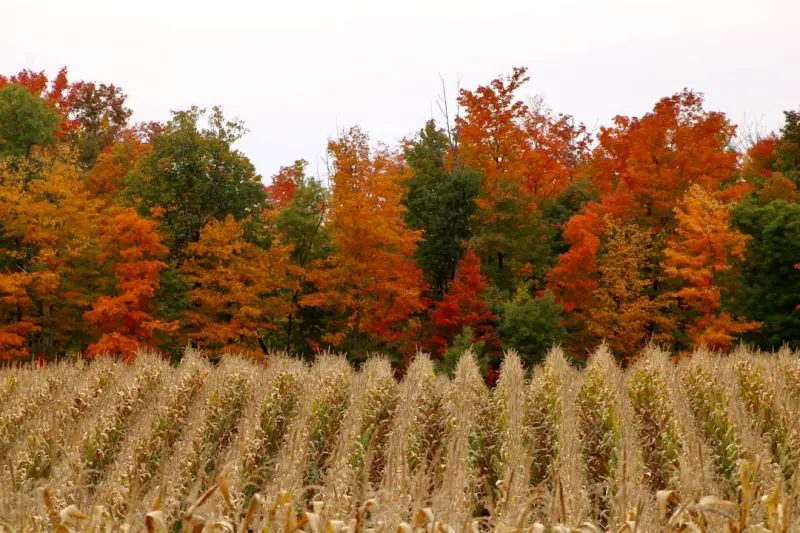
A Wild Invitation
Ever since I trekked through the maple‑lined trails of my grandparents’ property, the whisper of untamed leaves has called me back to the forest floor, urging me to reconsider the grocery aisle as the sole source of nourishment. The realization that wild edible plants carry a concentration of micronutrients rarely matched by cultivated counterparts sparked a personal experiment that now fuels my weekly meals and my writing. In this post I’ll share the science, the safety steps, and the simple recipes that let anyone turn a stroll in the woods into a vibrant, health‑boosting adventure.
Why Foraged Foods Pack a Nutrient Punch
The soil beneath native flora is often richer in organic matter and microbial diversity than the heavily tilled fields that dominate commercial agriculture, and that richness translates directly into the phytochemical profile of the plants that grow there. Studies have shown that wild greens such as dandelion, nettle, and chickweed can contain up to three times the iron, calcium, and vitamin C of their garden‑grown relatives, a fact that explains why traditional foragers have long prized them as “superfoods” long before the term became a marketing buzzword. By tapping into these nutrient reservoirs you not only diversify your diet but also give your body a broader spectrum of antioxidants that support cellular repair and immune resilience.
Harvesting with Respect: Lessons from Regenerative Agriculture
When I first started gathering, I was guided by the principles outlined in Regenerative Roots: How Canadian Farmers Are Re‑Imagining the Land, which taught me that sustainable foraging is as much about giving back to the ecosystem as it is about taking. The rule of thumb is to harvest no more than 10 % of any population, leaving enough plants to seed future growth and maintain habitat for pollinators and soil organisms. By rotating my foraging spots, using a clean pair of scissors, and never uprooting entire clumps, I ensure that the forest remains a thriving pantry for years to come.
Fermented Forest Finds: Harnessing Probiotics from Nature
One of the most exciting frontiers I’ve explored is the fermentation of wild edibles, a process that transforms raw plant matter into a probiotic‑rich elixir that supports gut health and nutrient absorption. Imagine shredding a handful of freshly foraged lamb’s quarters, adding a pinch of sea salt, and letting the natural sugars ferment in a sealed jar for a week—what emerges is a tangy, effervescent condiment packed with lactobacilli that can out‑perform store‑bought sauerkraut in both flavor and microbial diversity. Similarly, wild mushrooms such as morels and oyster varieties develop a depth of umami when fermented, creating a savory paste that can replace processed sauces and reduce your reliance on sodium‑laden condiments.
Safety First: Identification, Preparation, and Ethical Picking
Before you dive into a basket of green gold, mastering plant identification is non‑negotiable; a single misstep can turn a health boost into a hazardous encounter with toxic look‑alikes like poison hemlock or bitter nightshade. I rely on a combination of field guides, local foraging workshops, and a trusted smartphone app that cross‑references leaf shape, stem texture, and habitat, but I always double‑check with an experienced mentor before consuming any new find. Once identified, a quick blanch or light sauté removes most natural bitterness, while also preserving the heat‑sensitive vitamins that make these plants so valuable.
Seasonal Timing: Aligning Harvest with Your Body Clock
Just as the sun dictates the rhythms of the forest, it also influences the nutrient peaks of wild plants, meaning that harvesting at the right moment can amplify the health benefits you receive. Young shoots of nettle, for example, are highest in vitamin K and iron during early spring, whereas mature dandelion leaves peak in flavonoids as the days lengthen into summer. By syncing your foraging calendar with these seasonal windows you not only honor the natural cycles but also enjoy foods that are at their most bioavailable—a concept echoed in the Chrononutrition Guide for those who love a science‑backed approach to eating.
Simple Recipes to Bring the Forest to the Table
Integrating wild greens into everyday meals doesn’t require a culinary degree; a handful of freshly picked sorrel tossed into a cold‑pressed vinaigrette can brighten a winter salad, while a spoonful of fermented chickweed adds a probiotic kick to a post‑workout smoothie. I love a quick “forest omelet” where I fold sautéed dandelion leaves, shredded wild carrots, and a dash of fermented mushroom paste into beaten eggs, creating a breakfast that feels both rustic and nutritionally dense. These recipes are intentionally straightforward, ensuring that even busy professionals can reap the benefits of foraged foods without spending hours in the kitchen.
Mindful Eating: The Mental Health Benefits of Foraging
Beyond the biochemical advantages, the act of hunting, gathering, and preparing wild foods fosters a deep sense of connection to the land, which research links to reduced stress, improved mood, and heightened mindfulness. The rhythmic motions of cutting, washing, and fermenting become a moving meditation, turning a simple kitchen task into a ritual that grounds you after a hectic day. As I slice a bundle of nettles and watch the steam rise, I’m reminded that nourishment is as much about the mind as it is about the body.
Integrating Foraged Superfoods Into Everyday Meals
Once you’ve built a modest pantry of dried herbs, fermented greens, and powdered mushroom extracts, the possibilities for boosting the nutritional profile of any dish expand dramatically. Sprinkle a teaspoon of dried pine needle powder into a homemade broth for a boost of vitamin C, or stir a spoonful of fermented wild kale into a quinoa bowl for a probiotic surge that aids digestion. By treating these wild ingredients as seasonings rather than main courses, you can effortlessly upgrade soups, stir‑fries, and even baked goods with the hidden power of the forest.
From Forest to Fork: A Call to Sustainable Exploration
My journey from curious wanderer to confident forager has taught me that the healthiest foods are often those that grow where we walk, not where they’re shipped from across continents. By respecting the ecosystems, mastering identification, and embracing simple preparation methods, you can turn a weekend hike into a weekly health regimen that supports both personal wellness and environmental stewardship. So lace up your boots, grab a sturdy basket, and let the forest become your next pantry—just remember to forage responsibly and share your newfound knowledge with neighbors, because a community that eats wild together stays vibrant together.

Related Posts
Unlocking Food Synergy: How Smart Ingredient Pairings Supercharge Your Health
Explore how strategic food pairings enhance nutrient absorption, improve immunity, and boost energy.... Read More
Unlocking the Power of Seasonal Superfoods for Everyday Vitality
Explore fresh, seasonal superfood swaps, pantry essentials, and mindful eating habits that turn ordi... Read More
Synergistic Food Pairings: Boosting Nutrition One Plate at a Time
Learn the science behind pairing fats with vitamins, vitamin C with plant iron, and more. This gui... Read More
Top Posts

Beyond Sightseeing: Turning Cruise Port Stops and Bus Tours into Story‑Rich Adventures
Learn to turn ordinary cruise shore stops and bus routes into vivid, story‑driven experiences—mixing culture, cuisine, photography, and mindful travel for u...Read More

Embracing the Everyday Joys of Canadian Living
A heartfelt look at Canada’s seasonal foods, community events, and home‑care hacks that celebrate the unique rhythm of life across the nation....Read More

From Snapshots to Storybooks: Curating a Digital Legacy for Your Prom and Graduation
A step‑by‑step guide to preserving prom and graduation memories as curated digital storybooks, using affordable tech, AI tagging, and strategic sharing for ...Read More

Heritage Grains Are Back: Baking a Sustainable Future
Explore the resurgence of heritage grains, their unique flavors, nutritional benefits, and environmental advantages, and learn how both professional bakers and ...Read More
0 Comments
Post Comment
You will need to Login or Register to comment on this post!