
From Window Sill to Plate: The Rise of Micro‑Herb Kitchens
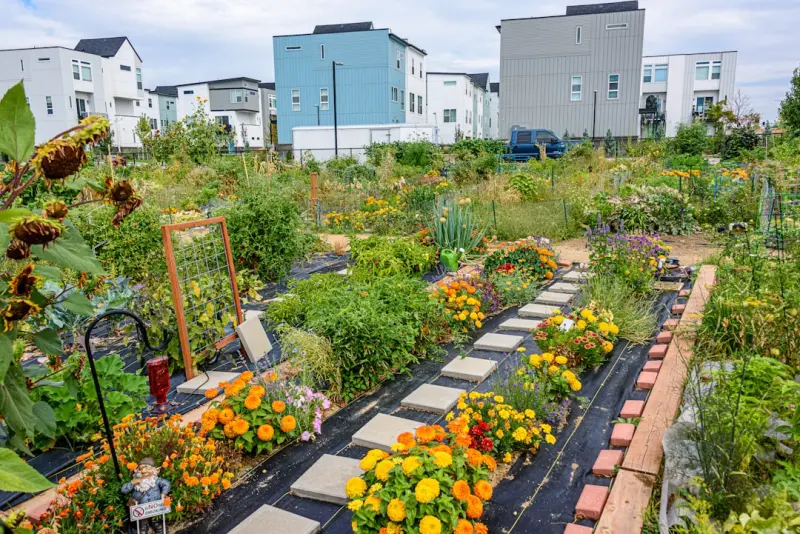
When I first slipped a tiny basil seed into the cracked concrete of my balcony, I didn’t realize I was starting a culinary rebellion. Micro‑herb kitchens let city dwellers harvest fresh flavor without a yard, and the experience reshapes the way we think about food prep. I now tend to a kaleidoscope of mint, dill, and tarragon that leap from the pot to the pan, turning ordinary dishes into aromatic adventures that taste like they were plucked from a forest.
The Science Behind Flavor‑Focused Growing
Plants produce volatile compounds as a defense mechanism, and those same compounds are the heart of their taste and aroma. By controlling light, humidity, and soil composition in a small indoor space, you can amplify the very molecules that make a herb “pop” on the palate. Studies show that a 12‑hour light cycle paired with a nitrogen‑rich organic substrate can boost essential oil content by up to 30 %, meaning a single sprig of rosemary can deliver the punch of a whole bunch harvested outdoors.
Choosing the Right Containers: Beyond the Basic Pot
Forget the generic terracotta; modern micro‑herb growers are turning to hydroponic trays, reclaimed glass jars, and even up‑cycled wine bottles. These alternatives provide better aeration and root visibility, which helps you spot issues before they spread. A shallow regenerative approach to container gardening also reduces water waste, aligning the aesthetic of a sleek kitchen with sustainable practices.
Soil, Substrate, and the Secret to Lush Growth
The backbone of any thriving herb garden is a well‑balanced growing medium. A 70 % peat‑free compost blended with perlite and a touch of worm castings creates a light, nutrient‑dense environment that encourages rapid leaf production. Adding a pinch of sea kelp extract once a month supplies the micronutrients that keep flavors bright and consistent, turning a simple pot of cilantro into a powerhouse of cilantro‑infused salsa.
Light Play: How to Mimic the Sun on a Shelf
LED grow lights have become the unsung heroes of indoor herb cultivation, delivering the full spectrum of sunlight without the glare. Position your lights 12‑18 inches above the canopy and run them for 10‑12 hours daily to simulate a natural day. For those who love the drama of twilight, a brief “dusk” period using a warm amber hue can enhance the production of certain terpenes, giving your thyme a subtly sweeter note.
Watering with Intent: The Moisture Mindset
Overwatering is the most common mistake new growers make, but it’s easily avoided with a simple touch‑test. Stick your finger an inch into the soil; if it feels dry, water lightly until it drips from the drainage holes. Using filtered or rainwater, rather than tap, prevents chlorine buildup that can dull the flavor profile of delicate herbs like chives and lemon balm.
Harvesting for Maximum Flavor
Timing is everything when you snip a leaf or stem. Harvest in the early morning after the dew has evaporated but before the sun intensifies, as this is when the essential oils are most concentrated. Use clean, sharp scissors to cut just above a leaf node, encouraging the plant to branch out and produce even more foliage for your future recipes.
From Garden to Table: Pairing Micro‑Herbs with Modern Dishes
Imagine a smoked salmon tartare brightened with a handful of fresh dill and a drizzle of lemon‑infused olive oil, or a simple avocado toast crowned with peppery arugula and a sprinkle of micro‑coriander. These tiny flavor bombs elevate everyday meals, making them feel restaurant‑worthy without the price tag. Pairing a herb‑accented dish with a thoughtfully brewed coffee—like the innovative blends explored in Next‑Gen Coffee Experiences—creates a multisensory harmony that lingers long after the last bite.
Scaling the Micro‑Herb Movement: Community and Commerce
What starts as a personal experiment can blossom into a neighborhood network of growers sharing seeds, tips, and even recipes. Pop‑up herb swaps and online forums are fostering a sense of culinary community that mirrors the collaborative spirit of farmers’ markets, but with a focus on the vertical, compact spaces of urban life. As more people adopt these practices, the demand for specialty containers and organic substrates is rising, opening new opportunities for small businesses to thrive alongside the plants they nurture.

Related Posts

Umami Unlocked: Elevate Your Cooking with Natural Flavor Boosters
Learn the science behind umami and simple, natural ways to boost flavor in your cooking using everyd... Read More

From Scraps to Sips: How Upcycled Beverages Are Changing the Drink Landscape
Upcycled beverages turn kitchen scraps and food waste into flavorful drinks, offering environmental ... Read More
Fermenting the Future: How Home Kitchens Are Becoming Microbrew Labs
Discover the surge of home fermentation, where everyday kitchens become micro‑brew labs, offering ... Read More
Top Posts
When Home Becomes Office: Navigating the Hidden Cost‑of‑Living Shift
A deep dive into the hidden utilities, internet, ergonomic, and psychological costs of turning your home into a permanent office, with practical strategies to k...Read More

When Algorithms Draft Contracts: Legal Risks and Opportunities
AI can draft contracts in minutes, but the technology introduces new accountability, privacy, and bias challenges. This article breaks down the risks and offers...Read More

Navigating Tariffs: Turning Policy Shocks into Strategic Wins
Learn to transform tariff challenges into strategic opportunities through foresight, classification tricks, tech forecasting, and collaborative partnerships....Read More

The Unseen Consequences of Rural Living: A Legal Perspective
Rural living presents a unique set of challenges and opportunities. As a legal professional, I explore the intersection of law and rural living, highlighting em...Read More
0 Comments
Post Comment
You will need to Login or Register to comment on this post!