
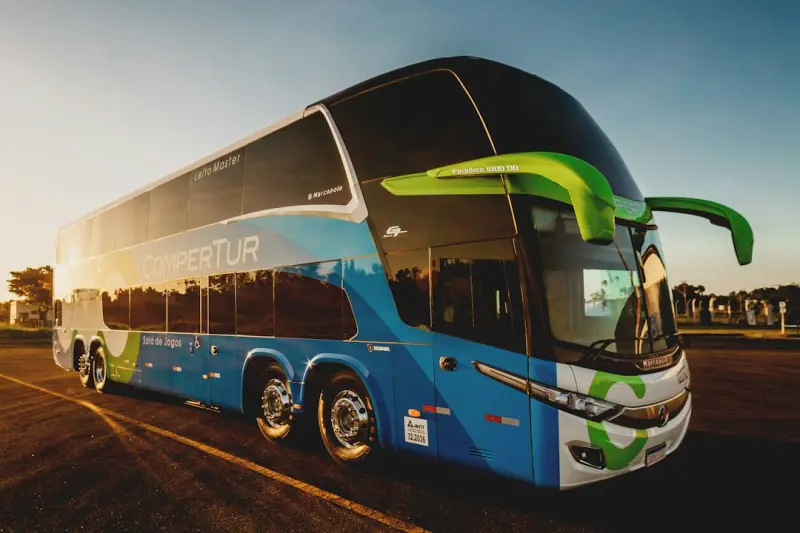
There’s a quiet revolution humming beneath the polished decks of cruise ships and the humming engines of tour buses. It isn’t about bigger pools or louder nightclubs; it’s about the stories we tell ourselves while the world slides past our windows. I’ve spent the last decade hopping from the Atlantic to the Rockies, and I’ve learned that a journey becomes unforgettable the moment the itinerary stops being a checklist and starts feeling like a living, breathing narrative.
Why Storytelling Matters More Than Ever
Travelers today are saturated with options. A quick scroll reveals thirty‑seven cruise lines and a dozen boutique bus operators, each promising “the ultimate experience.” In that noise, the differentiator is no longer the size of the ship or the number of stops—it’s the emotional thread that ties every moment together. When a guide weaves the legend of a coastal village into a stop‑over, or a ship’s chef narrates the provenance of a locally‑sourced ingredient, passengers feel like co‑authors of the adventure rather than passive consumers.
From Seat‑Backs to Story‑Boards
Imagine settling into a plush seat on a scenic bus tour, the windows framing rolling hills that seem to whisper ancient tales. Instead of a bland audio guide, the driver—part historian, part storyteller—unfolds a narrative arc: the rise of a forgotten railway town, the myths that kept its founders alive during harsh winters, and the modern revival sparked by a community garden movement. The journey transforms into a chapter of a larger book, one that passengers can pick up again when they return home.
Floating Narratives: Cruises as Moving Museums
On the high seas, cruise lines are turning decks into platforms for immersive storytelling. Think of a themed “Maritime Legends” evening where the ship’s theater hosts a live reenactment of a 17th‑century pirate saga, complete with historically accurate costumes and interactive audience roles. Below deck, the dining room serves a “treasure‑trove” tasting menu, each dish paired with a tale of the sea routes that carried the spices and flavors to the galley. The result? A multi‑sensory narrative that lingers long after the ship docks.
Integrating citizen science initiatives into Tours
One of the most exciting ways to deepen the story is to invite travelers to become participants in real‑world research. Some forward‑thinking bus operators now equip passengers with simple data‑collection kits—think water‑quality test strips or wildlife observation sheets—turning a scenic drive through a national park into a contribution to conservation. When travelers learn that their observations will help scientists track ecosystem health, the journey gains purpose, and the story they carry back home is one of stewardship.
Dynamic Pricing Through adaptive revenue models
Storytelling also extends to the business side. Adaptive revenue models let operators price experiences in real time based on demand, weather, and even narrative relevance. A sunrise cruise that promises a rare aurora sight can command a premium when conditions align, while a bus tour focusing on local folklore might offer discounts during off‑peak months to attract curiosity‑driven travelers. By tying price to narrative value, companies ensure that every ticket sold feels like an investment in a story worth telling.
Co‑Creating Content with Guests
Modern travelers love to see themselves reflected in the content they consume. Some cruise lines now host “story labs” where guests collaborate with onboard writers to craft a communal travel diary. Passengers contribute photos, anecdotes, and even poetry that get woven into a daily newsletter delivered to cabins. On bus tours, drivers hand out small journals, encouraging riders to sketch or jot down thoughts at each landmark. By the journey’s end, everyone walks away with a personalized artifact—a tangible piece of the story they helped shape.
Technology as the Narrative Bridge
Augmented reality (AR) and interactive apps are becoming the new storytellers’ palettes. A bus equipped with AR headsets can overlay historical photographs onto present‑day streets, letting passengers witness the transformation of a downtown core over a century. On a cruise, a tablet can guide passengers through a virtual dive into the ship’s hull, revealing engineering marvels while narrating the shipbuilder’s journey. Technology doesn’t replace the human voice; it amplifies it, making stories more vivid and accessible.
Building internal innovation labs for Narrative Design
Behind the scenes, the most successful operators are establishing dedicated spaces where storytellers, designers, and data analysts collaborate. These labs experiment with new narrative formats—interactive podcasts for long voyages, gamified scavenger hunts for bus routes, and live‑streamed Q&A sessions with local historians. By treating narrative design as a repeatable, data‑driven process, companies can iterate quickly, ensuring each new itinerary feels fresh yet familiar.
Sustainability as a Story Thread
Eco‑conscious travelers are eager for stories that reflect their values. Bus tours that partner with local farms to source meals, or cruises that showcase onboard water‑recycling systems, can embed sustainability into the narrative. When the guide explains how the bus’s hybrid engine reduces emissions by 30% compared to a standard coach, or the captain describes the ship’s partnership with a marine‑clean‑up nonprofit, the story becomes a platform for responsible travel. Guests leave not just with memories, but with a sense of contributing to a better future.
Measuring Narrative Impact
Stories are intangible, but their impact can be measured. Post‑trip surveys now ask passengers to rate “emotional resonance” and “story engagement” alongside traditional metrics like comfort and punctuality. Operators also track social media mentions of specific narrative elements—like a hashtag for a bus tour’s “Legend of the Lost Mine.” By quantifying narrative success, companies can refine their storytelling playbook, ensuring each new route or cruise line delivers a richer, more compelling experience.
Future Horizons: Hybrid Journeys
The line between cruise and bus travel is blurring. Imagine a coastal road trip that ends with a short cruise segment, allowing travelers to experience both land‑based storytelling and oceanic narratives in one seamless adventure. Such hybrid itineraries open endless possibilities for narrative layering—each mode of transport contributes its own chapter, creating a tapestry that is more intricate than the sum of its parts. The future belongs to operators willing to experiment, collaborate, and, most importantly, listen to the stories their guests are eager to hear.
In the end, the most powerful compass for any travel experience is a well‑told story. Whether it’s a bus winding through a valley steeped in folklore or a cruise ship gliding beneath a sky painted with myths, the narrative is the vessel that carries us beyond the physical route. As we continue to blend technology, sustainability, and human connection, the journeys of tomorrow will be remembered not just for where they took us, but for the stories they helped us become.

Related Posts
Rediscovering the Joy of Slow Travel: How Bus Tours Can Transform Your Family Vacation
Slow travel is more than just a trend; it's a mindset that encourages us to be present in the moment... Read More
Beyond the Itinerary: How Story‑Driven Cruises and Bus Tours Redefine Authentic Travel
Explore how story‑rich cruise and bus tours are transforming travel into authentic, sustainable ad... Read More
Beyond the Horizon: How Modern Cruises and Bus Tours Turn Travel into Personal Storytelling
Discover how today’s cruises and bus tours blend niche themes, smart data, and eco‑friendly prac... Read More
Top Posts

Unleash the Fun: Discover Bowls & Blasters at Promenade Shopping Centre in Thornhill, Ontario
Looking for a guaranteed good time in Thornhill, Ontario? Forget the ordinary and prepare to be amazed by Bowls & Blasters, a dynamic entertainment venue ne...Read More

From Small‑Screen to Big‑Stage: How Canada’s Indie Game Studios Are Redefining Entertainment
Canadian indie game developers are turning local stories, diverse languages, and cutting‑edge tech into interactive experiences that captivate global audience...Read More

Fermented Foods: Tiny Cultures, Big Benefits
Explore the science behind fermentation, learn easy recipes, and see how probiotic foods can improve digestion, immunity, and overall wellness in today’s fast...Read More

Community‑Driven Climate Resilience Hubs: Canada’s Emerging National Backbone
Discover how community‑run resilience hubs are turning climate challenges into opportunities, boosting local economies, and forging a stronger, more united Ca...Read More
0 Comments
Post Comment
You will need to Login or Register to comment on this post!