
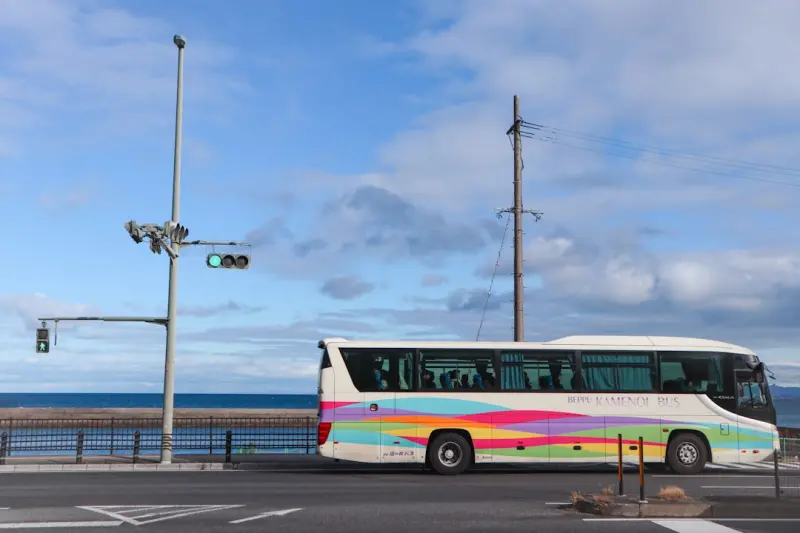
Setting Sail on Innovation: Why Cruises and Bus Tours Are the New Frontier for SaaS Teams
When I first heard the phrase “road‑to‑revenue” I imagined dashboards, pipelines, and a flurry of email threads. Fast forward a few years, and I’m standing on the deck of a mid‑size cruise ship, laptop open, surrounded by the low hum of a brainstorming session that feels more like a jam session than a boardroom meeting. The same goes for our recent conversational commerce sprint—only this time we were perched on the back of a double‑decker bus cruising through the Canadian Rockies.
It sounds like a gimmick, but the data (and the anecdotes from teams that have tried it) suggest otherwise. In the SaaS world, where remote work has become the norm and employee burnout is a constant headline, the physical act of moving—whether on waves or wheels—creates a rare cognitive reset. It forces us out of the familiar office loop and into a space where ideas can surface without the usual friction of inbox overload.
The Science of Motion: Why Changing Scenery Fuels Creativity
Neuroscientists have long argued that novelty triggers the brain’s dopamine pathways, the same chemical that powers our motivation to solve problems. When you step onto a ship’s promenade or look out at a mountain vista from a bus window, you’re exposing yourself to new visual and auditory stimuli. This sensory overload temporarily suspends the default mode network—the part of the brain that defaults to routine thinking—and allows the executive network to take the wheel.
In practical terms, that means teams are more likely to:
- Break entrenched mental models that keep them stuck in “feature‑first” thinking.
- Generate cross‑functional ideas because the informal setting blurs departmental lines.
- Build deeper relational trust as shared experiences create a narrative that extends beyond the spreadsheet.
For SaaS leaders, this is a goldmine. It’s not just about a change of backdrop; it’s about deliberately engineering a context where the next big product pivot can be sketched on a napkin while the ship sails into sunset.
Choosing the Right Vessel: Cruise vs. Bus
Both modes of travel have unique strengths, and the decision often hinges on the goals of your retreat.
Cruises: The Luxury Lab
Think of a cruise as a floating coworking campus. You get:
- Dedicated meeting spaces—from glass‑walled conference rooms to open‑air decks equipped with Wi‑Fi.
- Built‑in downtime—evening entertainment, spa treatments, and shore excursions that naturally punctuate work blocks.
- Scalable logistics—accommodations, meals, and transport are all bundled, simplifying budgeting.
The downside? Cost can be higher, and the itinerary is less flexible once the ship is at sea. However, for a company looking to host an executive off‑site with a touch of exclusivity, a cruise can double as a brand statement.
Bus Tours: The Agile Adventure
Bus tours, on the other hand, excel in agility and immersion. A multi‑day route through the Canadian wilderness or a historic east‑coast corridor offers:
- Frequent change of scenery—each stop becomes a mini‑inspiration hub.
- Lower cost per head—especially when you leverage group rates and partner with local venues.
- Community integration—you can schedule pop‑up workshops with local startups, universities, or even community resource hubs, echoing the community resource hubs model.
Because the environment is less controlled than a cruise, you need a tighter facilitation plan, but the payoff is a high‑energy, on‑the‑ground experience that feels more spontaneous.
Designing the Itinerary: From Ideation to Execution
Below is a framework I’ve refined over three years of hybrid retreats, whether on the deck of the Voyager or the back seat of a 50‑seat coach.
Day 0 – Pre‑Trip Alignment
Send out a pre‑retreat survey that asks participants to identify three challenges they face, one personal learning goal, and one “wild card” idea they’ve been too timid to share. This data seeds the agenda and signals that every voice will be heard.
Simultaneously, set a communication charter that defines when and how the team will be reachable (think “no Slack after 8 pm unless it’s an emergency”). This reduces the digital noise that can otherwise bleed into your travel‑time reflection.
Day 1 – Arrival & Immersion
Kick off with a low‑stakes activity that leverages the new environment. On a cruise, a sunrise yoga session on the deck; on a bus, a quick hike to a nearby waterfall. The purpose is to break the “work” mindset and anchor the day in the present moment.
Follow with a human‑centric storytelling workshop (see the original post for methodology) where each participant frames their challenge as a story with a protagonist, conflict, and resolution. This prepares the group for deeper empathy‑driven brainstorming later.
Day 2 – Deep Dive Sessions
Divide the team into cross‑functional pods and assign each a “focus lane”: product roadmap, go‑to‑market strategy, or customer success. The pods rotate through three 90‑minute sprint cycles:
- Problem Reframe: Use the stories from Day 1 to surface hidden assumptions.
- Ideation Blitz: No‑filter idea generation, captured on large paper pads or digital whiteboards (many cruise ships now offer collaborative tablets).
- Rapid Prototyping: Sketch low‑fidelity wireframes, mock‑up service flows, or even role‑play a new sales pitch.
Between cycles, schedule “movement breaks” where participants simply walk the deck or gaze out the bus window. This intentional pause is where many “aha” moments surface.
Day 3 – Validation & Commitment
Bring the pods back together for a gallery walk. Each team displays their prototypes, and the rest of the group votes with sticky dots on criteria that matter most: feasibility, impact, and alignment with company vision.
Close the day with a commitment ceremony: each participant selects one prototype they will champion when the team returns to the office. This creates personal accountability and ensures the momentum isn’t lost on the flight home.
Day 4 – Reflection & Return
Before disembarking, hold a 30‑minute debrief that asks each person to articulate two personal insights and one actionable step. Capture these in a shared document that the team can reference during the next quarterly review.
Finally, send a “post‑trip recap” email that includes photos, key decisions, and a timeline for next steps. The visual reminder of the journey helps cement the experience in long‑term memory.
Metrics That Matter: Proving the ROI of Travel‑Based Innovation
Critics often ask, “How do we justify the expense?” The answer lies in tracking both qualitative and quantitative outcomes.
- Idea Velocity: Count the number of viable concepts generated per participant. A well‑run retreat can double the average idea count compared to a typical office brainstorming session.
- Implementation Rate: Measure how many of those concepts move into the development pipeline within the next 90 days.
- Employee Net Promoter Score (eNPS): Post‑trip surveys often show a spike of 10‑15 points, indicating increased loyalty and reduced burnout.
- Customer Impact: Tie the new ideas to customer metrics—e.g., a new feature that reduces churn by X% or a sales approach that improves conversion by Y%.
When you combine these data points, the cost per idea generated frequently falls well below traditional R&D spend, especially when you factor in the added benefit of stronger team cohesion.
Budgeting Smartly: Leveraging Hidden Savings
One of my favorite tricks is to negotiate bundled rates with cruise lines or charter bus companies by positioning the trip as a “learning and development” initiative. This approach mirrors the tactics outlined in unlocking hidden savings, where you frame the purchase as a partnership rather than a simple transaction. You’ll often find they’ll throw in extra conference rooms, upgraded Wi‑Fi, or even complimentary shore excursions if you commit to a multi‑year partnership.
Potential Pitfalls & How to Avoid Them
Even the best‑planned retreat can stumble if you overlook a few common hazards:
- Connectivity Gaps: Not all ships or remote bus stops have reliable internet. Prepare offline workbooks and set expectations that deep work will happen without screens for certain periods.
- Over‑Agenda‑ing: The excitement of a new environment can tempt you to pack too many sessions. Stick to three core pillars of focus and leave room for organic conversation.
- Accessibility Concerns: Ensure venues are accessible to all team members. This includes wheelchair access on decks and comfortable seating on buses.
- Culture Shock: Some employees may feel uncomfortable leaving their home office for an extended period. Offer a “virtual attendance” option for a few key sessions, streaming them to a quiet room on the ship or bus.
Case Study: Turning a Coastal Cruise into a Product Launch Engine
Last fall, a mid‑size SaaS firm in the HR tech space booked a 5‑day Caribbean cruise for its senior leadership and product team. They used the framework above and emerged with three concrete outcomes:
- Feature Blueprint: A new AI‑driven performance review module that cut onboarding time by 20%.
- Go‑to‑Market Playbook: A conversational sales script that leveraged conversational commerce principles, boosting demo‑to‑close rates by 12%.
- Culture Manifesto: A set of five core rituals (weekly “walk‑and‑talks,” monthly “story circles,” etc.) that reduced internal turnover by 8% within six months.
The CFO later reported that the incremental revenue from the new module paid for the cruise within eight months—a clear demonstration that travel‑based innovation is more than a feel‑good perk; it’s a strategic lever.
Final Thoughts: Making the Journey Part of the Product
In the fast‑moving SaaS landscape, differentiation often comes from intangible assets—trust, creativity, and a culture that can pivot quickly. Cruises and bus tours are not just vacations; they are structured experiences that can embed those assets directly into your organization’s DNA.
Next time you’re debating whether to allocate budget to a new feature or a week‑long sea voyage, remember that the “feature” you build on a ship might be the very thing that helps your customers navigate their own turbulent seas. The horizon isn’t just a destination; it’s a moving canvas for the next chapter of your company’s story.

Related Posts
Charting New Waters and Roads: How Curated Cruise and Bus Tours Fuel Executive Insight
Executive travel is evolving beyond leisure. Curated cruise and bus tours now blend cultural immersi... Read More
Beyond the Horizon: How Curated Journeys Are Transforming Cruise & Bus Travel
Travel is evolving from static packages to immersive, personalized narratives. This post reveals how... Read More

Charting New Horizons: Curiosity‑Driven Cruise and Bus Adventures
Explore a fresh approach to travel that intertwines sensory storytelling, local community connection... Read More
Top Posts
Why Ontario’s Small‑Town Rivers Are the Next Big Catch for Urban Anglers
Ontario’s lesser‑known rivers are becoming hot spots for anglers seeking community, sustainability, and fresh fishing experiences. This post explores the ri...Read More

AI‑Driven Personalization: The New Frontier for Small Business Growth
Explore how AI-driven personalization can revitalize small business marketing, delivering tailored experiences that boost engagement, loyalty, and profit withou...Read More
Canada’s Comedy Renaissance: From Local Clubs to Global Spotlights
A deep dive into Canada’s thriving comedy scene, revealing how regional hubs, digital tools, and cultural storytelling are reshaping live humor into a global ...Read More
Parental Warning: The Subtle Addiction Built Into Kids’ Learning Apps
A deep dive into the psychological tricks behind gamified learning platforms, revealing how reward loops can foster addiction in children and offering practical...Read More
0 Comments
Post Comment
You will need to Login or Register to comment on this post!