
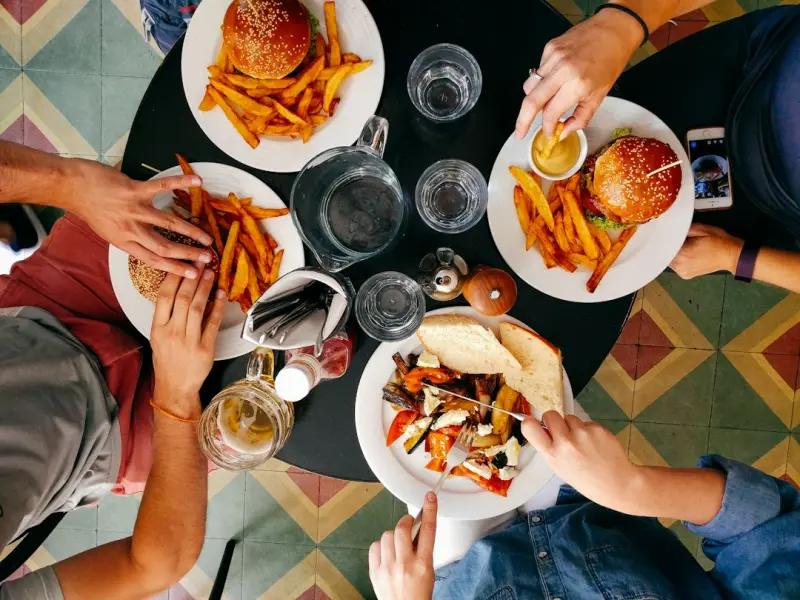
When I first walked into a downtown eat‑in that doubled as a pop‑up art gallery, I expected a menu that would taste as avant‑garde as the installations on the walls. What I got instead was a digital kiosk that asked me three quick questions, then whispered a dish name that seemed to have been plucked straight from my subconscious. That moment was my first taste of the ghost‑kitchen renaissance, and it has been reshaping the restaurant landscape ever since.
From Brick‑and‑Mortar to “Invisible” Kitchens
Ghost kitchens—also known as cloud or dark kitchens—are not new, but the technology that now powers them is. In the past, a chef would set up a “delivery‑only” space to cut rent and streamline service. Today, AI algorithms analyze city‑wide ordering data, weather patterns, and even local event calendars to predict which dishes will sell best on any given night.
Imagine a system that knows a rainy Thursday will boost demand for comfort soups, while a sunny Saturday afternoon spikes the need for fresh salads. It then auto‑generates a menu, adjusts inventory orders, and even tweaks cooking times to hit that sweet spot of speed and flavor. The result? A hyper‑responsive kitchen that feels less like a static operation and more like a living organism.
Why Restaurants Are Embracing AI‑Driven Ghost Kitchens
- Cost Efficiency – By shedding the front‑of‑house overhead (rent, décor, front‑staff), operators can allocate more budget to premium ingredients and tech upgrades.
- Data‑Backed Decision Making – AI crunches thousands of data points in seconds, turning guesswork into precise menu engineering.
- Scalability – A single ghost‑kitchen hub can serve multiple brands, each with its own virtual storefront, without the need for separate physical locations.
- Sustainability – Centralized production reduces food waste, shortens delivery routes, and cuts down on energy consumption per plate.
These benefits are compelling enough that even legacy establishments are dipping their toes into the ghost‑kitchen pool. A family‑run pizzeria in Toronto, for instance, recently partnered with a tech startup to launch a separate delivery‑only brand that focuses exclusively on plant‑based pies. Within weeks, they reported a 30% increase in overall sales without adding a single new oven.
The Secret Sauce: Real‑Time Menu Optimization
At the heart of the ghost‑kitchen surge is AI‑driven menu optimization. Algorithms monitor social media trends, competitor pricing, and even local grocery store stock levels to suggest daily specials that are both profitable and on‑trend. For chefs, this means less time brainstorming and more time perfecting execution.
Take the example of a sushi bar that uses AI to track the price fluctuations of fish at local markets. When a particular species becomes abundant and cheap, the system automatically promotes a new roll featuring that fish, pairing it with a seasonal garnish that matches the current culinary vibe. The dish disappears when supply wanes, ensuring that the menu remains fresh, relevant, and financially sound.
Immersive Dining in a Virtual World
While ghost kitchens handle the logistics, the front‑of‑house experience is moving into the digital realm. Augmented reality (AR) menus let diners visualize their meals before ordering, and virtual reality (VR) can transport them to a seaside patio while they eat a bowl of clam chowder. This isn’t just a gimmick; it’s a strategic move to differentiate brands in an overcrowded delivery market.
One forward‑thinking chain has rolled out a VR “dine‑in” that pairs a curated playlist, ambient soundscapes, and 360° visuals of a Mediterranean courtyard. Customers report higher satisfaction scores, and the brand has seen a 12% uptick in repeat orders—a clear sign that immersive experiences can drive loyalty even when the physical table is absent.
Balancing Automation with Human Touch
Automation is powerful, but the human element remains irreplaceable. Chefs still curate flavor profiles, and servers—whether virtual chatbots or live video hosts—still provide that personal connection. The most successful ghost‑kitchen models blend the efficiency of AI with the authenticity of human storytelling.
One notable example is a Mexican street‑food brand that employs a “virtual abuelita”—a live video host who shares anecdotes about family recipes while customers watch their tacos being assembled. The host’s warm presence turns a simple delivery into a cultural experience, reinforcing brand identity and encouraging word‑of‑mouth referrals.
Challenges on the Road to an “Invisible” Restaurant
Despite the hype, the transition isn’t without hurdles:
- Regulatory Compliance – Food safety standards still apply, and ghost kitchens must navigate zoning laws that differ from traditional dining establishments.
- Brand Dilution – Managing multiple virtual concepts under one roof can confuse customers if the brand messaging isn’t crystal clear.
- Technology Integration – Seamlessly linking order platforms, kitchen display systems, and AI analytics requires robust IT infrastructure and skilled staff.
Addressing these challenges often means partnering with specialists who understand both culinary arts and cutting‑edge tech. In many cases, the same partners that help SaaS firms unlock hidden savings can also negotiate better rates for kitchen equipment and cloud services, creating a virtuous cycle of cost reduction and performance improvement.
Future Forecast: The Restaurant of Tomorrow
Looking ahead, we’ll likely see three major developments shaping the next chapter of dining:
- Hyper‑Personalized Meal Kits – AI will generate individualized meal kits based on a diner’s dietary preferences, health goals, and taste history, delivered directly from the ghost kitchen.
- Zero‑Waste Operations – By analyzing waste streams in real time, kitchens can repurpose excess ingredients into new dishes or even convert them into energy via on‑site anaerobic digesters.
- Community‑Driven Pop‑Ups – Ghost kitchens can act as “kitchen incubators,” allowing local chefs to test concepts virtually before committing to a brick‑and‑mortar space.
These trends point toward an ecosystem where restaurants are less about physical location and more about data, sustainability, and immersive storytelling.
Getting Started: A Playbook for Restaurateurs
If you’re a restaurateur curious about dipping a toe—or a whole kitchen—into this new world, here’s a concise roadmap:
- Audit Your Data – Begin by collecting order histories, customer feedback, and supply chain metrics. The richer your dataset, the smarter your AI can become.
- Choose a Platform – Look for an integrated solution that offers order management, kitchen display, and AI analytics under one roof.
- Start Small – Pilot a single virtual concept or a limited menu to test the technology and refine operations before scaling.
- Invest in Training – Your staff will need to learn new tools, from AI dashboards to AR menu interfaces. Ongoing education is key.
- Measure and Iterate – Use KPIs like order fulfillment time, food waste percentages, and customer satisfaction scores to continuously improve.
Remember, the goal isn’t to replace the soul of your cuisine with code—it’s to amplify it, reaching diners who might never have set foot in your physical space.
Conclusion: The Invisible Yet Indelible Impact
The ghost‑kitchen revolution is more than a cost‑cutting strategy; it’s a cultural shift that reimagines how we experience food. By harnessing AI, immersive tech, and sustainable practices, restaurants can transcend the limitations of brick‑and‑mortar, delivering unforgettable meals wherever their customers are.
So next time you order a steaming bowl of ramen from a brand you’ve never seen, remember: behind that steaming bowl is a sophisticated dance of data, creativity, and human passion—an invisible kitchen that’s very much alive.

Related Posts
Community Tables and Micro‑Restaurants: The Next Dining Wave
A fresh look at how shared‑table concepts, micro‑restaurant agility, and data‑powered guest pe... Read More
When Augmented Reality Meets the Plate: Redefining Restaurant Experiences
Augmented reality is reshaping the restaurant scene, turning menus into interactive stories, boostin... Read More

Ghost Kitchens: The Invisible Engine Powering Restaurant Innovation
Ghost kitchens are quietly revolutionizing the restaurant industry by leveraging data, hyper‑local... Read More
Top Posts

The Secret Sauce of SaaS Bundle Savings: How to Pack More Value Into Every License
Learn how to turn SaaS bundles into a sustainable savings engine by mapping features to outcomes, leveraging volume discounts, timing purchases, and using usage...Read More

Community‑Driven Health Hubs: A New Frontier for Rural Canada
Community‑driven health hubs combine local ownership, digital tools, and cultural relevance to bridge healthcare gaps in rural Canada, offering improved acces...Read More

Regenerative Roots: How Canadian Farmers Turn Soil into Climate Solutions
Canadian farmers are reshaping agriculture by adopting regenerative methods that improve soil health, generate carbon credits, and leverage affordable tech bund...Read More

Cultivating Curated Journeys: Data‑Driven Narrative Trails on Cruises and Bus Tours
Discover how travel operators can use real‑time data, local expertise, and predictive personalization to craft curated narrative trails that transform ordinar...Read More
0 Comments
Post Comment
You will need to Login or Register to comment on this post!