

Why a Time Bank Might Be the Quiet Revolution Your Block Needs
When I first moved into my modest downtown condo in Toronto, I brought with me the usual arsenal of city‑survival tools: a reusable coffee cup, a bike, and a healthy dose of optimism. What I didn’t anticipate was the subtle hum of exchange that would soon fill the hallway—neighbors swapping recipes for Nanaimo bars, a retired carpenter offering a weekend of shelving installation, and a young coder teaching kids the basics of HTML. It felt a bit like a modern‑day potluck, but instead of dishes, we were trading time, talent, and trust.
That spontaneous barter culture sparked a question that has lingered in my mind ever since: What if we could formalise this generosity into something sustainable, inclusive, and uniquely Canadian? Enter the neighborhood time bank.
What Exactly Is a Time Bank?
A time bank is a community‑based system where members earn “time credits” by offering services to one another. One hour of tutoring a child in French earns you one credit, which you can then spend on an hour of gardening help from a neighbour who happens to love their roses. The beauty of the model is its equality of value—your hour is worth the same as anyone else’s, regardless of profession or expertise.
- Local focus: Transactions happen within a defined geography, reinforcing neighbourhood ties.
- Skill diversity: From crocheting scarves to troubleshooting a Wi‑Fi router, the range of services is limitless.
- Economic resilience: By leveraging skills you already possess, you reduce reliance on cash‑only economies, which can be especially empowering during economic downturns.
Why Canada Is Poised for a Time‑Bank Boom
Our country’s cultural mosaic, expansive geography, and strong community values create fertile ground for a time‑bank movement. Think about it: the same spirit that fuels the neighbourhood fermentation celebrations also nurtures a willingness to share, collaborate, and celebrate local identity.
Moreover, recent trends in remote work have turned many Canadians into “digital nomads” who still crave a sense of place. A time bank offers a tangible way to anchor yourself in a community without needing to be physically present 24/7; you can log hours and request services from your phone while you’re on a coffee break at the lake house.
Setting Up Your Own Neighborhood Time Bank: A Step‑by‑Step Guide
Starting a time bank might sound like launching a tech startup, but it can be as simple—or as sophisticated—as your community desires.
1. Gauge Interest
Host a casual meet‑up at a local coffee shop or community centre. Bring a whiteboard, some post‑it notes, and ask residents what skills they’d like to share or receive. Keep the vibe relaxed; you’re looking for a pulse check rather than a sales pitch.
2. Choose a Platform
There are three main routes:
- Paper‑based ledger: Perfect for small neighbourhoods that love analog charm. A large binder sits in the community hall, and members sign in and out.
- Open‑source software: Platforms like TimeBanks.org offer free, customizable tools that track credits digitally.
- Custom app: If you have a tech‑savvy volunteer, you can develop a simple web app. This is where the spirit of innovation can shine—just ensure data privacy and accessibility.
3. Define Rules and Currency
Clarity is key. Decide whether a credit equals exactly one hour, or if you’ll allow “mini‑credits” for short tasks (e.g., 15‑minute dog‑walks). Draft a simple code of conduct—respect, punctuality, and a no‑cash‑exchange clause to keep the system pure.
4. Launch with a Community Event
Kick‑off day should be festive. Think “time‑bank fair”: stations where people demonstrate skills, a “time‑exchange wall” where members post what they need, and perhaps a potluck featuring dishes that reflect the cultural tapestry of the neighbourhood. This creates visibility and momentum.
5. Keep the Momentum Going
Monthly newsletters, a community board (physical or digital), and regular feedback loops ensure the bank evolves. Celebrate milestones—first 100 hours exchanged, the youngest participant, or the most creative service offered.
Stories From the Frontlines: Time Banks Across the Great White North
While the concept is still emerging, several Canadian towns have already taken the plunge, offering inspiring case studies.
- Guelph’s Green Time Bank: Started in a modest downtown co‑op, this initiative focuses on sustainability services—bike repairs, composting workshops, and shared garden plots. Participants report a 30% reduction in household waste after six months.
- Halifax’s Coastal Exchange: A coastal community leveraged its maritime heritage, swapping sailing lessons for home‑cooking classes. The program has become a tourist attraction in itself, showcasing how time banks can boost local economies.
- Vancouver’s Tech‑Friendly Time Hub: With a high concentration of freelancers, this time bank emphasizes digital skills—website design, SEO audits, and social‑media strategy—in exchange for yoga sessions and art lessons.
Each of these examples illustrates a core truth: time banks thrive when they reflect the unique character of the community they serve.
Overcoming Common Hurdles
No movement is without its challenges. Here are a few pitfalls and how to navigate them.
Fear of “Free Riding”
Some worry that members will take services without giving back. The solution lies in transparent tracking and gentle reminders. A small “reputation score” that publicly displays contribution levels can motivate participation.
Digital Divide
Rural or elderly participants may feel left out if the system is purely app‑based. Offer hybrid options—a printed ledger or a volunteer “tech buddy” who helps them log hours.
Scope Creep
It’s tempting to broaden the bank’s services too quickly (e.g., adding loaned tools or monetary vouchers). Stay focused on skill exchange first; once trust is established, you can consider expanding.
Measuring Impact: Beyond the Numbers
While tracking total hours exchanged is useful, the deeper value lies in intangible outcomes:
- Social cohesion: Neighbours who might have otherwise exchanged only nods now share meals, stories, and support.
- Skill empowerment: A retiree who taught woodworking discovers a new sense of purpose; a teenager gains confidence through tutoring younger kids.
- Environmental benefits: By swapping services instead of purchasing new products, carbon footprints shrink—an echo of the zero‑waste movement on a community scale.
Future Possibilities: Linking Time Banks With Broader Canadian Initiatives
Imagine a network where municipal governments recognize time‑bank credits as a form of civic contribution, perhaps rewarding participants with priority access to community facilities or public transportation passes. Universities could integrate time‑bank participation into service‑learning curricula, giving students academic credit for community engagement.
Such synergies could transform time banks from niche experiments into cornerstone institutions of Canadian social policy—an elegant answer to the challenges of an aging population, urban isolation, and climate resilience.
Getting Started Today
If you’re reading this and feel a spark, take the first small step. Talk to a neighbour, post a flyer on your community’s Facebook page, or simply write down a skill you’re willing to share. The magic of a time bank is that it begins with a single hour.
Remember, the goal isn’t to create a perfect system on day one; it’s to cultivate a habit of giving, learning, and connecting. In a country where the landscape is vast and the winters are long, a time bank can be the warm, steady fire that draws us together.

Related Posts

Power to the People: Community Solar Co‑ops Lighting Up Canadian Neighborhoods
Community solar co‑ops let Canadians generate clean power together, lowering electricity costs, bo... Read More
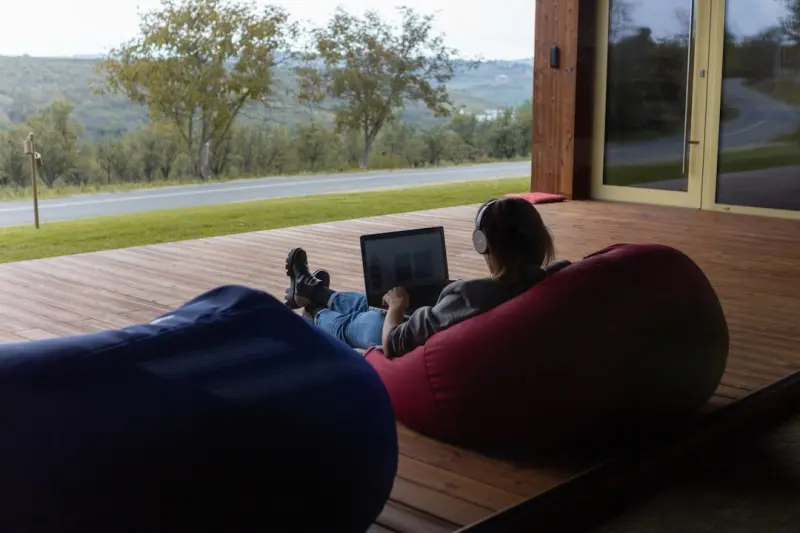
Cottage Comeback: Remote Work Revives Canadian Seasonal Living
Remote work is reshaping Canadian living, turning traditional summer cottages into permanent, eco‑... Read More

Tool Libraries and Shared Workshops: Reinventing Canadian Neighborhoods
Tool libraries are emerging as a powerful way for Canadians to save money, lower their environmental... Read More
Top Posts

Beyond Sightseeing: Crafting Community‑Centric Journeys That Resonate
Megan Morris shares a fresh travel philosophy—moving from sightseeing to community immersion—offering practical steps, tech tools, and real‑world case stu...Read More

When Tariffs Turn Into Everyday Price Tags: A Personal Look at Hidden Costs
A personal dive into the ripple effects of tariffs on everyday purchases, from local artisans to digital subscriptions, with practical tips for consumers and en...Read More

When AI Becomes Your Contract Draftsman: Legal Risks and Opportunities for SaaS Providers
AI drafting tools promise speed for SaaS contracts, but they bring hidden legal risks. This article outlines liability, privacy, regulatory trends, and practica...Read More

Beyond Borders: How Digital Nomad Visas Are Redefining Global Work‑Play Balance
Digital nomad visas are transforming travel by allowing remote workers to live and contribute to host communities for extended periods, creating mutual economic...Read More
0 Comments
Post Comment
You will need to Login or Register to comment on this post!