
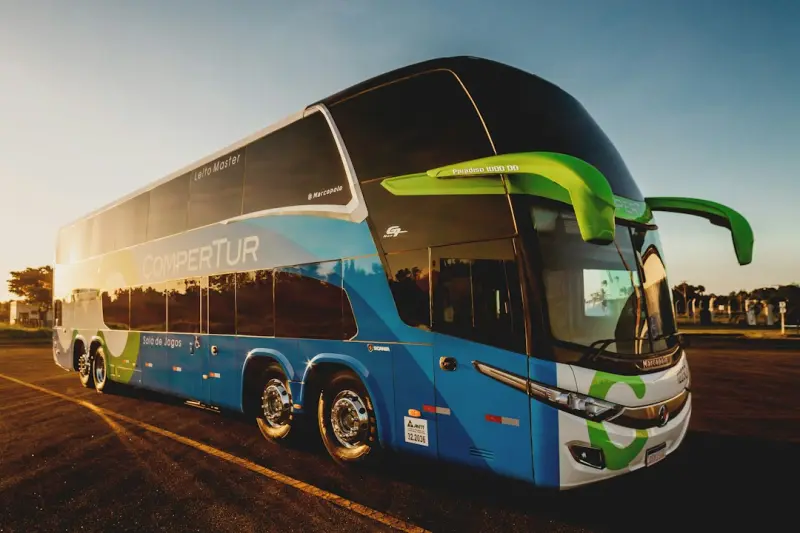
When I first stepped onto a midnight‑decked river cruise and later found myself wedged between strangers on a sleek, electric‑powered coach, I realized that the world of mass‑move travel is quietly undergoing a renaissance. No longer are cruises and bus tours simply “vacations” or “group trips.” They’re becoming dynamic, data‑infused ecosystems that blend community, wellness, and even a dash of remote‑work freedom. In this post I’ll pull back the curtain on three emerging trends that are reshaping the way we think about cruising and bus touring—and why the savvy traveler (and the operators who serve them) should be paying close attention.
The Rise of Hyper‑Personalized Itineraries Powered by Real‑Time Data
Imagine a cruise that adjusts its on‑board activities based on the collective mood of its passengers, or a bus tour that reroutes on the fly to capture a sudden pop‑up street art festival. This isn’t sci‑fi; it’s the new reality enabled by the proliferation of IoT sensors, wearable health trackers, and AI‑driven analytics. Operators are now capturing streams of anonymous data—temperature preferences, step counts, social sentiment from onboard apps—and feeding it into predictive models that tailor every moment of the journey.
- Dynamic dining menus. Instead of a static buffet, chefs receive live feeds about dietary trends among guests (e.g., a spike in plant‑based requests) and can pivot menus in real time.
- Activity scheduling. If a significant portion of travelers log a low heart‑rate during a sunrise yoga session, the ship’s wellness team might extend that class or add a sunrise meditation on the next deck.
- Route optimization for bus tours. Using traffic‑aware AI, coaches can skip congested arteries and instead weave through less‑travelled neighborhoods, delivering “off‑the‑beaten‑path” experiences that feel curated rather than random.
This hyper‑personalization is already being piloted in boutique cruise lines and regional tour operators across North America and Europe. The secret sauce? A robust data pipeline that respects privacy while delivering actionable insights. Speaking of privacy, many operators are looking to frameworks like Zero‑Trust Architecture to ensure that the data they collect never falls into the wrong hands.
Wellness‑Centric Travel: From “Travel‑While‑Working” to “Travel‑While‑Thriving”
Remote work has turned the world into a giant office, but the office is no longer confined to a cubicle. Travelers are demanding experiences that nurture both productivity and well‑being. This has birthed a new class of “wellness‑centric” cruises and bus tours that embed health‑focused amenities into the core itinerary.
Key components include:
- On‑board coworking pods. Quiet, ergonomically designed spaces with high‑speed satellite internet, sound‑masking technology, and adjustable lighting that mimic a sunrise to boost alertness.
- Digital detox zones. Areas deliberately stripped of screens, featuring natural soundscapes, aromatherapy, and tactile experiences like stone‑massage walls.
- Holistic health programming. Daily guided breathwork, nutrition workshops that use locally sourced ingredients, and even “bio‑feedback” sessions where participants can see how their stress levels respond to different activities.
For bus tours, this translates into “well‑being stops” where the coach pulls over at a quiet lakeside park, offering guided meditations or nature walks before continuing the journey. The result is a seamless blend of productivity, relaxation, and adventure—something that traditional travel models rarely achieve.
Regenerative Tourism: Turning the Journey into a Positive Footprint
Carbon‑light travel has been on every eco‑conscious traveler’s radar for years, but the conversation is evolving. The focus is shifting from merely reducing emissions to actively contributing to the health of the destinations visited. This is what I like to call “regenerative tourism.”
On cruise ships, regenerative practices include:
- Marine habitat restoration. Passengers can participate in supervised coral‑planting dives, with the ship’s waste‑management system ensuring that runoff is filtered before it reaches the ocean.
- Local sourcing pledges. Menus are crafted from ingredients harvested within a 30‑kilometer radius, supporting small‑scale farmers and reducing food‑miles.
- Carbon‑offset partnerships. Instead of vague “offset credits,” ships collaborate with community‑led reforestation projects that provide transparent reporting and visitor involvement.
For bus tours, regenerative strategies look a bit different but are equally impactful:
- Community‑driven route design. Operators work with municipal planners to create routes that drive foot traffic to under‑visited neighborhoods, spurring economic activity without overburdening popular tourist hubs.
- Zero‑emission fleets. Many regional tour companies are transitioning to electric or hydrogen‑fuel‑cell coaches, aligning with broader Carbon‑Light Travel initiatives.
- Volunteer‑travel modules. Passengers can spend a few hours each day helping with local environmental projects—tree planting, beach clean‑ups, or even assisting at community gardens.
The key here is intentionality. Regenerative tourism isn’t a marketing gimmick; it’s a measurable set of actions that leaves a net positive imprint on ecosystems and economies alike.
Technology as the Silent Conductor
Behind every smooth, personalized, and regenerative journey lies a sophisticated tech stack. While the traveler sees the polished surface—a sunrise on the deck, a sunrise yoga session, a quiet lake view—the orchestration happens in the background. AI, blockchain, and edge‑computing converge to deliver three core capabilities:
- Predictive demand modeling. By analyzing historical booking data alongside macro trends (e.g., remote‑work adoption rates), operators can forecast cabin occupancy, adjust pricing, and allocate resources with surgical precision.
- Secure, frictionless payments. Leveraging smart contracts on blockchain ensures that every transaction—from a spa treatment to a shore‑excursion ticket—is immutable and instantly reconciled.
- Real‑time compliance monitoring. As regulations around data privacy and environmental reporting tighten, AI‑driven compliance engines alert operators to any deviations, helping them stay ahead of auditors.
All of these capabilities benefit from robust data‑exchange standards that are already proving their worth in other B2B SaaS contexts. For example, the AI‑Driven Tariff Forecasts model shows how predictive analytics can keep businesses nimble amid shifting cost structures—a lesson that translates neatly to the travel industry’s ever‑changing fuel and port‑fee landscape.
What This Means for Travelers and Operators
For travelers: The next time you book a cruise or a bus tour, expect an experience that feels tailor‑made, health‑centric, and purpose‑driven. Your itinerary will likely be fluid, your meals responsive, and your impact on the destination positive.
For operators: Success hinges on three pillars: data governance (think Zero‑Trust), a genuine commitment to regenerative practices, and a tech stack that can deliver real‑time personalization without sacrificing privacy. Those who master this triad will not only attract the modern, conscious traveler but also future‑proof their businesses against regulatory and market shifts.
In short, the evolution of cruises and bus tours is moving from “move‑and‑see” to “move‑and‑meaning.” And as we all know, journeys that enrich both the soul and the planet are the ones people remember—and talk about—for years to come.

Related Posts
Beyond Sightseeing: Turning Cruise Port Stops and Bus Tours into Story‑Rich Adventures
Learn to turn ordinary cruise shore stops and bus routes into vivid, story‑driven experiences—mi... Read More

Turning Travel into a Mobile Innovation Lab
A fresh look at how cruises and bus tours can serve as rolling innovation labs, blending immersive t... Read More

AI‑Crafted Itineraries: How Smart Tech Is Redefining Cruises & Bus Tours
Discover the rise of AI‑driven personalization in cruises and bus tours, from health‑focused iti... Read More
Top Posts

Edible Packaging: The Quiet Revolution Changing What We Eat and Drink
A deep dive into the rise of edible packaging reveals how innovative materials, AI-driven personalization, and zero‑waste mixology are turning containers into...Read More

Seasonal City Sanctuaries: How Canadians Are Bringing Nature Into Urban Life
Canadian cities are turning rooftops, balconies, and vacant lots into seasonal sanctuaries, reconnecting residents with nature’s cycles, fostering local food ...Read More
Micro‑Equity: The Small Stake That Supercharges Talent Retention
Micro‑equity offers a modest ownership slice that transforms employees into partners, driving retention, advocacy, and sustainable growth for businesses....Read More

Functional Foods Unleashed: Ferments, Adaptogens, and Brain‑Boosting Snacks
Explore the power of functional foods—ferments, adaptogens, and brain‑boosting snacks—to elevate gut health, manage stress, and sharpen focus....Read More
0 Comments
Post Comment
You will need to Login or Register to comment on this post!