

Why Telehealth Needs a Community Lens in Canada
When I first stepped into a northern health clinic in Nunavut, the stark contrast between the sleek digital dashboards on the wall and the reality of a 200‑kilometre drive to the nearest specialist was impossible to ignore. The promise of telehealth—instant video calls, AI‑driven triage, and electronic health records—has been trumpeted across the country for years. Yet, the true potential of these tools only surfaces when we anchor them in the lived experiences of the communities they aim to serve. In Canada’s sprawling geography, especially beyond the urban corridors of Toronto and Vancouver, the health ecosystem is a patchwork of cultural, linguistic, and infrastructural nuances. Ignoring those patches leads to a brittle system that collapses under pressure, while embracing them creates a resilient, locally owned network that can adapt to everything from seasonal storms to sudden spikes in demand.
From Bandwidth to Trust: The Dual Pillars of Remote Care
Two forces drive successful telehealth in remote settings: reliable connectivity and community trust. The first is technical, the second emotional. Satellite internet has improved dramatically, yet many Indigenous and northern communities still wrestle with spotty service, especially during winter. I’ve watched families set up makeshift antennas on their porches, turning a living room into an impromptu telemedicine suite. The solution isn’t merely about pouring fibre‑optic cables; it’s about co‑creating infrastructure with the people who will use it. That’s why I keep pointing to community power solutions as a model—when a town collectively invests in its own microgrid, the same collaborative spirit can be applied to broadband, ensuring that the network belongs to the people, not a distant provider.
Trust, on the other hand, is cultivated through cultural safety and representation. A Cree elder speaking in their language on a video call is far more comforting than an English‑only physician who never learned about the community’s healing traditions. When health portals allow patients to select their preferred interpreter, or when clinics hire local health aides to act as digital navigators, the technology becomes an extension of existing support structures rather than a foreign imposition.
Redefining the Provider’s Role: From Gatekeeper to Partner
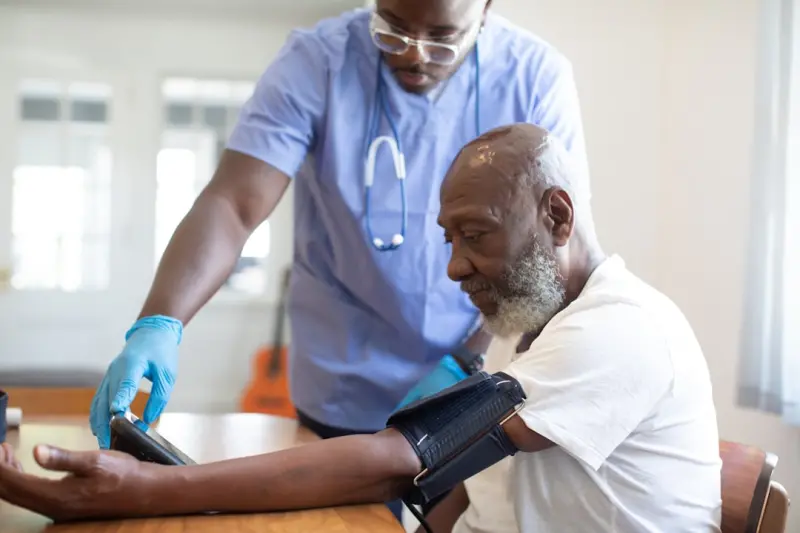
Telehealth forces us to rethink what a “provider” looks like. No longer is the doctor the sole decision‑maker perched behind a desk; the role morphs into that of a facilitator who coordinates a constellation of resources. Imagine a scenario where a community health worker, equipped with a tablet, conducts a preliminary assessment, then seamlessly hands off the case to a specialist in Calgary via a secure video link. The specialist, aware of the patient’s cultural context through notes entered by the local worker, can prescribe a treatment plan that respects traditional medicines while incorporating evidence‑based practices.
This partnership model also opens the door for micro‑movement strategies—small, community‑driven health actions that complement virtual care. A group of seniors might schedule a daily “walk‑and‑talk” session where they meet physically for a short stroll while a remote physiotherapist monitors their form through a wearable. The technology enhances, not replaces, the human connection.
Economic Realities: Telehealth as a Cost‑Balancing Act
One of the biggest misconceptions about remote health services is that they automatically lower costs. While it’s true that patient travel expenses shrink, the hidden expenses of maintaining digital platforms, training staff, and ensuring data security can balloon. Moreover, as the nation grapples with remote‑work cost dynamics, health budgets are under similar scrutiny. Communities must weigh the upfront investment in robust broadband, secure cloud storage, and local tech support against the long‑term savings from reduced emergency evacuations and hospital admissions.
One promising avenue is the “pay‑for‑outcome” model, where funding follows measurable health improvements rather than service volume. For instance, a tele‑rehabilitation program could be financed based on the percentage of participants who achieve mobility milestones within six months, aligning incentives for both providers and patients.
Data Sovereignty: Empowering Indigenous Nations
Data isn’t just a commodity; it’s a reflection of identity, especially for Indigenous peoples whose histories have been marred by data misuse. The principle of data sovereignty—where communities own, control, and decide how their health information is used—has gained traction. In practice, this means building platforms that allow First Nations to store records on locally governed servers, with strict access protocols that respect cultural protocols.
When a community feels ownership over its health data, participation rates climb. People are more likely to share sensitive information, leading to richer datasets that can inform preventative measures tailored to specific environmental exposures, like mercury levels in fish or air quality during wildfire season.
Climate Change: A New Frontier for Telehealth Planning
Canada’s health system is increasingly on the front lines of climate‑related challenges. Heatwaves strain emergency departments, while floods isolate remote clinics. Telehealth offers a flexible buffer: during a flood, a mobile health unit equipped with satellite uplinks can maintain virtual appointments, ensuring continuity of care without the need for risky travel.
However, this requires proactive scenario planning. Health authorities need to map climate risk zones, overlay them with broadband coverage, and prioritize investments where the overlap creates the greatest vulnerability. By doing so, telehealth becomes not just a convenience but a climate‑resilient lifeline.
Training the Next Generation: Digital Fluency for All Ages
Digital literacy is often framed as a youth issue, yet seniors comprise a significant portion of remote health users. Community centres are stepping up, offering “Tech Thursdays” where volunteers teach older adults how to navigate patient portals, adjust video call settings, and use wearable health monitors. These sessions are more than skill‑building; they foster intergenerational bonds and demystify technology, reducing anxiety that might otherwise deter patients from seeking virtual care.
Similarly, medical schools across Canada are integrating telehealth curricula, emphasizing cultural humility, virtual bedside manners, and the technical troubleshooting skills essential for remote practice. Graduates enter the workforce ready to engage with patients across time zones and terrains, rather than feeling overwhelmed by a screen.
Policy Implications: Towards a Federal‑Provincial Telehealth Accord
Canada’s health system is a mosaic of provincial jurisdictions, each with its own funding structures and regulations. This fragmentation hampers the seamless rollout of nationwide telehealth standards. A coordinated federal‑provincial accord could harmonize licensing, reimbursement, and privacy rules, allowing providers to practice across borders without bureaucratic roadblocks.
Such an accord would also address the “digital divide” by earmarking federal funds for infrastructure projects in under‑served regions, much like the investments made for broadband in rural schools. By aligning fiscal policies with health outcomes, Canada can ensure that telehealth does not become a privilege of the urban elite but a universal right.
Measuring Success: Metrics That Matter
Traditional health metrics—hospital readmission rates, mortality, and patient satisfaction—remain crucial, but telehealth demands additional lenses. We should track:
- Digital Engagement Index: frequency of portal logins, video call attendance, and wearable usage.
- Cultural Safety Scores: patient feedback on language services and respect for traditional practices.
- Infrastructure Resilience: uptime of broadband during extreme weather events.
By publishing these metrics publicly, communities can hold providers accountable and celebrate wins, fostering a culture of continuous improvement.
The Road Ahead: A Call to Collaborative Action
The future of Canadian healthcare isn’t a sleek app or a single policy change; it’s an ecosystem where technology, community agency, cultural respect, and climate awareness intersect. As I walk the corridors of a remote health centre, I see the faces of patients who have already benefited from a video consultation that saved them a three‑day journey. I also see the families still waiting for reliable internet. The challenge—and the opportunity—lies in bridging those gaps together.
If we commit to co‑designing telehealth with the very people it serves, to investing in community‑owned power and broadband, to honoring data sovereignty, and to embedding climate resilience into our plans, we will not merely adapt to Canada’s geography—we will transform it into a strength. The next chapter of our health system will be written not just by policymakers and tech vendors, but by the elders, youth, and health workers who have lived the realities of remote Canada for generations. Their voices, amplified through thoughtful telehealth, will ensure that every Canadian, no matter how far north they reside, has access to the care they deserve.

Related Posts

From Snowy Roads to Skies: How Drones Are Redefining Prescription Access in Canada
A deep dive into how regulated cargo drones are overcoming Canada’s geographic challenges to deliv... Read More
Reimagining Patient Access: Community Health Hubs Transform Canadian Care
A deep dive into the rise of community health hubs in Canada, highlighting digital identity integrat... Read More

Reimagining Mental Health Care in Canadian Workplaces
Canadian employers are turning to clinically validated digital therapeutics to address rising mental... Read More
Top Posts

Seasonal Pantry Mastery: Building a Nutrient‑Dense Kitchen for Peak Performance
Discover a step‑by‑step approach to building a seasonal pantry that supports steady energy, mental clarity, and overall health, using preservation methods, ...Read More

Data‑Driven Harvests: Canadian Farmers Embrace the Cloud
A first‑person look at how cloud‑based technology, AI, and cooperative data sharing are transforming Canadian agriculture, delivering higher yields, lower c...Read More

AI‑Powered Contracts: Navigating the Legal Frontier
Discover how AI is transforming contract drafting, the ethical hurdles it creates, and actionable strategies for law firms to adopt technology responsibly....Read More

Conversational Commerce: Turning Chat Into Revenue
Explore the rise of conversational commerce, learn practical integration tips, avoid common pitfalls, and see how chat can become a powerful revenue engine....Read More
0 Comments
Post Comment
You will need to Login or Register to comment on this post!