
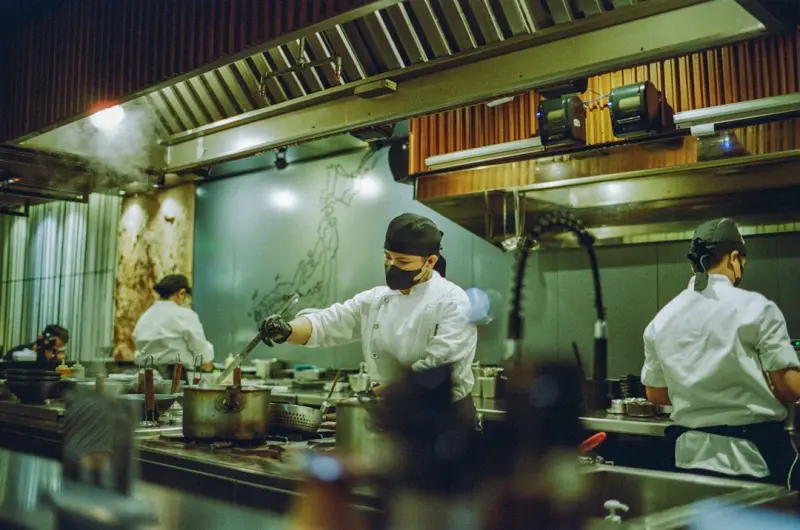
When I first stepped into a pop‑up kitchen tucked behind a laundromat in downtown Toronto, I expected a minimalist menu and a cramped counter. What I found instead was a culinary laboratory where waste vanished, community stories simmered, and every bite felt like a manifesto. This isn’t the next trendy food‑truck or a flash‑in‑the‑pan Instagram stunt; it’s a growing movement that reimagines how we source, prepare, and serve food in dense urban landscapes.
The Zero‑Waste Ethos: More Than a Buzzword
Zero‑waste dining is often reduced to catchy hashtags and Instagram reels of perfectly composted scraps. In reality, it’s a philosophy that asks chefs to interrogate every ingredient’s lifecycle—from seed to plate, and beyond. The goal isn’t just to reduce landfill contributions; it’s to amplify flavor, foster resilience, and build a transparent relationship with diners.
Think about the humble carrot peel. In a conventional kitchen, it becomes a by‑product destined for the trash. In a zero‑waste pop‑up, that peel transforms into a smoky broth, a crisp garnish, or even a natural pigment for a daring cocktail. The same logic applies to stale bread, coffee grounds, or citrus zest. The challenge—and the magic—lies in creativity, logistics, and a willingness to break culinary taboos.
Urban Micro‑Farms: The Freshest Source in Town
One of the biggest hurdles for city‑based chefs is sourcing truly local produce. Traditional supply chains are designed for scale, not for the intimate demands of a ten‑seat kitchen. Enter urban micro‑farms: rooftop gardens, vertical farms, and even windowsill herb boxes that deliver micro‑quantities of hyper‑fresh greens daily.
These farms aren’t just about aesthetics; they’re about control. A chef can dictate the varietal, harvest time, and even experiment with heirloom seeds that would be impossible to find in a bulk market. The result? A menu that evolves with the season in real time, offering diners a taste of the city’s own terroir.
From Scraps to Starters: The Art of Upcycling
Upcycling in the kitchen is akin to jazz improvisation—taking a familiar melody and riffing on it until it feels brand new. A common technique is “nose‑to‑tail” cooking, which, while traditionally associated with meat, has a vegetable counterpart. For example, the core of a broccoli stalk, often discarded, can be thinly sliced, fried, and served as a crunchy “crouton” for soups.
Another favorite of mine is “brine‑reduction sauces.” When a restaurant receives a bulk shipment of olives, the brine is usually poured down the drain. Instead, I collect it, reduce it with a splash of vinegar, and finish with a drizzle of local honey. The result is a complex, salty‑sweet glaze that can elevate a simple grilled tofu cube into a masterpiece.
Technology Meets Tradition (Without the AI Overkill)
While I’m a firm believer in the power of data, I’ve watched the AI‑driven mixology trend veer into novelty territory. The true potential lies in using tech to streamline waste tracking, not replace the chef’s intuition.
Simple tools—like a digital inventory board that logs each ingredient’s weight and expiry date—allow kitchens to plan menus around what’s on hand, minimizing the likelihood of spoilage. Some pop‑ups even use QR codes on plates that let diners see the exact waste footprint of their dish, turning transparency into a point of pride.
Community as Ingredient
Zero‑waste pop‑ups are rarely solo endeavors. They thrive on hyper‑local partnerships: community gardens donate surplus greens, local bakers provide day‑old bread, and neighborhood composters collect organic waste for city farms. This web of collaboration turns a single kitchen into a hub of circular economy.
When I collaborated with a nearby cooperative that rescued “ugly” produce, we created a “Misfit Menu” night. Guests were served dishes built entirely from cosmetically imperfect vegetables—think purple carrots and speckled tomatoes—paired with storytelling about the farmers who grew them. The experience was a reminder that beauty in food is not skin‑deep.
Economic Viability: Turning Frugality Into Profit
Critics often argue that zero‑waste is an unaffordable luxury for small operators. However, the economics can be surprisingly favorable. By sourcing “imperfect” produce at a discount, reducing ingredient costs through upcycling, and eliminating waste disposal fees, many pop‑ups report higher margins than traditional eateries.
Moreover, the narrative itself is a magnetic marketing tool. Diners are increasingly seeking authenticity and sustainability. A menu that openly celebrates its waste‑free ethos can command premium pricing, especially when paired with immersive storytelling.
Regenerative Roots: Learning From the Farm
It’s impossible to discuss zero‑waste without acknowledging the source of our ingredients. The principles of regenerative farming—cover cropping, composting, and biodiversity—feed directly into the kitchen’s waste strategy. When farms return organic matter to the soil, they close the loop before the food even reaches the plate.
Some chefs take this a step further by partnering with farms that practice “closed‑loop” systems, where kitchen scraps are returned to the farm as compost, completing a circular journey. It’s a partnership that blurs the line between producer and consumer, turning the entire food ecosystem into a collaborative organism.
Designing the Space: Minimalism Meets Functionality
Physical layout matters. Pop‑up kitchens often operate out of repurposed spaces—warehouse lofts, vacant storefronts, even shipping containers. The design must facilitate rapid movement of ingredients from storage to prep to plate while keeping waste stations visible and accessible.
A clever trick I’ve seen is the “waste wall”: a series of labeled bins that double as an educational mural. As diners watch chefs deposit scraps, they see the categories—veggies, bones, coffee grounds—each linked to its next life. It’s a visual reminder that nothing truly disappears.
Flavor Innovation Through Constraint
Constraints breed creativity. When you’re forced to work with a limited pantry, you discover flavor pairings you’d never consider. For instance, using the bitter notes of kale stems as a base for a miso‑glazed tofu dish, or turning over‑ripe bananas into a caramel‑rich sauce for pork belly.
These experiments often lead to signature dishes that become the pop‑up’s trademark. My personal favorite is “Charred Citrus Dust,” made from the zest of citrus fruits that have been dehydrated and lightly torched. It adds a smoky brightness to everything from salads to seafood, and it’s entirely made from what would otherwise be waste.
Educating the Palate: A Culinary Dialogue
Zero‑waste pop‑ups don’t just serve food; they spark conversation. I make a habit of sharing a short “waste story” at the start of each service—how today’s carrot tops became a broth, how yesterday’s coffee grounds will feed tomorrow’s seedlings. This narrative turns the meal into an interactive lesson, encouraging diners to think about their own consumption habits.
In fact, diners often leave with ideas for their home kitchens—like turning vegetable peels into stock or composting coffee grounds. The ripple effect extends far beyond the restaurant walls, planting seeds for broader cultural change.
Looking Ahead: Scaling the Movement
The future of zero‑waste dining isn’t limited to pop‑ups. I envision a network of micro‑kitchens linked by a shared digital platform that tracks waste, coordinates surplus sharing, and highlights seasonal produce. Think of it as a culinary Uber for leftovers, where chefs can instantly request or offer ingredients that would otherwise be discarded.
Such a system could democratize access to high‑quality, sustainable food, allowing even small community centers to host pop‑up events without the fear of excess waste. It also creates a data set that could inform policy—showing municipalities the tangible impact of waste reduction at the grassroots level.
At its core, the zero‑waste pop‑up movement is a rebellion against the throwaway culture that has dominated our food systems for decades. It’s an invitation to chefs, farmers, and diners alike to see value where we once saw trash. By embracing constraints, leveraging technology responsibly, and weaving community into the very fabric of the menu, we can craft meals that nourish both body and planet.
If you’re curious about how other culinary innovators are turning constraints into creativity, you might enjoy exploring the world of micro‑foraging. While it focuses on wild edibles, the underlying principle—finding treasure in the overlooked—mirrors the zero‑waste ethos perfectly.

Related Posts
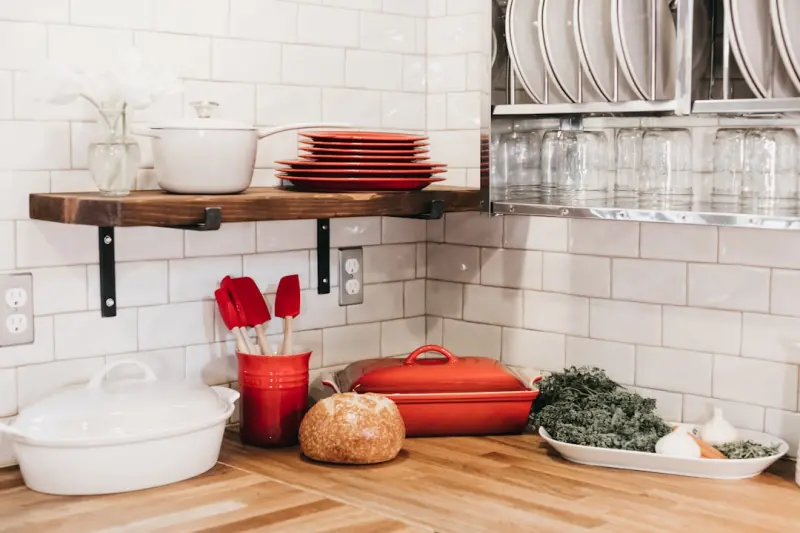
Zero‑Waste Kitchen Hacks That Are Changing How We Dine
Discover how fermentation, smart tech, and simple home hacks are turning kitchen scraps into culinar... Read More
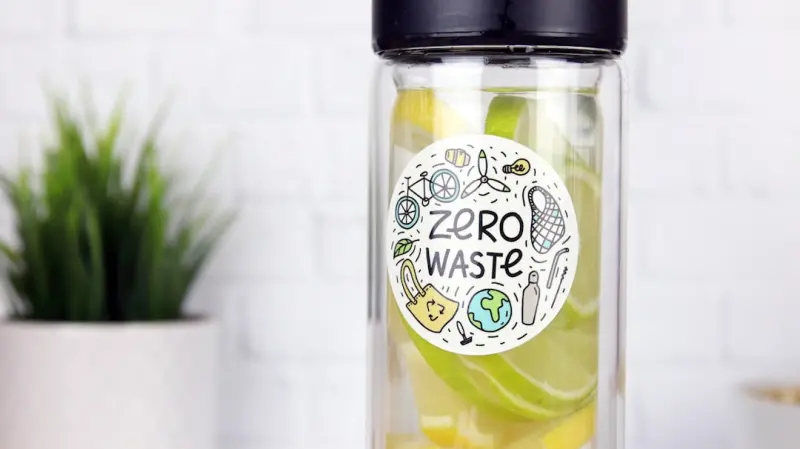
Zero‑Waste Home Mixology: Turning Kitchen Scraps into Craft Cocktails
Learn to turn everyday kitchen leftovers into flavorful, eco‑friendly cocktails with simple infusi... Read More
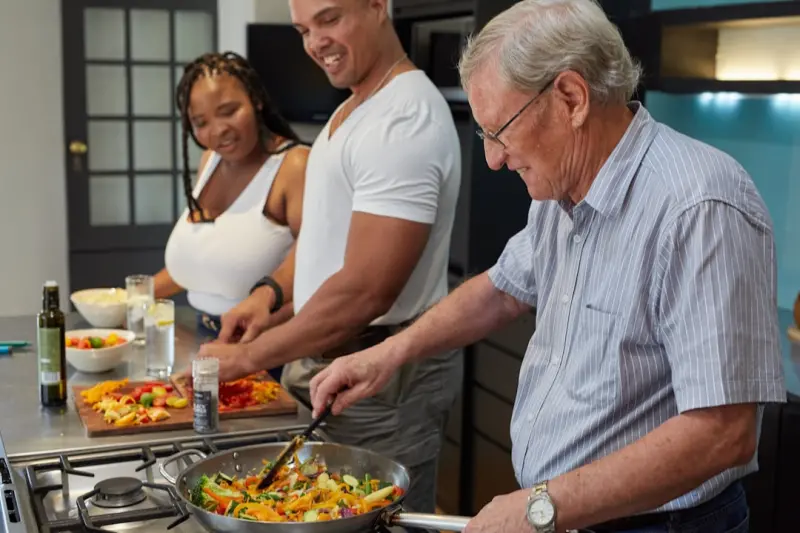
The Secret Sauce: How Storytelling Is Turning Meals Into Viral Experiences
Ann Cinzar explores how powerful food stories—from balcony gardens to AR‑enhanced menus—are tu... Read More
Top Posts

Beyond the Horizon: Turning Cruises and Bus Tours into Innovation Labs
Explore a proven framework that turns cruises and bus tours into high‑impact innovation labs, boosting idea generation, cross‑functional collaboration, and ...Read More

National Hackathons Powering Climate Innovation
A new wave of nationwide hackathons is uniting tech talent, policymakers, and local communities to create climate‑focused solutions that are practical, scalab...Read More

The Quiet Revolution: Turning Wearables into Your Personal Health Coach
Discover how everyday wearables can become a personalized health coach, empowering you with data-driven insights, privacy safeguards, and practical steps to imp...Read More
The Impact of Tariffs on Rural Communities: A Call for Change
The impact of tariffs on rural communities has been significant, with far-reaching consequences for the economy, agriculture, and rural development. Learn more ...Read More
0 Comments
Post Comment
You will need to Login or Register to comment on this post!