
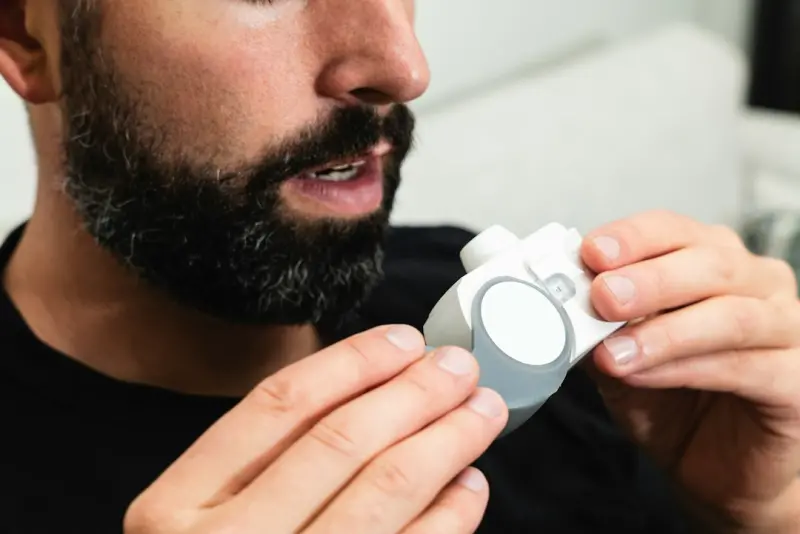
Imagine walking into a coffee shop, sitting at a desk, or even lounging on your couch, and without lifting a finger you receive personalized health insights—your heart rate, stress level, posture, and even early warnings of potential illness are all being quietly measured by the environment around you. This isn’t a scene from a sci‑fi novel; it’s the emerging reality of ambient health technology. Over the past few years, sensors have shrunk from clunky laboratory equipment to near‑invisible devices that blend into walls, fabrics, and furniture. As a health enthusiast who’s always on the lookout for the next frontier in wellness, I’m thrilled to unpack how these silent sentinels are reshaping preventive care, workplace wellbeing, and our everyday relationship with our bodies.
From Gimmick to Game‑Changer: The Evolution of Ambient Sensors
The journey began with the early Internet of Things (IoT) devices—smart thermostats, connected refrigerators, and wearable fitness trackers. While useful, they required active engagement: you had to check an app, remember to wear a band, or manually input data. The next wave, however, leans on passive data capture. Sensors embedded in paint, carpet, and even air vents continuously monitor physiological signals such as heart rate variability (HRV), skin temperature, and ambient CO₂ levels that correlate with respiratory health.
What truly sets ambient health tech apart is its ability to contextualize data. A wearable can tell you you walked 5,000 steps, but an ambient sensor array can combine that step count with indoor air quality, lighting, and even the acoustic profile of your environment to determine whether those steps translated into genuine recovery or added stress. The result is a holistic health portrait that evolves in real time.
Why Ambient Health Matters: The Shift to Preventive Wellness
Traditional healthcare has long been reactive: you feel ill, you see a doctor, you get treatment. Ambient health technology flips that script. By continuously monitoring subtle physiological shifts, the system can flag a deviation before symptoms manifest. Think of it as a “digital immune system” that alerts you to the early stages of a viral infection, chronic inflammation, or even mental fatigue.
Consider the case of chronic stress. Research shows that sustained elevated cortisol can impair immune function, increase blood pressure, and accelerate aging. Ambient sensors that detect elevated skin conductance paired with noisy acoustic environments can alert users to take a micro‑break, practice breathing exercises, or adjust lighting—interventions that mitigate stress before it becomes chronic.
Beyond individual benefits, the collective data—properly anonymized—creates a macro‑level view of public health trends. Cities could monitor the spread of flu-like symptoms in real time, enabling rapid public health responses. This vision aligns closely with the principles outlined in the national data commons, where shared datasets drive smarter policies and community health initiatives.
Workplace Wellness Reimagined
Corporate wellness programs have traditionally relied on annual health screenings and occasional fitness challenges. Ambient health tech introduces a continuous, data‑driven approach that respects employee privacy while fostering a culture of proactive health.
- Ergonomic Insight: Pressure sensors in office chairs can detect slouching or prolonged static posture, prompting ergonomic adjustments or stretch reminders.
- Environmental Quality: Air quality sensors track VOCs and particulate matter, automatically adjusting HVAC systems or alerting occupants to open windows.
- Focus Optimization: Light sensors gauge circadian‑friendly lighting levels, while ambient sound monitors ensure that noise doesn’t exceed thresholds that impair concentration.
Companies that integrate these insights often see reduced sick days, higher employee satisfaction, and a measurable boost in productivity. The key is transparency: employees must understand what data is collected, how it’s used, and retain control over personal insights.
Home Sweet Health: Ambient Tech in Everyday Living
At home, ambient health devices can transform ordinary rooms into wellness hubs. Imagine your bedroom walls embedded with low‑frequency vibration sensors that detect restless tossing and turning. The system could then dim lights, play soothing binaural beats, and adjust the room temperature to promote deep, restorative sleep.
In the kitchen, smart countertops can analyze the nutritional composition of meals by scanning plate contents, providing instant feedback on macro‑ and micronutrient balances. While this may sound reminiscent of the breakfast biohack, the ambient approach takes it further by integrating data from your sleep patterns, activity levels, and stress metrics to suggest the optimal breakfast for that specific day.
Even your bathroom can become a health sanctuary. Moisture sensors track shower duration and temperature, linking this data with skin hydration levels to suggest personalized skincare regimens.
Privacy, Ethics, and the Human Touch
With great data comes great responsibility. Critics raise legitimate concerns about surveillance, data ownership, and algorithmic bias. The path forward hinges on three pillars:
- Informed Consent: Users must receive clear, jargon‑free explanations of what is being measured and why.
- Data Minimization: Collect only what’s essential for the intended health outcome, and store it securely.
- Human Oversight: Automated alerts should always be coupled with the option to consult a healthcare professional, ensuring that technology augments—not replaces—human judgment.
Industry groups are already drafting standards, and governments are considering regulations that balance innovation with privacy. The future will likely see “privacy‑by‑design” baked into every sensor, much like encrypted communication is now a default in messaging apps.
Integrating Ambient Health with Existing Wellness Strategies
For individuals already practicing mindfulness, regular exercise, or nutritional tracking, ambient health technology acts as a reinforcement layer. It can validate the effectiveness of a new yoga routine by correlating reduced HRV with practice frequency, or confirm that a dietary shift is positively influencing sleep quality.
Moreover, the data can feed into existing health apps, creating a unified dashboard that pulls from wearables, manual logs, and ambient inputs. This convergence eliminates the need to juggle multiple platforms and provides a clearer narrative of your wellness journey.
Challenges on the Horizon
While the promise is compelling, several hurdles remain:
- Interoperability: Devices from different manufacturers must speak a common language to aggregate data meaningfully.
- Signal Noise: Ambient environments are dynamic; distinguishing meaningful health signals from background fluctuations requires sophisticated algorithms.
- Cost Barriers: Early adopters may face higher upfront costs, though economies of scale are expected to drive prices down.
Addressing these challenges will require collaboration across tech firms, healthcare providers, and policymakers—a cooperative spirit reminiscent of the shared workshops movement that has already proven the power of community‑driven innovation.
Looking Ahead: The Future of Ambient Health
In the next five years, we can anticipate three major trends:
- Hyper‑personalized Interventions: AI will translate raw sensor data into tailored recommendations—think micro‑nutrient supplementation timed to your circadian rhythm.
- Community Health Networks: Neighborhoods will share anonymized health metrics, enabling localized health alerts (e.g., pollen spikes, flu hotspots).
- Zero‑Touch Diagnostics: Sensors embedded in public spaces could detect early signs of infectious disease, prompting rapid testing without the need for individual appointments.
These advances will blur the line between environment and health, making wellness an integral, effortless part of daily life. The most exciting part? We’re still at the dawn of this transformation. The devices you see on the market today are merely the prototypes of a future where health is as ambient as the air we breathe.
Whether you’re a tech‑savvy early adopter, a corporate wellness leader, or simply someone curious about making health less of a chore, keep an eye on the silent sensors that are beginning to hum around you. They’re not just measuring—they’re guiding you toward a healthier, more resilient you.

Related Posts
Why Digital Detox Is the New Power Play for Modern Professionals
A practical guide to mastering digital detox, featuring micro‑reboots, tech‑free zones, and real... Read More

Micro‑Wellness: Tiny Daily Actions That Redefine Health
Micro‑wellness shows that a few seconds of focused breathing, brief stretches, and smart food pair... Read More

Breathing Into Better Health: A Practical Guide to Everyday Breathwork
Explore the science behind breathwork and learn practical techniques that fit seamlessly into your d... Read More
Top Posts

Reclaiming Canada’s Voice: A Personal Journey into Language Revival
A personal look at Canada’s linguistic renaissance, uncovering how grassroots efforts, tech tools, and new policies are reviving languages that define our nat...Read More

A National Skills Renaissance: Building Canada’s Future‑Ready Workforce
Canada is on the brink of a National Skills Renaissance, a coordinated effort to upskill workers for AI, green tech, and emerging industries. This post outlines...Read More

From Memory Capsules to Live Soundtracks: Reinventing Prom & Graduation Moments
Discover innovative ideas for prom and graduation, from DIY memory capsules and curated soundtracks to sustainable décor and alumni collaborations, turning the...Read More

Fermenting the Future: AI, Data, and the New Wave of Craft Beverages
A deep dive into how artificial intelligence and real‑time data are revolutionizing craft beverages—from precision fermentation and personalized flavor prof...Read More
0 Comments
Post Comment
You will need to Login or Register to comment on this post!