

Why Canada’s Family Farms Are the Unsung Heroes of a Resilient Food System
When you picture the future of agriculture, you might imagine towering silos, autonomous tractors, or sprawling greenhouse complexes. Those images are captivating, but they miss the beating heart of Canada’s food future: the multigenerational family farms that dot our prairies, valleys, and coastal plains. These farms are not just producers; they are cultural custodians, climate stewards, and community anchors. In a world where supply chains wobble and extreme weather events become the norm, the quiet endurance of family farms is emerging as a powerful counter‑balance, shaping a food system that is both adaptable and locally grounded.
The Legacy of Land Stewardship and Its Modern Rebirth
For decades, family farms have relied on a deep, place‑based knowledge passed down through generations. This intuition—knowing when the soil is ready for planting, how to read the sky for frost warnings, or the best way to rotate crops to keep pests in check—has kept Canadian agriculture productive even before the era of satellite imaging. Today, that legacy is being revitalized with a renewed focus on regenerative practices. Farmers are planting cover crops, integrating livestock to cycle nutrients, and adopting no‑till methods that lock carbon into the earth. These strategies do more than boost yields; they restore biodiversity, improve water retention, and create a buffer against the erratic climate patterns that threaten conventional farming.
Community‑Centric Business Models: From CSA to Farm‑Based Co‑ops
Resilience isn’t just about soil health; it’s also about economic health. Many family farms are pivoting from pure commodity production to community‑supported agriculture (CSA) models, direct‑to‑consumer sales, and cooperative marketing initiatives. By shortening the supply chain, they keep a larger share of revenue in the local economy and forge stronger relationships with the people who eat their food. In some regions, farms have banded together to form co‑ops that collectively purchase equipment, negotiate better freight rates, and share processing facilities. This collaborative approach reduces overhead, spreads risk, and builds a network of mutual aid that can spring into action when a storm or market shock hits.
Financing the Future: Innovative Funding Pathways for Family Farms
One of the biggest hurdles for the next generation of farm owners is access to capital. Traditional banks often view small‑scale agriculture as high‑risk, especially when climate volatility is factored in. To bridge this gap, a growing number of provinces have introduced green loan programs, climate‑adaptation grants, and low‑interest credit lines tailored for regenerative projects. Additionally, private impact investors are increasingly looking for “soil carbon” credits and other ecosystem services as return vehicles. These financial tools empower families to invest in soil health, renewable energy installations, and diversified crop rotations without sacrificing their long‑term viability.
Technology as an Enabler, Not a Replacement
While the headline‑grabbing story of “farm tech” often focuses on drones and AI, many family farmers are leveraging technology in subtle, farmer‑centric ways. Precision mapping tools help them apply inputs only where needed, conserving both money and the environment. Simple mobile apps track livestock health, irrigation schedules, and market prices, allowing owners to make data‑informed decisions without abandoning their intuitive touch. For those curious about how Canadian agriculture is marrying tradition with innovation, the piece From Soil to Silicon: How Canadian Farmers Are Crafting the Future of Food offers a broader look at the tech wave sweeping the sector.
Building Mental Resilience: The Farmer’s Well‑Being
Beyond the physical challenges of planting and harvesting, the mental load of farm life has long been under‑acknowledged. Isolation, unpredictable weather, and market pressures can take a toll on mental health. Across the country, peer‑support groups, farm‑focused counseling services, and community gatherings are emerging to address this hidden crisis. Some provinces have launched “farm mental health days,” granting farmers a statutory right to take a brief respite without penalty. By normalizing conversations around stress and offering tangible resources, the agricultural community is strengthening the emotional backbone that sustains the land.
Indigenous Partnerships and Shared Stewardship
Respectful collaboration with Indigenous peoples is reshaping how land is managed in Canada. Many family farms sit on territories with rich Indigenous histories and traditional ecological knowledge (TEK). By forming partnerships—whether through shared stewardship agreements, joint research projects, or cultural exchange programs—farmers gain access to centuries‑old insights about fire regimes, wild‑flower corridors, and waterway health. These alliances not only enhance biodiversity but also honor the cultural narratives woven into the very soil they cultivate.
Education, Advocacy, and the Next Generation
The future of resilient farming hinges on a pipeline of informed, passionate young people. Schools in rural districts are integrating agricultural literacy into their curricula, while university programs are expanding courses on agroecology and sustainable business models. Moreover, policy advocacy groups are lobbying for fairer trade terms, stronger farm safety nets, and more inclusive land‑transfer policies that make it easier for younger families to inherit and sustain farms. In this context, the collaborative data‑gathering movement highlighted in Citizen Science: Canada’s Quiet Data Engine Shaping the Nation provides a template for how grassroots data can inform policy and empower farmers with a collective voice.
What a Resilient Future Looks Like
Imagine a Canada where a family farm in the Maritimes supplies fresh, low‑carbon seafood to a nearby urban CSA, while a prairie grain operation rotates beans and cover crops that feed both the soil and a local food‑processing co‑op. Picture farm families gathering each spring for a “soil health festival” where they exchange seed varieties, share climate adaptation stories, and celebrate the land that sustains them. This mosaic of locally rooted, financially diversified, and ecologically mindful farms would not only safeguard food security but also nurture community identity and environmental health.
Taking the First Step: How You Can Support Family Farms Today
Whether you’re a consumer, a policymaker, or an aspiring farmer, there are concrete ways to bolster this resilient wave. Choose locally produced foods, join a CSA, or attend a farm open house. Advocate for agricultural policies that fund regenerative practices and mental‑health services. If you own land, consider leasing or partnering with a family farm to keep the acreage productive. Every small action contributes to a larger tapestry of resilience, ensuring that Canada’s family farms continue to feed the nation—and the planet—for generations to come.

Related Posts
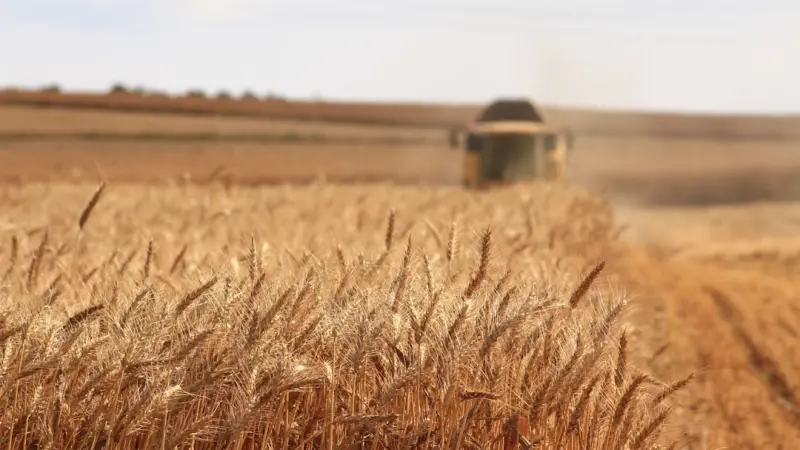
Harvesting Power: How Canadian Farmers are Turning Renewable Energy into a Competitive Edge
Canadian farmers are embracing renewable energy—solar panels, wind turbines, and bioenergy—to cu... Read More
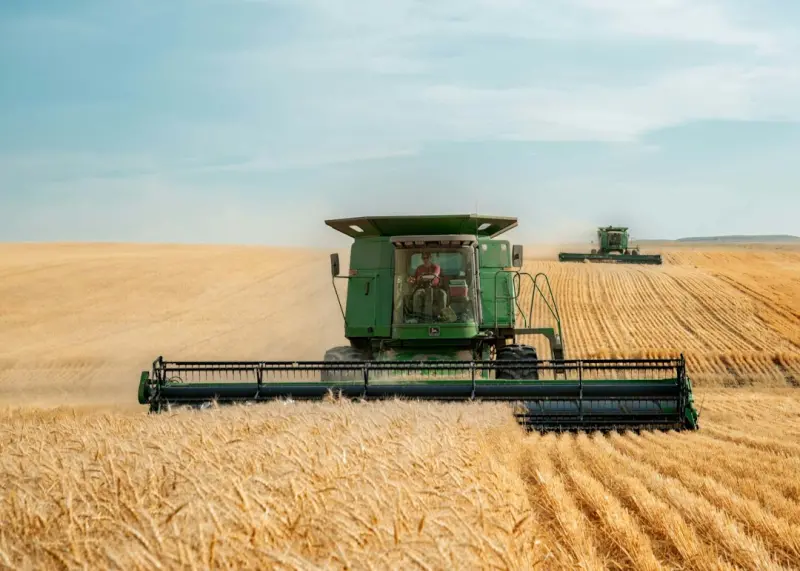
Harvesting Light: How Canadian Farmers Are Powering Their Future with Renewable Energy
Canadian farmers are turning to renewable energy—solar panels, wind turbines, and biogas—to lowe... Read More
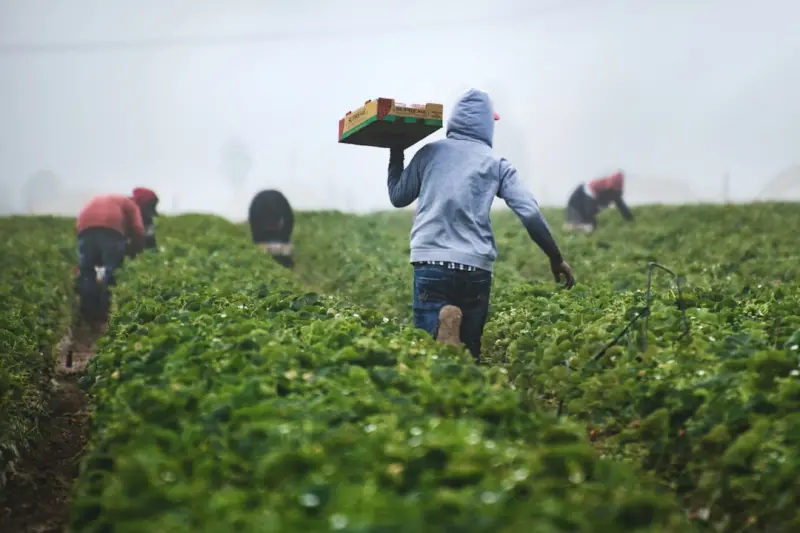
Beyond the Fields: A Farmer’s Journey to Resilience and Innovation
From soil health to AI tools, Canadian growers are redefining farming by embracing regenerative meth... Read More
Top Posts

The Unseen Struggles of Canadian Parents: A Call for Change
Canadian parents are facing unprecedented mental health challenges. Learn how we can prioritize their well-being and create a brighter future for all....Read More

Exploring Eastern Ontario: Your Ultimate Summer Road Trip Guide
As the days grow longer and the sun warms the air, a familiar longing sparks within us: the call of the open road. This summer, imagine trading the everyday for...Read More

Co‑Living: The New Economics of Urban Affordability
Co‑living transforms high urban rent into shared savings while fostering community, tech integration, and sustainability—offering a fresh, affordable way to...Read More
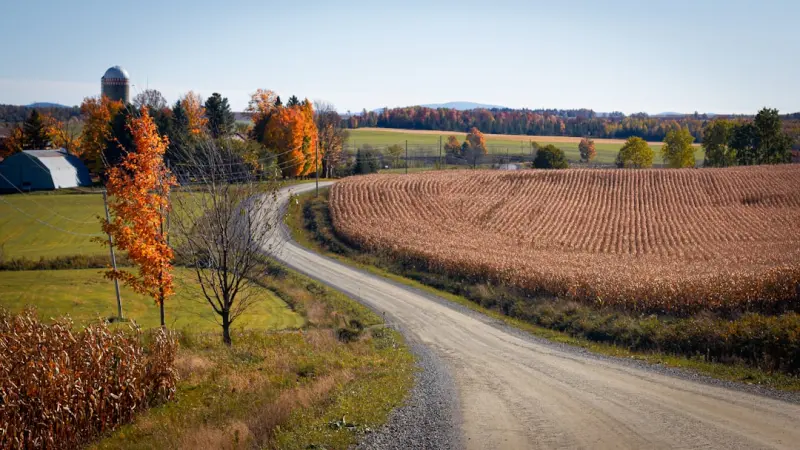
From Fields to Experiences: How Canadian Farmers Are Turning Their Land into Destination Adventures
Explore the rise of agri‑tourism in Canada, where farms become immersive destinations offering hands‑on experiences, sustainable practices, and new revenue ...Read More
0 Comments
Post Comment
You will need to Login or Register to comment on this post!