
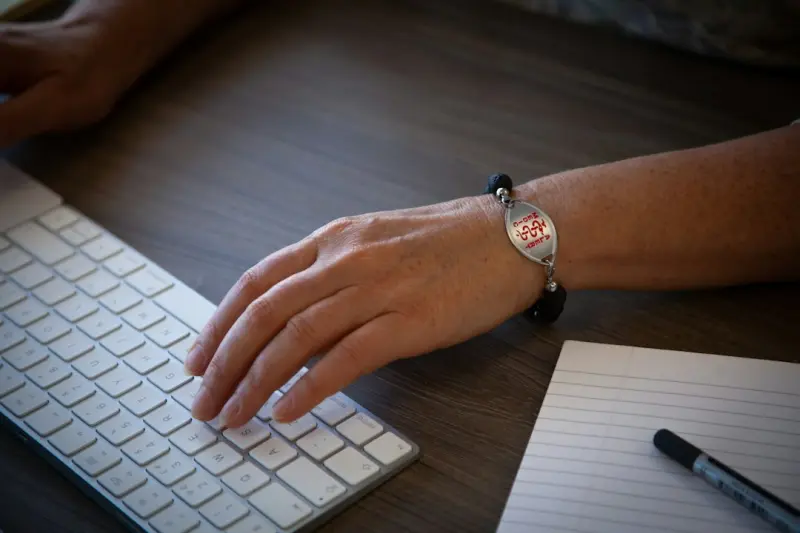
Why Your Wristwatch Is About to Become Your Health Coach
When I first slipped a sleek, silver band onto my wrist to track my steps, I thought I was joining the “just‑track‑your‑walks” crowd. Fast forward a few months, and that same device now whispers me reminders to breathe, nudges me to stretch during a marathon Zoom call, and even predicts when my next cold might hit. The era of passive health tracking is over; we’re entering a world where wearable biofeedback is the silent partner in every health decision we make.
The Biofeedback Revolution: From Fancy Gadgets to Everyday Essentials
Wearable tech used to be the domain of elite athletes and early‑adopter tech‑savvy millennials. Today, a virtual reality pain therapy trial in a community clinic is being complemented by a smartwatch that alerts users to subtle shifts in heart‑rate variability (HRV) that could signal the onset of stress. The hardware has become cheaper, the sensors more sophisticated, and the data pipelines faster. What that means for you, the everyday professional, is a cascade of real‑time insights that were once only available in a lab.
Real‑Time Metrics That Actually Matter
- Heart‑Rate Variability (HRV): A window into your autonomic nervous system. Low HRV can flag chronic stress before you even feel it.
- SpO₂ Saturation: Not just for mountaineers—subtle drops during the day can hint at sleep‑disordered breathing.
- Skin Conductance: Your body’s electrical response to emotional arousal, useful for spotting anxiety spikes.
- Temperature Trends: A rising baseline can be an early fever warning, even before you notice a sore throat.
Each of these signals feeds into AI‑driven dashboards that translate raw numbers into simple, actionable prompts: “Take a 60‑second breath exercise,” “Stand up and stretch,” or “Log a hydration break.” The key is that the guidance is context‑aware, considering your calendar, recent activity, and even your typical sleep patterns.
From Data to Decisions: The New Health Loop
Imagine this scenario: It’s 10 am, you’re deep in a client presentation, and your smartwatch vibrates. Your HRV has dipped below your personal baseline, and the ambient temperature in your home office has risen slightly—an early sign of dehydration. The device suggests a two‑minute “micro‑movement” break combined with a sip of water. You comply, and your HRV rebounds within minutes. The loop has closed: data collection → insight → micro‑action → measurable outcome.
That micro‑action isn’t just a feel‑good gesture. Studies show that brief, intentional pauses can reset cortisol levels and improve focus for the next hour of work. It’s a feedback loop you can trust because it’s built on your own physiology, not on generic “take a break every hour” advice.
The Science Behind Micro‑Movements and Micro‑Breaths
Research from the Journal of Occupational Health (2022) demonstrated that a 90‑second guided breathing exercise, performed three times a day, reduced self‑reported stress by 27 % in remote workers. Combine that with a 2‑minute stretch series—neck rolls, shoulder shrugs, ankle circles—and you have a protocol that can be delivered directly from the wristband’s companion app. The science is simple: short bursts of movement activate the parasympathetic nervous system, counteracting the sympathetic overload that many of us experience during back‑to‑back virtual meetings.
Personalization: Your Body, Your Baseline
One of the biggest misconceptions about wearable health tech is that “one size fits all.” The reality is the opposite. Your baseline HRV at age 30 looks nothing like your baseline at age 45. Your skin conductance response to coffee will differ from your partner’s. The next generation of wearables uses machine learning to create a dynamic, evolving profile for each user. Over weeks, the algorithm learns what a normal day looks like for you—taking into account your work schedule, exercise routine, and even your typical stress triggers—and flags deviations that matter.
Integrating Wearables with Traditional Health Practices
While the hype around gadgets can be dizzying, they’re most powerful when they complement, not replace, established health practices. For example, pairing a wearable’s sleep stage data with the nutrient‑focused kitchen hacks you already employ can fine‑tune your evening meals for better recovery. If your device notes fragmented REM cycles, you might experiment with magnesium‑rich foods or adjust your caffeine cutoff.
Another emerging synergy is between wearables and tele‑health platforms. Your clinician can receive a concise weekly report—HRV trends, SpO₂ averages, activity levels—allowing them to focus the visit on deviations rather than spending time pulling raw data from you. This collaborative model is already being piloted in several forward‑thinking health systems, and it promises to make appointments more efficient and outcomes more measurable.
Privacy, Ethics, and the Data Dilemma
All this data is a double‑edged sword. While the insights are valuable, the responsibility to protect personal health information (PHI) rests on both manufacturers and users. Look for devices that employ end‑to‑end encryption and give you control over who can access the data. Transparency reports from major brands now detail how they anonymize and aggregate data for research—an encouraging trend, but still one that requires vigilance.
Ethically, we must also ask: Are we becoming overly dependent on our gadgets for decisions that our bodies used to make intuitively? The goal isn’t to outsource every feeling to a screen, but to augment our self‑awareness. The best outcomes arise when the technology serves as a coach, not a commander.
Practical Tips to Maximize Your Wearable’s Impact
- Set Realistic Alerts: Too many notifications can lead to alert fatigue. Choose one or two key metrics (e.g., HRV and hydration) and let the device focus on those.
- Define Personal Goals: Whether it’s improving sleep latency or reducing midday stress spikes, articulate a clear objective and let the AI tailor its suggestions.
- Pair with a Habit‑Stacking Routine: Link a wearable prompt to an existing habit—like “after I finish my coffee, I’ll do a 60‑second breath exercise.”
- Review Weekly Trends: Instead of obsessing over minute‑by‑minute fluctuations, look at patterns over days. This helps differentiate true stressors from random noise.
- Share Wisely: If you’re comfortable, share a summary with your healthcare provider, especially if you notice persistent anomalies.
The Future: Predictive Health and Proactive Prevention
We’re on the cusp of moving from reactive to proactive health management. Imagine a system that not only alerts you to a rising temperature but also cross‑references local epidemiological data, your recent travel history, and your personal immune profile to suggest a pre‑emptive flu shot reminder. Or a wearable that detects early signs of atrial fibrillation and triggers an immediate tele‑consultation, potentially saving lives.
These capabilities will become mainstream as the national health‑tech safety net expands and integrates with personal devices. The line between individual health monitoring and public health surveillance is blurring—in the best possible way—creating a feedback loop that benefits both the individual and the community.
Takeaway: Embrace the Wrist‑Bound Coach, But Keep Your Inner Voice
Wearable biofeedback isn’t a magic wand; it’s a sophisticated mirror that reflects what’s happening under the surface. Use it to catch stress before it spikes, to fine‑tune your nutrition, and to stay a step ahead of illness. But remember that the most reliable health compass is still the one you develop within yourself—mindful breathing, intuitive movement, and listening to your body’s cues. Let the technology amplify, not replace, that inner wisdom.
So, the next time your smartwatch buzzes, pause, breathe, and ask yourself: “What is my body trying to tell me right now?” The answer, backed by data, might just be the nudge you need to thrive in a hyper‑connected world.

Related Posts
Breathe Better at Home: A Practical Guide to Clean Indoor Air
Indoor air quality often goes unnoticed, yet it profoundly impacts sleep, immunity, and respiratory ... Read More
Unplug to Recharge: Mastering the Digital Detox for Real Health Gains
A deep dive into the science of digital overload and a practical, data‑driven framework for a sust... Read More

Playful Movement: How Everyday Joy Can Rewire Your Health
Explore the transformative power of playful movement—simple, joyful activities that improve fitnes... Read More
Top Posts

The 10 most beautiful activities to enjoy this summer in Quebec
Discover the 10 most beautiful activities to enjoy this summer in Quebec, from whale watching in Tadoussac to the vibrant festivals of Montreal. Plan your perfe...Read More

The Flavors of Community: How Local Food Can Bring People Together
Local food systems have the power to bring people together and promote community development. By supporting local farmers and producers, we can help to build a ...Read More

Nature‑Infused Breathwork: Rewiring Your Body’s Stress Response
Explore a fresh health practice that combines mindful breathing with nature’s healing power, offering a portable tool to reduce stress and enhance well‑bein...Read More

Ontario’s Secret Night Fishing Corridors: A Guide for the Modern Angler
Explore Ontario’s best night‑fishing locations, essential gear, sustainable practices, and data‑driven tools to make your after‑dark angling trips both ...Read More
0 Comments
Post Comment
You will need to Login or Register to comment on this post!