

Traveling Like a Scientist: Citizen‑Science Expeditions Are Redefining Vacation Culture
When I booked my first “research‑style” getaway two years ago, I didn’t expect it to become a compass for my entire travel philosophy. I was a marketing strategist who spent most of my time chasing KPIs, and the idea of swapping conference rooms for field notebooks felt oddly liberating. The trip was a week‑long marine biodiversity survey off the coast of Nova Scotia, coordinated by a non‑profit that partners with tourists to collect data on local ecosystems. What started as a novelty turned into a revelation: the act of contributing real, usable science can transform a vacation from a passive escape into an active, purpose‑driven adventure.
Since then, the citizen‑science travel model has exploded across continents, disciplines, and platforms. From tracking migratory birds in the Patagonian Andes to cataloguing urban pollinator populations in Montreal’s downtown core, travelers are increasingly looking for experiences that let them leave a measurable imprint on the places they visit. This isn’t just a fleeting trend; it’s a fundamental shift in how we define “meaningful travel.” In this post, I’ll unpack why this movement is gaining momentum, how technology is lowering the barrier to entry, and what you can do to become a traveling researcher without a PhD.
The Psychology Behind Contributing While Exploring
Traditional tourism often follows a consumption model: you spend money, you receive a service, and you leave with memories (and sometimes a souvenir). Citizen‑science travel flips that equation. Instead of being a passive consumer, you become a co‑creator of knowledge. The psychological payoff is twofold.
- Purposeful Engagement. Studies in positive psychology show that activities that align personal values with tangible outcomes boost wellbeing. Knowing that the data you collect will help protect a coral reef or inform a city’s green‑space plan gives the trip a lasting sense of accomplishment.
- Social Identity Fusion. When you work side‑by‑side with locals and scientists, you start to see yourself as part of a larger community. This “identity fusion” can increase your commitment to sustainable practices long after the vacation ends.
These motivations are why many travelers are swapping out all‑inclusive resort packages for projects that promise a deeper connection to place and people.
Technology: The Great Enabler
The rise of smartphones, low‑cost sensor kits, and cloud‑based data platforms has democratized data collection. In the past, citizen‑science projects required expensive equipment and a steep learning curve. Today, a traveler can download an app, follow a brief tutorial, and start contributing meaningful data points within minutes.
One standout example is the integration of tech‑enhanced nature excursions. Mobile applications now guide users through standardized sampling protocols for everything from water quality to insect counts. The data syncs automatically to central databases, where professional researchers can validate and incorporate it into larger studies.
Artificial intelligence also plays a role. Some platforms use AI to auto‑identify species from photographs, reducing the need for expert verification. This speeds up the feedback loop, allowing participants to see the impact of their contributions in near‑real time.
Types of Citizen‑Science Travel Experiences
Whether you’re a solo backpacker, a family on vacation, or a corporate team looking for a team‑building retreat, there’s a citizen‑science niche that can fit your style.
Marine Monitoring Adventures
Coastal regions worldwide are hosting “reef‑watch” programs where divers record coral health, fish counts, and water temperature. Participants receive a brief training session, a waterproof data sheet, and a snorkel kit. The data feeds into global climate models, helping scientists track bleaching events.
Wildlife Tracking Safaris
In the African savanna, tourists join park rangers to log sightings of big cats, elephants, and migratory birds. GPS‑enabled collars and camera traps are increasingly user‑friendly, letting non‑experts capture high‑quality data that supports anti‑poaching initiatives.
Urban Ecology Workshops
Even city dwellers can contribute. Programs in European capitals invite tourists to map urban green spaces, count pollinator species, and measure air quality using portable sensors. The resulting maps guide municipal planners in expanding green corridors.
Archaeological Digs for the Curious
Several Mediterranean sites now offer “dig‑with‑the‑archaeologists” packages. Participants learn excavation basics, help catalog artifacts, and get a first‑hand look at heritage preservation. While the data is primarily qualitative, the experience fuels public interest in protecting cultural resources.
How to Get Started: A Practical Checklist
Jumping into a citizen‑science trip can feel overwhelming, but a structured approach helps you find the right project and prepare adequately.
- Identify Your Interests. Do you love marine life, birds, plants, or cultural heritage? Your passion will sustain motivation throughout the trip.
- Research Reputable Organizations. Look for NGOs, universities, or government agencies that run citizen‑science programs. Verify that they have clear data‑use policies and provide training.
- Check Equipment Requirements. Some projects need only a smartphone, while others require specialized gear (e.g., water‑proof notebooks, GPS devices). Factor these costs into your budget.
- Plan Logistics Early. Because these trips often involve remote locations, arrange transportation, accommodations, and any necessary permits well in advance.
- Prepare for Physical Demands. Fieldwork can be physically challenging. Pack appropriate clothing, sturdy footwear, and personal safety gear.
- Learn the Basics. Many organizations offer online modules. Completing them before you depart ensures you hit the ground running.
Funding Your Expedition
One of the biggest barriers to citizen‑science travel is cost. Fortunately, a growing number of funding models are emerging:
- Grant‑Based Travel Stipends. Some research institutions award micro‑grants to volunteers who commit to a minimum data‑collection quota.
- Corporate Sponsorships. Companies seeking ESG credentials sometimes sponsor employee trips that double as data‑collection missions.
- Crowdfunding. Platforms like Kickstarter allow you to pitch a research‑focused itinerary to friends, family, and interested strangers.
When you secure funding, you not only offset personal costs but also amplify the impact of the project by increasing the amount of data gathered.
Case Study: The “Butterfly Belt” Initiative in the Pacific Northwest
In 2023, a coalition of universities, NGOs, and tourism operators launched the “Butterfly Belt” program across Washington State’s Cascade Range. Travelers signed up for a three‑day trek, during which they photographed and logged butterfly species using a custom app.
Over the course of one season, more than 2,500 participants contributed 45,000 sightings, revealing a previously undocumented migration corridor. The data prompted state wildlife officials to designate a new protected area, directly linking tourist activity to conservation outcomes.
This example illustrates the power of scaling citizen‑science: each individual contribution may seem small, but collectively they can drive policy change.
Challenges and Ethical Considerations
While the model is promising, it isn’t without pitfalls.
Data Quality
Non‑expert observations can introduce errors. Robust programs mitigate this by using verification steps, such as expert review or AI‑assisted identification. As a participant, always follow protocols meticulously.
Community Impact
Well‑meaning tourists can unintentionally disrupt local ecosystems or cultural practices. Ethical programs engage with local stakeholders from the outset, ensuring that research goals align with community priorities.
Privacy and Consent
When projects involve human subjects (e.g., oral histories), they must adhere to strict consent procedures. As a traveler, respect any privacy guidelines and avoid sharing sensitive data publicly without permission.
Integrating Citizen Science Into Traditional Travel Planning
If you’re not ready for a full‑blown research expedition, you can still embed citizen‑science elements into a conventional itinerary.
- Side‑Project Apps. Download apps like iNaturalist or eBird before you travel. While exploring, snap photos of flora and fauna and upload them for global databases.
- Volunteer Days. Many wildlife reserves offer half‑day volunteer slots where you can assist with habitat restoration or animal feeding.
- Local Workshops. Attend community‑hosted workshops that teach traditional ecological knowledge, and contribute your observations to local monitoring efforts.
These bite‑sized contributions add a layer of purpose without requiring a complete itinerary overhaul.
The Future: A Travel Industry That Values Data as Much As Comfort
As climate change and biodiversity loss intensify, the demand for granular, on‑the‑ground data will only increase. Travel operators are already responding, curating packages that blend leisure with data collection. Imagine a future where every hotel room comes with a QR code linking guests to a nearby citizen‑science project, or where airlines offer “research miles” that count toward a traveler’s contribution quota.
In this emerging ecosystem, the line between tourist and researcher blurs, creating a virtuous cycle: more data improves conservation outcomes, which in turn preserves the very landscapes and species that attract travelers.
Take the First Step Today
If you’ve ever felt that your vacation could be more than just a break, the citizen‑science travel model offers a concrete path forward. Start by exploring platforms that match your interests, sign up for a short‑term project, and experience the thrill of contributing to real‑world science while satisfying your wanderlust.
And remember, every observation counts. Whether you’re cataloguing a rare orchid in the Rockies or noting the temperature of a mountain lake, you’re part of a global network of travelers turning curiosity into conservation.
Ready to join the movement? Check out resources like community‑focused travel experiences that blend guided tours with data collection, and let your next adventure be a discovery for both you and the planet.

Related Posts
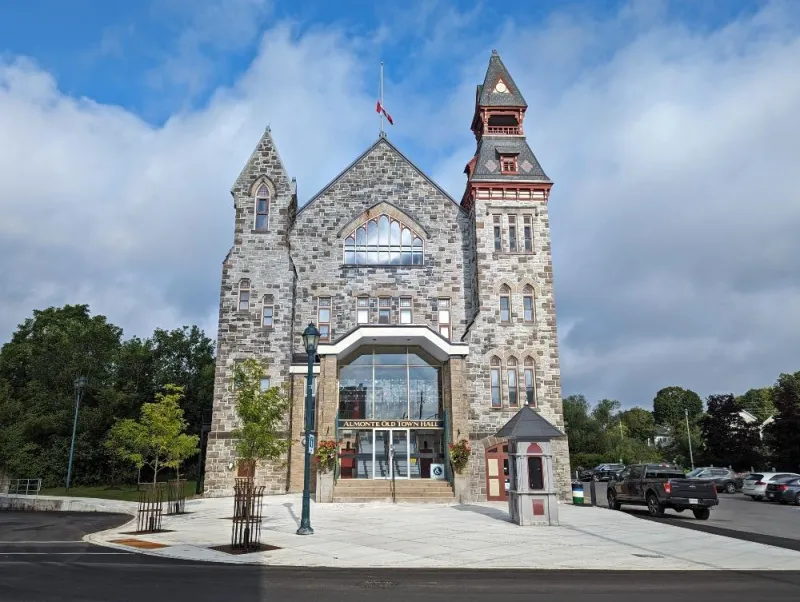
Discovering the Charm of Almonte, Ontario: A Guide to Your Perfect Getaway
Almonte, Ontario, a picturesque town nestled on the banks of the Mississippi River, offers a tranqui... Read More
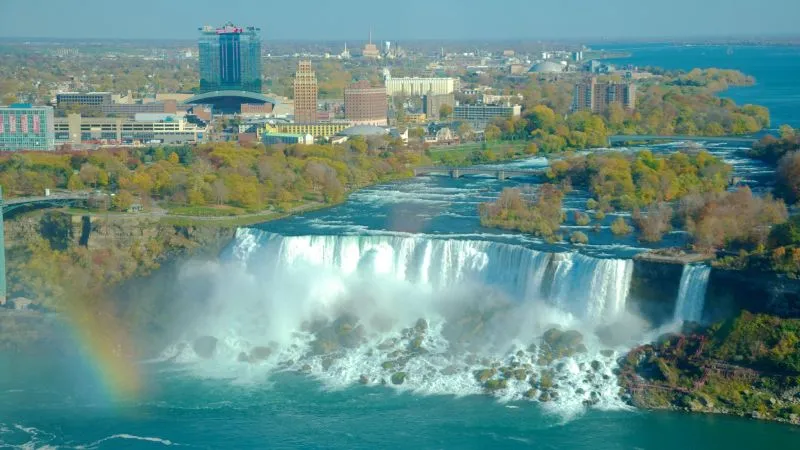
What to do in Niagara Falls, Ontario Canada on your vacation
Discover the best things to do in Niagara Falls, Ontario Canada with our comprehensive guide. From e... Read More

Discover Belleville, Ontario: Your Guide to a Memorable Getaway
Belleville, Ontario, a vibrant city nestled on the Bay of Quinte, offers a delightful mix of history... Read More
Top Posts

Why Audio Communities Are the Next Frontier for B2B Marketers
Megan Morris explains why audio‑first community hubs are transforming B2B marketing, offering actionable steps to build, monetize, and measure a thriving audi...Read More
Zero‑Party Data: The New Gold Standard for B2B Marketers
Zero‑party data lets marketers collect only the insights prospects willingly share, turning trust into a conversion catalyst. This article outlines why the sh...Read More

The Hidden Levers Driving Your Cost of Living (And How to Flip Them)
A deep dive into the invisible factors raising your cost of living—energy drains, subscription overload, and psychological pricing—plus practical SaaS‑ins...Read More

Tariff Turbulence: Turning Trade Barriers into Strategic Leverage for SaaS
Tariffs needn’t cripple SaaS businesses; by mapping exposure, stacking deals, redesigning architecture, and embedding a tariff‑ready culture, companies can ...Read More
0 Comments
Post Comment
You will need to Login or Register to comment on this post!