

Why the Cost of Living Crisis Calls for a New Kind of Hustle
Every grocery receipt feels like a tiny indictment, and the rent reminder each month arrives with the subtle menace of a courtroom summons; I’ve learned to read those numbers like a seasoned detective, noting the patterns and the pinch points that keep me awake at night. In my own kitchen, the cost of a simple loaf of bread has risen to a point where I consider it a luxury, and the utility bills now have the gravitas of a mortgage payment. This relentless pressure forces us to rethink the old equation of salary = stability, pushing us toward creative, low‑risk avenues that can cushion the blow without demanding a full career pivot.
Micro‑Entrepreneurship: The Modern Survival Toolkit
Thanks to ubiquitous connectivity and a surge of peer‑to‑peer platforms, the barrier to launching a modest side venture has collapsed to a fraction of what it once was, allowing anyone with a modest skill set to monetize a hobby in ways that were unimaginable a decade ago. What used to require a storefront, inventory, and a loan can now thrive from a kitchen table, a garage, or even a spare bedroom, leveraging tools like social media, local marketplaces, and subscription services to reach an audience eager for authentic, small‑batch offerings. This democratization of commerce is not just a trend; it is a lifeline that can transform the abstract stress of rising expenses into tangible, incremental income.
Finding Your Marketable Niche Without Overcomplicating the Process
Before you rush to list every talent on a freelance board, take a moment to audit the daily frustrations you and your neighbors encounter, because the most profitable niches often hide in plain sight, waiting for a practical solution that someone else hasn’t yet packaged. For example, the endless search for affordable, locally sourced herbs can be solved by curating seasonal herb bundles, a concept that dovetails nicely with my recent exploration of Decoding the Hidden Layers of Everyday Expenses, where I learned that small, recurring savings add up faster than occasional splurges. By aligning your skill—be it knitting, woodworking, or digital design—with a genuine need, you create a value proposition that feels less like a side gig and more like a community service.
Leveraging Digital Platforms and Community Markets
When you post a handcrafted candle on a neighborhood Facebook group, you’re not just selling wax; you’re tapping into a trusted network that values authenticity, and the algorithmic boost that comes from genuine engagement can propel a modest listing into a steady revenue stream within weeks. Platforms such as Etsy, Shopify, and even local farmer’s market websites provide ready‑made storefronts, payment gateways, and logistics support, allowing you to focus on product quality rather than technical minutiae. Moreover, by pairing online sales with pop‑up booths at community events, you amplify visibility and cultivate repeat customers who appreciate the personal touch of meeting the maker face‑to‑face.
Case Study: Turning Homemade Candles into a Consistent Cash Flow
My neighbor Maya started with a single pot of soy wax, a handful of reclaimed glass jars, and a love for seasonal scents, turning her living room into a mini‑lab and her weekend evenings into production cycles that yielded just enough product to cover the cost of her internet bill. Within three months, she expanded her line to include limited‑edition holiday blends, partnered with a local coffee shop for display shelves, and began offering candle‑making workshops that doubled her earnings while fostering a loyal community of scent enthusiasts. What began as a hobby now contributes a reliable $300‑plus per month to her household budget, illustrating how modest creativity can translate into meaningful financial relief.
Quantifying the Financial Impact: Small Wins Add Up
When you tally the extra dollars from a side hustle against the baseline of your monthly expenditures, the difference can be startling; a modest $200‑plus supplement can cover a gym membership, reduce credit‑card interest, or simply provide a buffer for unexpected repairs, effectively lowering the perceived cost of living without cutting back on essentials. This perspective aligns with the insights from The Real Cost of Convenience, which reminds us that convenience often hides hidden fees, whereas a homemade solution—be it food, cleaning supplies, or décor—offers both monetary savings and a sense of agency. By tracking these incremental gains, you can create a living ledger that showcases progress and motivates further entrepreneurial experimentation.
Overcoming the Fear Factor: Mindset Shifts for Sustainable Growth
It’s natural to feel a knot of anxiety when you consider putting a personal creation out into the market, but reframing the venture as a series of experiments rather than a high‑stakes gamble can dissolve that tension and foster a learning‑oriented approach that values feedback over perfection. Start with a pilot batch, solicit honest opinions from friends and neighbors, and iterate quickly; each tweak becomes a data point that refines your offering and builds confidence, turning the unknown into a manageable series of steps. Remember, the goal isn’t to replace your primary income overnight but to diversify your cash flow, creating a safety net that softens the blow of any future price spikes.
Building a Support Network: Skill Swaps and Collaborative Growth
One of the most underrated resources in the micro‑entrepreneurial landscape is the power of skill swaps, where you trade expertise with a fellow creator—perhaps you teach basic bookkeeping in exchange for a logo design, or you share your knowledge of natural dyeing while receiving a batch of handmade pottery for resale. Such collaborations not only reduce operational costs but also embed you deeper into a community that champions mutual success, fostering a culture where members celebrate each other’s milestones rather than view them as competition. By cultivating these relationships, you create a resilient ecosystem that can weather market fluctuations and keep the cost‑of‑living pressure at bay.
Actionable Steps to Launch Your Own Income‑Boosting Venture
Begin by listing three everyday problems you’ve solved for yourself in the past year, then brainstorm how those solutions could be packaged as a product or service that resonates with others in your circle; validate the idea with a short survey, set a modest revenue target for the first month, and allocate a specific time block each week for creation and marketing. Next, choose a low‑cost platform—whether a community Facebook page, an Etsy storefront, or a local market stall—and craft a simple yet compelling description that highlights the unique benefit you’re offering. Finally, track every transaction, note customer feedback, and adjust pricing or features accordingly, remembering that consistency and authenticity are the twin engines that will turn your side hustle into a reliable line item that offsets the rising cost of living.

Related Posts

Cutting Subscription Fatigue: A Practical Guide to Reclaiming Your Budget
Learn to identify hidden subscription fees, negotiate better rates, and explore community‑based al... Read More

The Hidden Price Tag on Your Everyday Convenience
Convenience apps and subscription services promise ease but often hide costly fees. This article rev... Read More

Predictive SaaS: Turning Cost‑of‑Living Surprises Into Planned Savings
Learn how data‑driven SaaS platforms can forecast seasonal expense spikes, deliver instant usage a... Read More
Top Posts
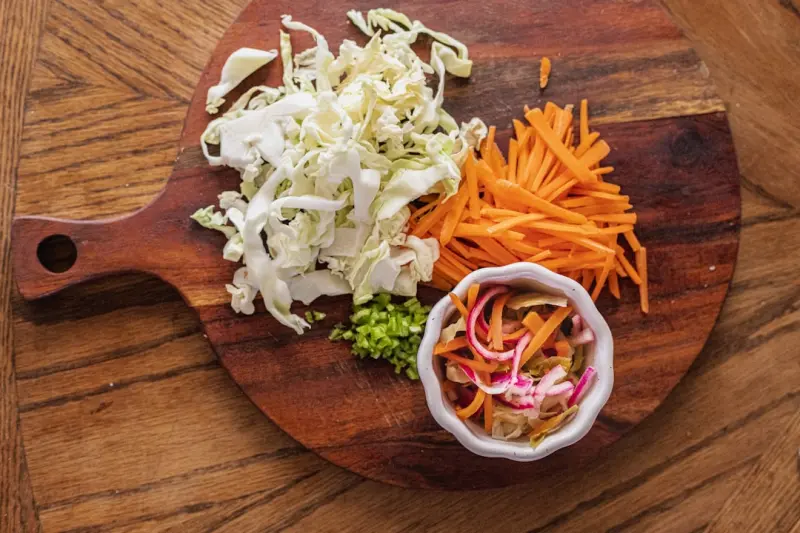
Fermented Foods: A Kitchen Journey to Gut Health and Zero‑Waste Living
Explore the art of fermentation—from sauerkraut to kombucha—and learn how these probiotic foods support gut health, cut kitchen waste, and celebrate seasona...Read More

When Your Wristwatch Becomes a Personal Health Coach
Wearables have evolved from simple step counters to active health coaches that, alongside smart homes and community data, provide real‑time insights, predicti...Read More

The Connection Between Rural Mental Health and Canadian Cuisine
The connection between rural mental health and Canadian cuisine is complex and multifaceted. Learn how food, culture, and identity intersect to promote mental w...Read More

Charting a Digital‑Detox Voyage: Cruise Ships and Luxury Bus Tours Redefined
A fresh take on unplugging: learn to design a digital‑detox cruise or luxury bus tour that blends wellness, analog learning, and community for lasting mental ...Read More
0 Comments
Post Comment
You will need to Login or Register to comment on this post!