
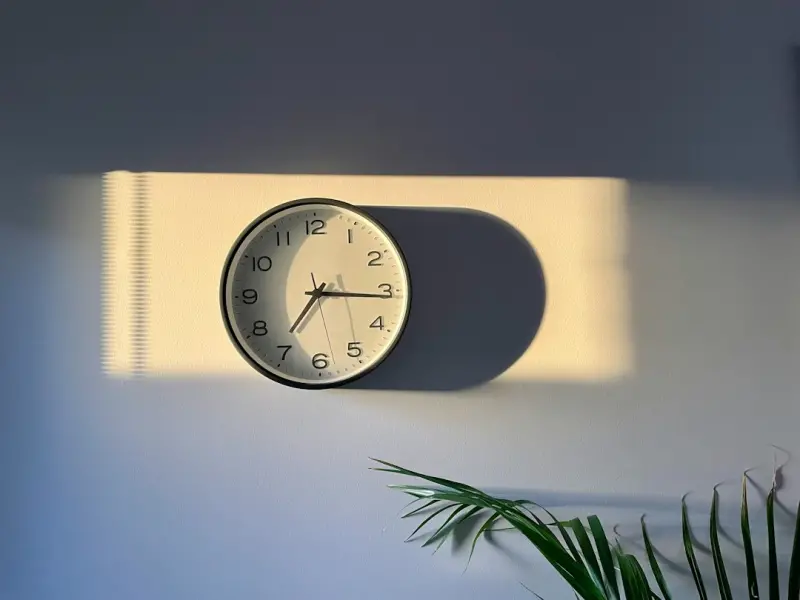
Imagine waking up feeling like you just stepped out of a spa, your mind clear, your body humming with quiet energy. It isn’t a fantasy reserved for yogis on mountaintops; it’s a science‑backed reality that anyone can cultivate by simply honoring the body’s most ancient timetable: the circadian rhythm. As someone who’s spent countless nights toggling between laptop screens and morning meetings, I’ve learned that the secret to sustainable vitality isn’t a new supplement or a trending diet—it’s learning how to dance with light, darkness, and the subtle cues that our cells have been sending us for millennia.
Why the Clock Inside You Matters More Than You Think
The circadian system is a sophisticated network of “master clocks” located throughout the body, the most influential of which resides in the suprachiasmatic nucleus (SCN) of the brain. This tiny cluster of neurons receives direct input from the eyes, translating sunrise and sunset into hormonal messages that dictate sleep, appetite, hormone release, and even DNA repair. When we ignore these signals—by binge‑watching late, sipping coffee at odd hours, or working under harsh artificial lighting—we essentially short‑circuit our internal dispatcher, leading to a cascade of metabolic, cognitive, and emotional disruptions.
Research shows that circadian misalignment is linked to everything from weight gain and insulin resistance to mood disorders and impaired immune function. In other words, the more we force our bodies to run on a schedule that contradicts nature’s rhythm, the more we invite “biological noise” that erodes performance and health over time. The good news? Realigning with the sun’s natural cycle is remarkably doable, and the payoff is measurable—better sleep, sharper focus, steadier mood, and a resilient metabolism.
The Light Switch: Harnessing Natural and Artificial Light
Light is the primary zeitgeber (time‑giver) for the circadian system. Exposure to blue‑rich daylight in the morning sends a powerful wake‑signal, suppressing melatonin (the sleep hormone) and boosting cortisol just enough to promote alertness without the jittery crash of caffeine. Conversely, dim, amber‑hued light in the evening cues the SCN to ramp up melatonin production, preparing the body for restorative sleep.
- Morning sunlight ritual: Aim for at least 15‑30 minutes of bright outdoor light within the first hour of waking. A brisk walk, a coffee on the balcony, or even a sit‑by‑the‑window can reset the SCN faster than any alarm clock.
- Screen management: Most devices emit blue light that mimics daylight. Use “night shift” or “dark mode” after sunset, or invest in blue‑light‑filter glasses to reduce the disruptive signal.
- Evening ambiance: Swap harsh white bulbs for warm, low‑intensity lamps. Candles, dimmable LEDs, or smart bulbs set to 2200‑2700 K create a soothing environment that signals bedtime.
If natural light isn’t an option—think winter months or windowless offices—consider a calibrated light therapy box. These devices deliver 10,000 lux of full‑spectrum light, effectively mimicking sunrise and can be a game‑changer for shift workers or those battling seasonal affective disorder.
Timing Your Meals: The Power of Chrononutrition
Just as light sets the clock, our eating patterns act as secondary cues that fine‑tune peripheral clocks in the liver, gut, and pancreas. The emerging field of chrononutrition reveals that aligning meals with daylight hours optimizes digestion, hormone balance, and weight management.
Here are three practical steps to bring rhythm to your plate:
- Front‑load calories: Consume the bulk of your daily calories within the first 8‑10 hours after waking. This leverages higher insulin sensitivity in the morning, allowing nutrients to be stored efficiently rather than converted to fat.
- Set a “food window”: Adopt a 10‑12‑hour eating window and stick to it consistently, even on weekends. For example, finish dinner by 7 p.m. and avoid late‑night snacking.
- Mindful fasting: A gentle overnight fast (12‑14 hours) gives the digestive system a nightly reset, promoting autophagy—the cellular “clean‑up” process that supports longevity.
These habits dovetail nicely with other health trends. While I’m not here to champion fermented foods (they have their own spotlight in Fermentation Fix), pairing them with a timed eating plan can amplify gut health benefits.
Movement as a Clock‑Keeper
Physical activity isn’t just a calorie‑burning tool; it’s a potent synchronizer for peripheral clocks. Morning exercise, especially in natural light, amplifies the wake‑signal, while moderate evening movement (like yoga or a gentle stretch) can enhance the transition to sleep without overstimulating the nervous system.
Consider the following rhythm‑friendly workout schedule:
- Early‑day cardio (6 a.m.‑9 a.m.): A brisk jog, cycling, or a quick HIIT session raises core temperature, spikes adrenaline, and aligns with the body’s natural cortisol peak.
- Mid‑day strength (12 p.m.‑2 p.m.): Resistance training during the post‑lunch window capitalizes on peak muscle strength and joint flexibility.
- Evening wind‑down (6 p.m.‑8 p.m.): Light stretching, tai chi, or a restorative yoga flow helps lower heart rate and prepares the nervous system for nighttime melatonin release.
Consistency is key. Your body thrives on predictable patterns, so aim to keep your workout times relatively stable across weeks.
Micro‑Habits for a Seamless Transition
Changing entrenched routines can feel overwhelming, but the secret lies in micro‑habits—tiny, repeatable actions that require minimal effort but compound over time. Here are five micro‑habits that reinforce circadian alignment without demanding a life overhaul:
- “Sunrise sip” ritual: Place your coffee mug by a sunny window and drink your first beverage while soaking up morning light.
- “Screen sunset” alarm: Set a daily reminder at 8 p.m. to dim devices, activate night mode, and begin winding down.
- “Meal cue” cue: Use a kitchen timer to signal the start of your eating window, reinforcing the habit loop.
- “Stretch pause”: After every two hours of desk work, stand, stretch, and look toward a window for a brief light exposure.
- “Nightly journal”: Jot down three things you’re grateful for before bedtime; this practice reduces stress hormones and smooths the transition to sleep.
These small adjustments are the scaffolding that supports larger lifestyle changes, making the whole process feel effortless rather than burdensome.
When the Clock Gets Messed Up: Recognizing Signs of Circadian Disruption
Even the most diligent planners can fall out of sync, especially during travel, shift work, or periods of intense stress. Recognizing the early warning signs can help you intervene before chronic issues develop:
- Difficulty falling asleep or staying asleep despite feeling exhausted.
- Daytime fatigue that isn’t resolved by coffee or short naps.
- Irregular appetite—craving sugary foods late at night or feeling no hunger in the morning.
- Mood swings or heightened irritability without clear triggers.
- Reduced performance in cognitive tasks, such as difficulty focusing during meetings.
If you notice a pattern, consider a short “reset” protocol: a full day of sunlight exposure, a strict eating window, and a digital sunset two hours before bed. For persistent issues, a consultation with a sleep specialist or chronobiologist can provide personalized guidance.
Tech‑Enabled Circadian Support (Without the Overload)
While I’m wary of letting apps dictate every aspect of life, technology can act as a subtle reminder system when used mindfully. Smart lights that gradually dim in the evening, wearable sleep trackers that highlight sleep phases, and even AI‑driven wellness platforms can keep you accountable.
One example is an AI‑powered itinerary planner that not only maps your travel route but also suggests optimal departure times based on your personal chronotype. Check out AI‑Powered Itineraries for a glimpse into how data can smooth out jet lag and keep your internal clock humming across time zones.
Putting It All Together: A Sample 24‑Hour Rhythm Blueprint
Below is a concise, adaptable schedule that integrates light, meals, movement, and wind‑down practices. Feel free to tweak the times to suit your work demands and personal preferences.
| Time | Action |
|---|---|
| 6:30 a.m. | Wake, open curtains, 10‑minute sunlight exposure while sipping coffee. |
| 7:00 a.m. | Morning cardio (20‑30 min) outdoors or on a treadmill near a window. |
| 8:00 a.m. | Protein‑rich breakfast within the first hour of waking. |
| 9:30 a.m. | Screen‑free 5‑minute stretch; glance at a bright spot. |
| 12:30 p.m. | Balanced lunch; avoid heavy carbs after 2 p.m. |
| 3:00 p.m. | Short walk outside for a mid‑day light boost. |
| 6:00 p.m. | Light dinner (lean protein, vegetables); finish by 7 p.m. |
| 7:30 p.m. | Dim lighting, gentle yoga or stretching; start “screen sunset”. |
| 9:00 p.m. | Nightly journal and a warm, caffeine‑free beverage. |
| 10:00 p.m. | Lights out; aim for 7‑9 hours of uninterrupted sleep. |
Adopting this rhythm doesn’t demand perfection; it’s a progressive journey. Start with one element—perhaps the morning light exposure—and build from there. Over weeks, you’ll notice the cumulative effect: clearer focus, steadier energy, and a resilient mood that endures even during high‑pressure projects.
Final Thoughts: Your Body Clock Is a Superpower, Not a Constraint
We often view schedules as rigid obligations, but the circadian rhythm is a flexible ally that, when respected, can amplify every other health habit you practice. By aligning with natural light, timing your meals, moving strategically, and using technology as a gentle guide rather than a dictator, you reclaim a state of equilibrium that fuels creativity, productivity, and genuine wellbeing.
So tomorrow, before you reach for your phone in the dark, pause. Open those curtains, stretch toward the sunrise, and let your body’s ancient clock lead the way to a healthier, more vibrant you.

Related Posts
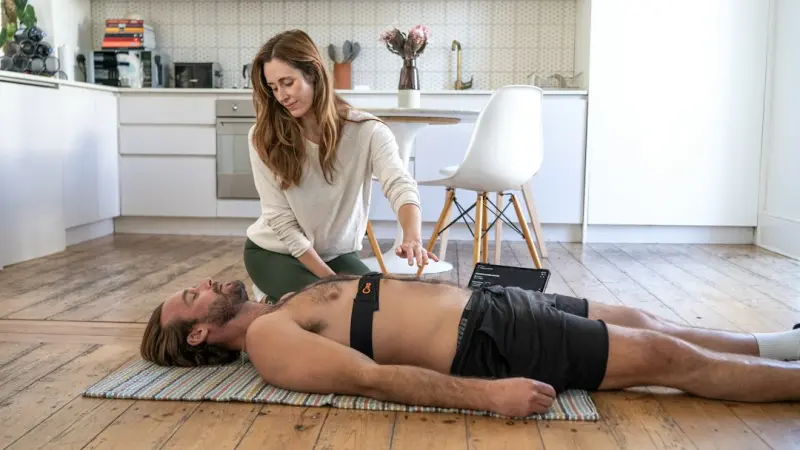
Breathwork: A Simple Tool for Modern Health
Breathwork offers a science‑backed, low‑effort method to cut stress, sharpen focus, and improve ... Read More

Walking Your Way to Mental Resilience: Simple Steps for a Healthier Mind
Learn how simple daily walks, mindful breathing, and seasonal foods can transform mental resilience,... Read More
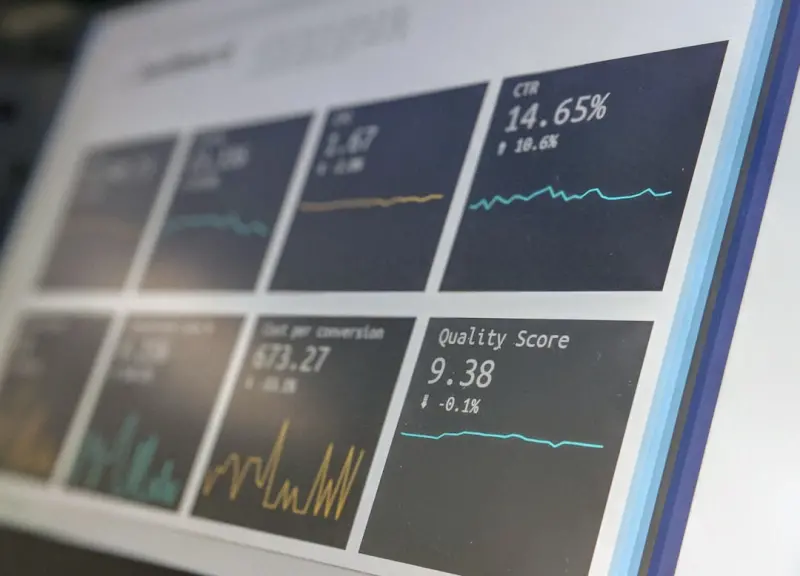
AI Health Dashboards: Turning Data Into Daily Vitality
An AI‑driven health dashboard consolidates wearables, sleep, and lifestyle data, offering personal... Read More
Top Posts

Tariff Shockwaves: How SaaS Leaders Can Turn Trade Barriers into Growth Engines
Tariffs are reshaping the economics of SaaS expansion. This post reveals why they’ve become a key KPI, how to build tariff‑resilient architecture, negotiate...Read More
Legal Strategies for Thriving in the Remote‑Work Era
Explore how to build a bulletproof remote‑work policy, manage cross‑border teams, and future‑proof your legal framework in today’s dispersed work enviro...Read More

City Streets, Gourmet Feasts: The New Frontier of Hyper‑Local Foraging
Explore the rise of hyper‑local foraging in cities, where wild greens, street fruit, and edible flowers become gourmet ingredients, fostering sustainability, ...Read More
TRIVAGO The online Booking APP- Direct Hotel Booking vs. Third-Party Hotel Booking
I was buzzing with excitement for our trip to Niagara Falls. My wife and I had been planning a quick, scenic getaway for a while, and the dates were finally set...Read More
0 Comments
Post Comment
You will need to Login or Register to comment on this post!