
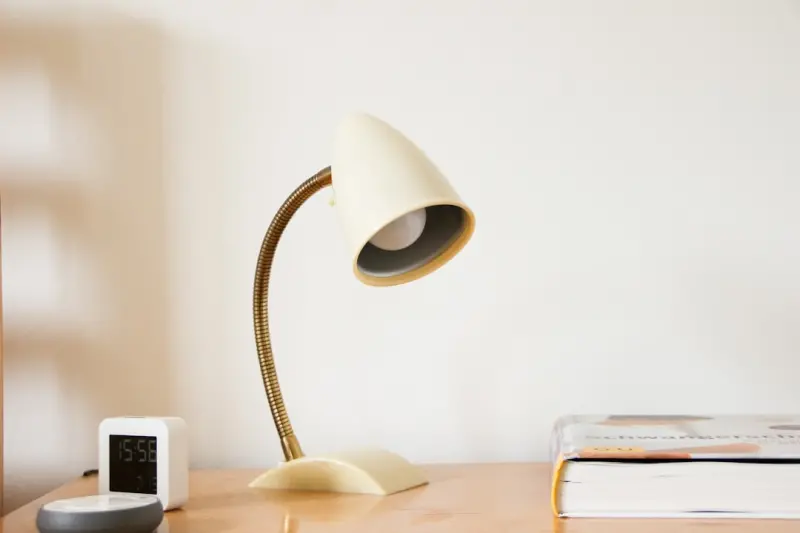
The Overlooked Influence of Desk Lighting on Your Health
When we think about workplace wellness, the conversation usually centers on ergonomic chairs, standing desks, or even the occasional office yoga break. Yet, there’s a silent, invisible factor that’s hijacking our sleep, mood, and productivity: the light that floods our desks. Most of us assume that brighter is better, that a well‑lit workspace keeps us alert. Science, however, tells a different story. The spectrum, intensity, and timing of the light you expose yourself to each day can either support a robust circadian rhythm or send it into disarray.
How Light Interacts With Your Biological Clock
Our bodies run on a 24‑hour internal clock known as the circadian rhythm. This clock is governed primarily by light exposure to the retina, which then signals the suprachiasmatic nucleus (SCN) in the brain. When the SCN receives bright, blue‑rich light—typical of daylight or most office LEDs—it suppresses melatonin, the hormone that cues sleep. Conversely, low‑intensity, warm‑toned light in the evening encourages melatonin release, signaling that it’s time to wind down.
Modern office lighting is often calibrated for visual acuity, not biological health. Fluorescent tubes and LED panels tend to emit a high proportion of short‑wavelength (blue) light, even after sunset. The result? Your brain gets a mixed signal: “Stay awake” during what should be your wind‑down period. Over weeks and months, this misalignment can manifest as insomnia, irritability, reduced cognitive sharpness, and even metabolic disturbances.
Common Lighting Mistakes in Modern Workspaces
- All‑Day Brightness – Leaving the same intensity on from 9 am to 7 pm disregards the natural light cycle. Your body expects a gradual dimming as the day progresses.
- Blue‑Heavy LEDs – Many office LEDs are optimized for energy efficiency, not health. The blue spike can be particularly disruptive after the early afternoon.
- Glare and Flicker – Even subtle flicker can cause eye strain and headache, contributing to “computer vision syndrome.”
- Lack of Personal Control – When employees can’t adjust their own lighting, they’re forced into a one‑size‑fits‑all environment that may not match their personal circadian preferences.
Why You Might Not Notice the Damage Right Away
The human body is remarkably adaptable. Subtle shifts in hormone levels often go unnoticed until they accumulate into a noticeable performance dip—think that mid‑afternoon slump that never quite lifts, or the growing need for a nap after lunch. Because the symptoms are vague—fatigue, brain fog, irritability—they’re easy to attribute to stress, workload, or “just a busy week.” That’s why many high‑performing professionals accept these symptoms as the cost of success.
In fact, research shows that people working under “circadian‑misaligned” lighting conditions can experience up to a 15% decline in decision‑making accuracy and a 20% reduction in short‑term memory retention. Over time, chronic misalignment has been linked to higher risks of obesity, type 2 diabetes, and even certain cancers. The stakes are far higher than a few extra yawns at the end of the day.
Tech Solutions: Smart Lighting and Health‑Focused Apps
Fortunately, we live in an era where lighting technology can be as intelligent as our smartphones. Breathwork Hacks for Hyper‑Connected Professionals highlights how small, tech‑enabled interventions can shift the body’s stress response. Similarly, smart lighting systems can be programmed to mimic the natural progression of daylight—bright, blue‑rich light in the morning, transitioning to warmer hues in the late afternoon, and dimming to near‑darkness by evening.
Many of these systems integrate with health platforms that track sleep, heart rate variability (HRV), and even cortisol levels. By syncing your desk lamp with your wearable, the light can automatically adjust to support your body’s current state. If your smartwatch detects elevated stress, the lamp can shift to a soothing amber glow, prompting a relaxation response.
For those on a budget, even a simple software solution can help. Several desktop applications allow you to schedule the color temperature of your monitor and ambient LEDs. The free, open‑source tool “f.lux” is a popular example, but newer AI‑driven apps can take real‑time biometric feedback into account, creating a truly personalized lighting environment.
Actionable Steps to Optimize Your Workspace Light
- Audit Your Current Light – Take note of the color temperature (measured in Kelvin) of your desk lamp and overhead fixtures. Anything above 5,000 K is considered “cool” and rich in blue wavelengths.
- Introduce Warm Light in the Afternoon – Replace or adjust existing LEDs to emit light around 2,700–3,000 K after 2 pm. This shift helps signal the brain that evening is approaching.
- Leverage Natural Light – Position your desk near a window if possible, but use blinds or sheer curtains to avoid glare. Natural daylight is the gold standard for circadian health.
- Use Task Lighting Strategically – Reserve a high‑intensity, blue‑rich lamp for the first two hours of the workday. After that, transition to a dimmer, warmer lamp for focused tasks.
- Invest in Smart Bulbs – Products like Philips Hue or LIFX let you schedule color temperature changes via a mobile app or voice assistant. Pair them with a routine that dims the lights an hour before you leave the office.
- Integrate with Wearables – If you wear a smartwatch that tracks sleep stages, explore integrations that let your lamp respond to your sleep data, ensuring a consistent pre‑sleep environment.
- Mind Your Evening Screen Time – Even if your desk lamp is dimmed, the blue light from laptops and phones can still disrupt melatonin. Use “night mode” settings or blue‑light‑filter glasses after sunset.
Holistic Health: Connecting Light to Nutrition and Gut Health
While we focus on lighting, it’s worth acknowledging that circadian rhythm also influences digestion and the microbiome. Studies show that eating at irregular times—often a byproduct of late‑night work under harsh lighting—can throw off gut bacteria, leading to inflammation and metabolic issues. If you’re curious about the broader health picture, check out the article When Your Plate Looks Like a Rainbow for insights on how diet interacts with your body’s internal clock.
And for those interested in the gut‑brain axis, the rise of home fermentation (see Fermentation Revival) offers a practical way to boost microbiome diversity, which can, in turn, improve sleep quality and stress resilience.
Measuring the Impact: Simple Metrics to Track
To know whether your lighting adjustments are paying off, keep an eye on a few key indicators:
- Sleep Onset Latency – How long it takes you to fall asleep after turning off the lights.
- Morning Alertness – Rate your energy levels on a scale of 1–10 each morning for a week.
- Productivity Peaks – Note the times of day when you feel most focused; a well‑aligned lighting schedule often shifts peaks to earlier in the day.
- Stress Markers – If you track HRV via a wearable, you’ll often see an increase in variability after consistent lighting improvements.
After a few weeks of consistent lighting habits, many professionals report falling asleep faster, waking up less often, and enjoying a clearer mental edge throughout the workday.
Conclusion: Light Isn’t Just About Seeing—It’s About Feeling
In an era where we obsess over data, productivity hacks, and digital tools, the simplest, most profound health lever may be right above our heads. By rethinking the color temperature, intensity, and timing of our workspace lighting, we can restore harmony between our external environment and internal biology. The payoff isn’t just a better night’s sleep; it’s sharper cognition, steadier mood, and a healthier body over the long run. So the next time you flick a switch, think of it as a tiny prescription for your circadian health.

Related Posts

Micro‑Nature Moments: How Tiny Green Breaks Revolutionize Workplace Health
A deep dive into micro‑nature shows how small, intentional green elements at work can lower stress... Read More

Listening to the Body’s Quiet Signals: A New Playbook for Everyday Health
Learn to hear and act on the body's subtle signals—like ultradian cycles, sensory cues, and biofee... Read More

Beyond the Pill: Community Health Challenges Redefine Immunity
Community health challenges harness collective behavior, data, and digital therapeutics to boost imm... Read More
Top Posts

The Untapped Power of Business Micro‑Ecosystems
Explore the rise of business micro‑ecosystems and how they can transform agility, revenue streams, and long‑term resilience for companies of any size....Read More

Fishing with a Conscience: Sustainable Practices on Ontario’s Lakes and Rivers
Discover how to fish responsibly in Ontario with sustainable gear, catch‑and‑release techniques, and community initiatives that keep our lakes thriving for ...Read More

Micro‑Moments of Delight: Rethinking B2B SaaS Marketing with Playful Personalization
A fresh look at B2B SaaS marketing: using contextual, playful micro‑moments to create genuine connections, accelerate the buyer’s journey, and turn prospect...Read More

Why Canada’s Repair Cafés Are Reviving Community Spirit
Repair cafés are popping up from Vancouver to Halifax, offering free fixes, skill sharing, and community bonding. Discover why this DIY movement is reshaping C...Read More
0 Comments
Post Comment
You will need to Login or Register to comment on this post!