
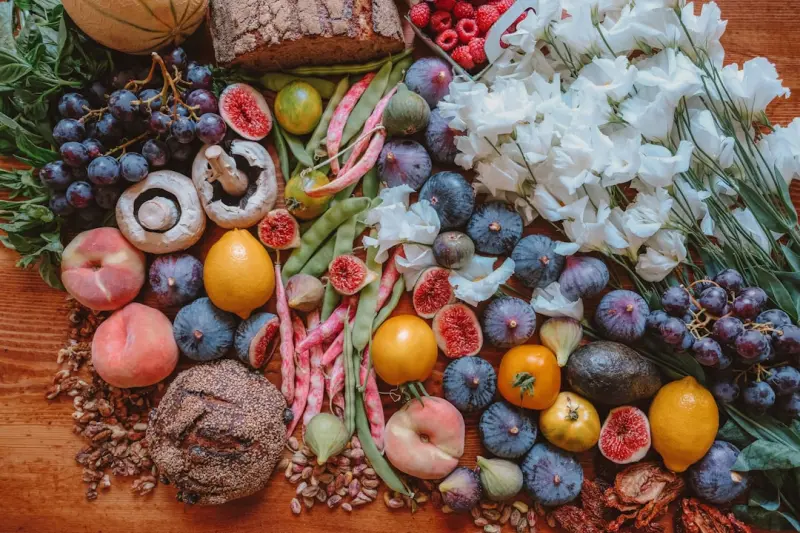
Why Seasonal Eating Is the Secret Weapon for a Thriving Gut
When I first started paying attention to the calendar as a menu planner, I discovered that the natural rhythm of the seasons does far more than dictate what’s on the farmers’ stand; it orchestrates a symphony of micronutrients, fiber profiles, and bioactive compounds that speak directly to the gut’s microbial community, and this conversation is the foundation of lasting health. The modern grocery aisle, with its year‑round availability of every fruit and vegetable, often lulls us into a false sense of convenience, but the subtle variations in phytonutrient density that occur as plants mature under different light, temperature, and rainfall conditions are lost when we ignore nature’s timetable. Embracing seasonal produce, therefore, isn’t a nostalgic throwback—it’s a scientifically backed strategy that aligns our bodies with the planet’s own cycles, fostering digestion, immune resilience, and sustained energy.
The Science Behind Seasonal Phytonutrient Peaks
Research shows that antioxidants such as anthocyanins, flavonoids, and carotenoids reach their highest concentrations when fruits and vegetables are harvested at peak ripeness, a moment that coincides with the height of their natural growing season, meaning a summer‑ripe tomato packs more lycopene than its greenhouse counterpart harvested months earlier. This biochemical bounty isn’t just a marketing gimmick; the body absorbs these compounds more efficiently during the window when the plant’s internal defense mechanisms are most active, translating into stronger cellular protection against oxidative stress and inflammation. By syncing meals with these seasonal peaks, we empower our cells with a richer supply of nature’s own protective agents, creating a cascade of benefits that extend from skin health to cardiovascular function.
Local Markets: The Gateway to Freshness and Flavor
Visiting a community farmers’ market on a crisp autumn morning offers more than a colorful backdrop—it provides direct access to produce that has spent hours, not days, in transit, preserving the delicate enzymes and vitamins that degrade over time and distance. When I browse stalls brimming with heirloom carrots, golden beets, and crisp apples, I’m reminded that the very act of buying locally supports a food system that values soil health, biodiversity, and reduced carbon footprints, all of which feed back into the nutritional quality of the food we consume. For a deeper dive into how a vibrant plate can transform wellbeing, check out Colorful Plate, Healthier Life, which celebrates the visual and nutritional power of fresh, seasonal ingredients.
Food Pairing and Fermentation: Amplifying Nutrient Absorption
Seasonal eating pairs beautifully with the age‑old practice of fermentation, a technique that not only extends the shelf life of produce but also unlocks hidden nutrients by breaking down antinutrients and fostering beneficial probiotic cultures that enhance digestion. For instance, fermenting winter cabbage into sauerkraut creates a source of vitamin C and B‑vitamins that are more bioavailable than raw cabbage, while also delivering a punch of lactic acid bacteria that prime the gut for efficient nutrient uptake. Learn more about the transformative potential of fermentation in The Fermentation Frontier, where kitchen waste becomes gourmet gold through microbial alchemy.
Gut Microbiome Diversity Flourishes with Seasonal Fibers
The gut microbiome thrives on variety, and seasonal produce delivers a rotating menu of soluble and insoluble fibers, polyphenols, and prebiotic compounds that nurture different bacterial strains, preventing the dominance of any single species and promoting a balanced ecosystem. Autumn’s squash and root vegetables, for example, provide resistant starches that feed butyrate‑producing microbes, while spring’s leafy greens supply inulin and fructooligosaccharides that stimulate bifidobacteria, each contributing to a robust intestinal barrier and reduced systemic inflammation. By rotating foods according to the calendar, we naturally diversify our microbial partners, which translates into improved mood, clearer skin, and stronger immunity.
Energy Stability Through Metabolic Flexibility
When the body receives a steady stream of seasonally appropriate carbohydrates, proteins, and healthy fats, it learns to switch seamlessly between glycolytic and oxidative pathways, a state known as metabolic flexibility that stabilizes blood sugar and sustains energy levels throughout the day. Winter’s denser, root‑based meals encourage slower carbohydrate release, preventing spikes that can lead to fatigue, while summer’s lighter, water‑rich fruits support quick replenishment after activity without overloading the system. This rhythmic fueling aligns with circadian biology, allowing the mitochondria to operate at peak efficiency and reducing the cravings that often drive unhealthy snacking habits.
Practical Steps to Transition Into Seasonal Eating
Start by mapping out the produce calendar for your region, noting which vegetables and fruits peak each month, and then design a weekly meal plan that features at least three seasonal items per day, using them in soups, salads, and stir‑fries to keep meals exciting and nutritionally dense. Next, replace a portion of your pantry staples with bulk‑buy options from local co‑ops, focusing on whole grains, legumes, and nuts that complement the seasonal produce and provide sustained satiety. Finally, experiment with simple preservation methods—freezing, canning, and dehydrating—so that the nutritional benefits of a bountiful harvest extend into the off‑season, ensuring you never feel deprived when a favorite fruit is out of season.
Budget-Friendly Benefits and Environmental Impact
Seasonal eating naturally reduces food costs because farmers harvest in abundance during peak periods, leading to lower prices and fewer mark‑ups associated with out‑of‑season imports that require expensive refrigeration and transportation. By purchasing what’s locally available, you also decrease the carbon footprint associated with long‑distance food miles, supporting a more sustainable food system that conserves water, reduces pesticide reliance, and protects pollinator habitats. Over time, these savings compound, allowing you to allocate resources toward higher‑quality proteins, organic options, or even culinary experiences that further enrich your health journey.
Conclusion: Let the Seasons Guide Your Plate
Adopting a seasonal eating mindset is an invitation to listen to the natural world, honor the subtle shifts in flavor and nutrition, and reward your body with a dynamic array of foods that keep the gut thriving, the mind sharp, and the energy steady. As you step into farmers’ markets, join community garden projects, or simply explore the seasonal sections of your grocery store, remember that each bite is a dialogue with the earth, a chance to reset your internal rhythms, and a powerful step toward long‑term vitality. Embrace the calendar, trust the harvest, and watch your health blossom in harmony with nature’s own timetable.

Related Posts

Nourishing Narratives: How Storytelling, Seasonality, and Sensory Cooking Transform Healthy Eating
Discover how weaving stories, seasonal foraging, and mindful cooking into everyday meals can elevate... Read More

Why Your Snack Drawer Needs a Brain‑Boost Makeover
A personal experiment shows how swapping sugary snacks for nutrient‑dense pairings, fermentation, ... Read More

Why Fermented Foods Are the Unsung Heroes of Modern Wellness
Fermented foods like kefir, kimchi, and kombucha deliver probiotic power that stabilizes energy, eas... Read More
Top Posts

Why Enterprise Knowledge Bases Are the Next Growth Engine
Turning internal knowledge into a revenue engine can transform a SaaS business. Learn how premium content, market‑intelligence services, and white‑label pla...Read More

Tariffs Unpacked: A SaaS Founder’s Playbook for Global Trade Barriers
A deep dive into how B2B SaaS companies can navigate and thrive amid rising global tariffs, with actionable tactics for pricing, supply chain, and data strategy...Read More

The Silent Surge: How Nationwide Broadband is Rewriting Canada’s Future
A deep dive into Canada’s broadband rollout reveals its transformative impact on remote work, healthcare, education, and economic growth, highlighting the nee...Read More

When Dining Becomes a Narrative: Inside the Immersive Storytelling Restaurant Trend
Restaurants are turning meals into immersive narratives, using themed décor, soundscapes, and menu arcs to transform dining into a story-driven adventure. This...Read More
0 Comments
Post Comment
You will need to Login or Register to comment on this post!