
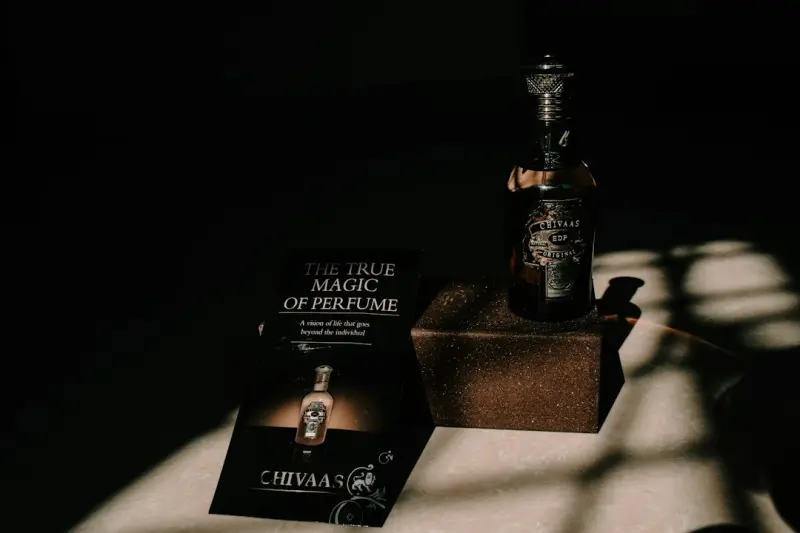
Why Home‑Infused Spirits Are the Next Frontier in Your Kitchen Bar
When I first stumbled upon a mason‑jar of rosemary‑infused gin in a tiny downtown market, I felt the same thrill that a tech founder gets after launching a beta product: the excitement of something familiar that’s been reinvented. The world of home‑infused spirits is a playground where chemistry, storytelling, and a dash of daring converge. It’s not just about tossing a few herbs into vodka and waiting; it’s an intentional, science‑backed process that can elevate a simple cocktail into a conversation starter.
The Science Behind Infusion: Extraction, Solubility, and Time
Infusing is, at its core, a lesson in solvent extraction. Alcohol acts as a powerful solvent, pulling flavor compounds—essential oils, aromatic terpenes, and phenolics—out of the ingredients you add. But not all compounds behave the same way. For example, citrus zest releases volatile oils quickly, while hardwood spices like cinnamon need a longer steep to release their deep, woody notes.
Understanding the chemistry helps you avoid common pitfalls:
- Over‑extraction: Leaving herbs in alcohol for too long can lead to bitterness, especially with botanicals that contain chlorophyll.
- Under‑extraction: A brief dip may result in a watery, muted flavor that doesn’t justify the effort.
- Temperature control: Warm environments speed up extraction, but too much heat can degrade delicate aromatics. A cool, dark pantry is often the sweet spot.
Choosing Your Base Spirit: More Than Just Vodka
While vodka’s neutral profile makes it a go‑to for beginners, the base spirit can dramatically shape the final character of your infusion. Here’s a quick guide:
- Gin: Already botanical‑heavy, gin pairs beautifully with complementary herbs like lavender or rosemary.
- Rum: Its natural sweetness makes it ideal for tropical fruits, vanilla beans, or toasted coconut.
- Whiskey: The caramel and oak notes in whiskey welcome bold spices—think star anise, smoked paprika, or dried chilies.
- Tequila: Bright agave flavors thrive with citrus, jalapeño, or even hibiscus for a floral twist.
Ingredient Sourcing: The Role of Regional Flavors
One of the most rewarding parts of infusion is hunting for unique, locally sourced ingredients. By leaning into regional sourcing strategies, you can discover flavors that tell a story of place—think Pacific Northwest fir needles, Appalachian maple syrup, or the bright zest of Californian Meyer lemons. Not only does this support local producers, it also adds an authentic narrative to your cocktails that guests love to hear.
Data‑Driven Farming Meets the Home Bar
Even if you’re not a farmer, you can benefit from the precision of modern agriculture. The rise of data‑driven farming techniques means that herbs and fruits are now grown with optimal flavor profiles. When you buy a batch of basil that’s been cultivated with exact sunlight and moisture metrics, you’re essentially purchasing a flavor‑engineered ingredient—perfect for infusions that need consistent results.
Step‑by‑Step: Crafting Your First Infusion
Ready to dive in? Follow this proven workflow:
- Pick your spirit and ingredient. Start simple—like vodka with fresh strawberries.
- Prep the ingredients. Wash, pat dry, and lightly bruise herbs or crush fruit to increase surface area.
- Combine in a clean, airtight jar. Use a 1:4 ratio of ingredients to spirit (by volume) for balanced extraction.
- Label and date. Tracking time is crucial; most infusions peak between 3‑7 days.
- Store in a cool, dark place. A pantry or cabinet works; avoid sunlight.
- Shake gently once a day. This helps distribute flavors evenly.
- Test taste daily after day three. Use a small spoonful to gauge intensity; strain once desired flavor is achieved.
- Filter and bottle. Fine mesh or coffee filter works; decant into a clean bottle for presentation.
Flavor Pairing Tips From the Cocktail Lab
Infusions are a springboard for creating signature drinks. Here are three curated pairings that showcase the breadth of what you can achieve:
1. Citrus‑Basil Vodka Spritz
- Infuse vodka with a handful of fresh basil leaves and the zest of a Meyer lemon for 48 hours.
- Mix 1 oz infused vodka, 2 oz sparkling water, a splash of elderflower liqueur, and garnish with a basil leaf.
- Result: Bright, herbaceous fizz that feels like a garden party in a glass.
2. Smoky Chipotle Rum Old‑Fashioned
- Infuse dark rum with two dried chipotle chilies and a small piece of smoked oak for five days.
- Stir 2 oz infused rum with a dash of simple syrup, two dashes of Angostura bitters, and garnish with an orange twist.
- Result: Warm, smoky heat that rounds out the rum’s caramel sweetness.
3. Lavender‑Honey Gin Fizz
- Infuse gin with dried culinary lavender and a drizzle of locally harvested honey for three days.
- Shake 1.5 oz infused gin, 0.5 oz honey‑lavender syrup, and lemon juice; top with club soda.
- Result: Floral elegance balanced by honey’s mellow sweetness.
Advanced Techniques: Fat‑Washing and Smoke Infusion
For the adventurous, consider these next‑level methods:
Fat‑Washing
This technique involves steeping a spirit with rendered fat (like bacon fat or butter) and then filtering the mixture through a coffee filter or fine cheesecloth. The result is a silky mouthfeel and savory undertone—perfect for a bourbon‑based cocktail that pairs with a charcuterie board.
Cold Smoke Infusion
Using a handheld smoker, you can expose a sealed jar of spirit to aromatic wood chips (apple, cherry, or hickory) for a few minutes. The smoke infuses without heating the liquid, preserving delicate aromatics while adding a nuanced depth.
Safety First: Alcohol, Storage, and Shelf Life
While experimentation is encouraged, keep these safety notes in mind:
- Always use food‑grade containers; avoid plastic that can leach chemicals into alcohol.
- Infused spirits with fresh fruits or vegetables have a limited shelf life—generally 2‑3 weeks in the refrigerator after straining.
- Alcohol is flammable; keep infusions away from open flames, especially when using smoke techniques.
Sharing the Experience: From Home Bar to Community
One of my favorite aspects of infusion is the communal vibe it creates. Host a “Infusion Night” where friends bring a unique ingredient, and you all collaborate on a batch. This not only generates conversation but also sparks ideas for future creations. Document the process on social media, using short videos or before‑and‑after photos—people love seeing the transformation from plain spirit to aromatic masterpiece.
Monetizing Your Hobby (If You’re Curious)
If your infusions gain a following, there are low‑risk ways to turn passion into profit:
- Mini‑Batch Sales. Offer 8‑oz bottles at local farmers’ markets or pop‑up events.
- Workshops. Teach a one‑hour class on the fundamentals of infusion, charging a modest fee for supplies.
- Collaborations. Partner with a local bar to feature a “Megan’s Signature Infusion” cocktail, gaining exposure for both parties.
Remember, many jurisdictions have specific regulations around selling alcohol. Always check local licensing requirements before commercializing.
Final Thoughts: Your Flavor Journey Awaits
Home‑infused spirits sit at the intersection of creativity, science, and storytelling. By embracing the chemistry of extraction, sourcing ingredients with regional character, and experimenting with advanced techniques, you can craft drinks that are uniquely yours. Whether you’re impressing guests at a dinner party or simply savoring a quiet evening with a glass of your own creation, the possibilities are as endless as the flavors waiting to be discovered.

Related Posts
The Fermentation Frontier: Turning Kitchen Waste into Gourmet Gold
Explore the art of home fermentation—from sauerkraut to kombucha—and learn how to turn kitchen l... Read More
Zero‑Waste Fermentation: Turning Kitchen Scraps into Flavorful Staples
Learn how to turn everyday kitchen scraps into tasty, probiotic ferments—boosting flavor, nutritio... Read More
Fermentation Nation: Wild Cultures Are Rewriting the Food & Drink Landscape
Fermented foods and drinks are surging in popularity, offering gut‑friendly benefits, bold flavors... Read More
Top Posts

National Cyber Resilience: A Playbook for Canadian Companies
A comprehensive guide for Canadian firms of all sizes, outlining cultural shifts, practical defenses, AI‑powered solutions, and collaborative frameworks to bu...Read More

When the Map Says “Go”: Harnessing Serendipity for Smarter Travel
A fresh look at travel that prioritizes chance over checklist, showing how spontaneous moments boost creativity, sustainability, and business insight....Read More

Strategic Deal Stacking: How B2B Teams Unlock Massive SaaS Savings
Deal stacking transforms routine SaaS procurement into a strategic savings engine. Discover step‑by‑step tactics—from mapping tools and bundling to levera...Read More
Restaurant Reinvention: Data, Subscription & Zero‑Waste Strategies
Discover how restaurants are using data analytics, AI-powered menus, subscription dining, and zero‑waste innovations to stay ahead in a competitive market....Read More
0 Comments
Post Comment
You will need to Login or Register to comment on this post!