

Rediscovering Nutrition Through Urban Foraging
Imagine stepping out onto a bustling city sidewalk and spotting a cluster of bright, edible greens tucked between the cracks of a concrete slab, a reminder that nature’s pantry is never truly out of reach even amid skyscrapers and traffic; this simple act of observation can transform the way we think about meals, prompting a shift from grocery‑store complacency to a more engaged, seasonal relationship with food. By learning to identify and harvest wild lettuces, dandelion leaves, and even aromatic herbs that grow in vacant lots or community garden borders, we tap into a nutrient profile that often eclipses cultivated counterparts, offering higher concentrations of vitamins A, C, and K as well as potent antioxidants that support immune resilience. Embracing urban foraging not only diversifies our plates but also reconnects us to the rhythms of growth, encouraging mindfulness about where our calories originate and fostering a sense of stewardship over the micro‑ecosystems that share our living spaces.
The Science Behind Colorful Plates
Research consistently shows that the visual spectrum of a dish can be a reliable predictor of its micronutrient diversity, with reds indicating lycopene‑rich tomatoes, deep blues signaling anthocyanin‑laden berries, and vivid greens reflecting chlorophyll‑packed leafy vegetables, each pigment acting as a natural shield against oxidative stress and chronic inflammation; by intentionally assembling a rainbow on our plates, we harness a broad array of phytochemicals that work synergistically to promote cellular repair and hormonal balance. This chromatic strategy dovetails with the concept of “food diversity,” which epidemiologists link to lower incidences of cardiovascular disease and metabolic disorders, suggesting that the more varied the hue palette, the more robust the protective effect. To make this practice sustainable, consider rotating seasonal produce—spring asparagus, summer corn, autumn squash, winter root vegetables—so that the colors you enjoy also align with the peak nutrient density of each harvest.
Mindful Cooking Rituals for Better Digestion
Beyond ingredient selection, the act of preparation itself can dramatically influence how our bodies process food, as slow, deliberate techniques such as gentle sautéing, steaming, and fermenting preserve enzymatic activity and reduce the formation of harmful compounds like advanced glycation end‑products; adopting a rhythm that respects the natural texture and flavor of each component encourages the release of aromatic compounds that stimulate saliva and gastric secretions, priming the digestive tract for optimal nutrient absorption. One powerful habit is the “pause‑and‑taste” ritual, where you stop halfway through cooking to inhale the aroma, assess the texture, and adjust seasoning, thereby fostering a deeper connection to the meal and reducing the impulse to over‑process or over‑cook, which can diminish vital phytonutrients. Incorporating these practices not only elevates taste but also supports gut health, as a calm, attentive cooking environment reduces stress hormones that can otherwise impair digestive efficiency.
Strategic Use of Superfood Pairings
When two nutrient‑dense foods are combined, they often create a bio‑availability boost that exceeds the sum of their parts; for instance, pairing iron‑rich spinach with vitamin C‑loaded citrus enhances non‑heme iron absorption, while adding a modest amount of black pepper to turmeric activates curcumin’s anti‑inflammatory properties, a synergy that can be leveraged to address common deficiencies without reliance on supplements. By mapping out complementary pairings—such as quinoa with avocado for healthy fats that aid the uptake of fat‑soluble vitamins, or nuts with berries for a balanced mix of antioxidants and omega‑3 fatty acids—you construct meals that work smarter for the body, delivering sustained energy and supporting cognitive function throughout the day. Experimenting with these combos encourages culinary creativity, turning everyday dishes into purposeful, health‑optimizing experiences that feel both indulgent and scientifically grounded.
Seasonal Foraging Meets Modern Tech
While the act of hunting for wild edibles feels ancient, modern tools can amplify safety and success, as smartphone identification apps now use machine learning to verify plant species, reducing the risk of accidental ingestion of toxic look‑alikes; integrating these resources into your foraging routine allows you to explore new neighborhoods with confidence, turning a casual walk into a treasure hunt for nutrient‑dense greens and roots that are often overlooked in conventional markets. Moreover, community‑driven platforms enable you to share findings, swap harvests, and even coordinate local workshops, fostering a collaborative ecosystem that democratizes access to fresh, hyper‑local produce. By blending age‑old intuition with contemporary technology, urban foragers can confidently expand their dietary repertoire while contributing to a greener, more resilient cityscape.
Balancing Macro and Micronutrients Without Counting Calories
Instead of obsessively tracking every calorie, focus on the balance of macronutrients—protein, healthy fats, and complex carbohydrates—while ensuring each meal is anchored by micronutrient‑rich vegetables and herbs; this approach naturally regulates energy intake because high‑fiber, low‑glycemic foods promote satiety, preventing the mid‑day slump that often leads to unhealthy snacking. For example, a bowl featuring roasted chickpeas, quinoa, kale, and a drizzle of walnut oil delivers a harmonious blend of plant‑based protein, slow‑release carbs, and omega‑3 fats, all while supplying a spectrum of vitamins and minerals that support metabolic stability. By prioritizing food quality over quantity, you create a sustainable eating pattern that nurtures both body and mind, reducing the mental fatigue associated with constant calorie counting.
Community Gardens as Laboratories for Nutritional Experimentation
Participating in a community garden offers a hands‑on laboratory where you can test hypotheses about flavor, texture, and nutritional outcomes, from comparing heirloom tomato varieties to trialing nitrogen‑fixing companion plants that boost soil health and, consequently, the mineral content of root vegetables; this collaborative environment encourages sharing of seed swaps, composting techniques, and harvest data, turning collective knowledge into tangible health benefits for all members. The act of nurturing plants from seed to plate also instills a deeper appreciation for the effort behind each bite, reducing waste and inspiring more mindful consumption patterns that align with sustainable living principles. By treating the garden as an experimental kitchen, you cultivate both a healthier palate and a stronger sense of community resilience.
Integrating Foraged Foods Into Everyday Meals
Transitioning from novelty to routine requires simple strategies, such as adding a handful of wild greens to morning smoothies, sprinkling finely chopped nettle leaves onto soups, or using pine needle-infused oil as a finishing drizzle for roasted vegetables; these modest incorporations introduce potent phytonutrients without overwhelming the palate, allowing your body to adapt gradually to new flavors and nutrient profiles. Planning weekly menus around a “forage of the week” theme can also streamline grocery shopping, as you replace a portion of store‑bought produce with locally sourced wild options, reducing food miles and supporting biodiversity. Over time, these practices become second nature, embedding a culture of seasonal, nutrient‑dense eating that enhances vitality, supports digestive health, and fuels a more adventurous culinary spirit.

Related Posts
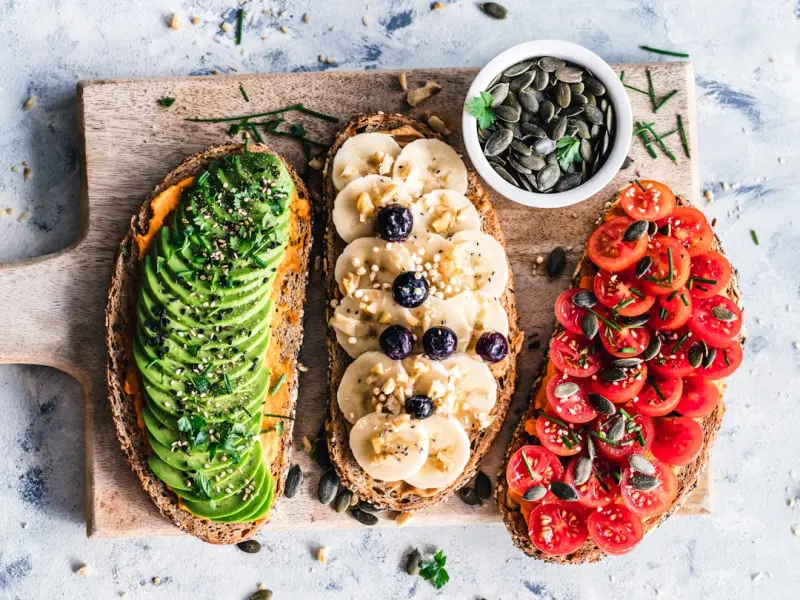
Seasonal Superfood Swaps for Everyday Nutrition
Learn practical, seasonal superfood swaps that transform ordinary meals into nutrient‑rich power f... Read More

Fermentation at Your Desk: Simple Gut‑Friendly Foods for Busy Professionals
Learn how easy, desk‑friendly fermentation can enhance digestion, energy, and focus with simple re... Read More
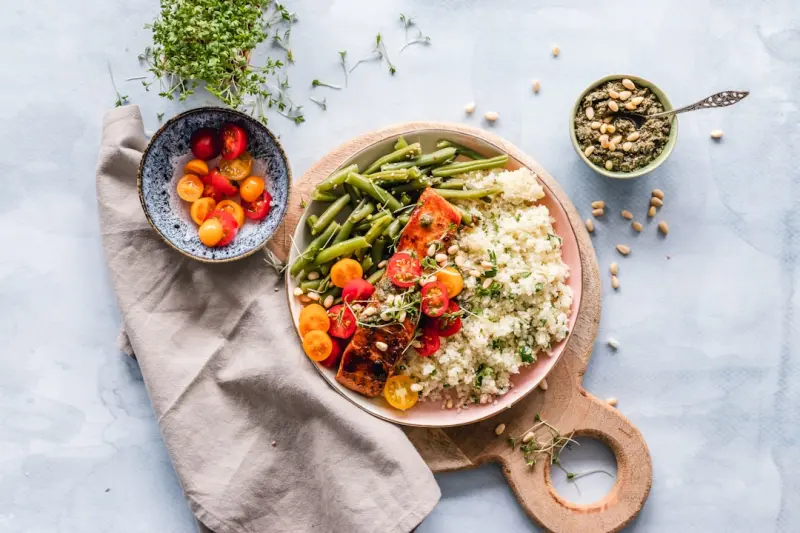
Unlocking the Sprout Revolution: How Tiny Greens Supercharge Your Health
Sprouting turns humble seeds into nutrient‑dense greens that enhance digestion, reduce waste, and ... Read More
Top Posts

Ontario’s Quiet Fishing Revolution: How Community Co‑Ops Are Changing the Game
Ontario’s fishing scene is evolving as anglers unite in community co‑ops, pooling resources for shared water access, collective gear repair, and environment...Read More

Revitalizing Rural Economies: A Path Forward
Rural economies face unique challenges, but with the right approach, they can thrive. Learn about strategies for revitalization, from tariffs to innovation, and...Read More

The Best Ways To Future Proof Your Career
The modern world of work is characterized by rapid change. Technological advancements, globalization, and evolving economic landscapes are constantly reshaping ...Read More

Mark Daniels’ Guide to the Hottest Travel Trends of 2026
Mark Daniels explores the latest travel trends—from bite‑size getaways and eco‑friendly lodging to vibrant food festivals and waterfront adventures—offe...Read More
0 Comments
Post Comment
You will need to Login or Register to comment on this post!