

When I first stepped onto a modest indie gaming showcase in Quebec City, I expected the usual buzz of pixel art and indie hype. Instead, I was greeted by a room pulsing with the low‑frequency hum of a headset, the scent of cedar smoke, and a storyteller whose ancestors had been carving legends into stone for millennia. The experience was a reminder that entertainment is not a static product; it is a living, breathing conversation between culture, technology, and community.
Why virtual reality is the perfect canvas for Indigenous narratives
Virtual reality (VR) offers a three‑dimensional storytelling surface that traditional screens simply cannot match. For Indigenous creators, this medium does more than just showcase a game—it becomes a digital ceremony. The ability to walk through a recreated birch forest, hear the echo of a drum circle, and interact with mythic creatures in real time creates an immersive ritual that honors oral traditions while inviting a global audience to participate.
Unlike conventional game engines that prioritize speed and spectacle, many Indigenous studios begin with a purpose‑first design philosophy. They ask: What story must be told? Which cultural practice needs preservation? The answer shapes every line of code, every texture, and every sound cue. In doing so, VR becomes a bridge, allowing younger generations to experience teachings that might otherwise be lost to urban migration.
From oral history to digital avatar: The development journey
Creating a VR experience that respects cultural protocols is a delicate process. Teams often collaborate with elders, language keepers, and community historians from day one. This partnership ensures that language is not merely a decorative overlay, but an active element of gameplay. For example, a player might be required to pronounce a word correctly to unlock a sacred pathway, turning linguistic practice into a mechanic.
Funding remains a hurdle. While government grants exist for cultural preservation, they rarely align with the fast‑moving tech sector. Here, the spirit of collaborative storytelling shines through. Studios adopt a community‑backed model where fans can contribute resources, suggest narrative branches, or even co‑design in‑game artifacts. This approach not only diversifies revenue streams but also deepens the sense of ownership among players.
Case studies: Projects that are reshaping the map
- Whispers of the River – Set in the great waterways of the Great Lakes, this experience invites players to paddle a virtual canoe while listening to legends narrated in the original language. The game’s success lies in its careful balance of recreation and education; each story segment unlocks a new paddle technique, mirroring traditional skill development.
- Fire Within the Sky – A VR adventure that dramatizes the creation myth of the northern lights. Players assemble constellations using gestures that mimic ancient sky‑watching rituals. The visual spectacle has earned praise for turning scientific curiosity into cultural reverence.
- Stone & Song – A multiplayer sandbox where participants collaboratively build a virtual longhouse, each adding carvings that represent their personal journey. The project has become a digital gathering place for diaspora communities, reinforcing identity across borders.
Beyond the headset: How these games ripple into other entertainment sectors
The impact of Indigenous VR gaming extends well beyond the digital realm. Live music venues are borrowing narrative techniques to curate story‑driven concerts, where each setlist follows a mythic arc. Film festivals are partnering with game studios to showcase interactive installations that complement traditional screenings. Even culinary events are experimenting with sustainable event design that mirrors the stewardship values embedded in many Indigenous stories.
Such cross‑pollination is possible because the underlying principle is the same: entertainment as a conduit for cultural transmission. When a festival programmer includes a VR station alongside a folk music stage, attendees receive a multi‑sensory education that reinforces the same themes—respect for land, community, and heritage.
Challenges on the horizon
Despite the momentum, creators face significant obstacles. Technical limitations—such as motion sickness, hardware accessibility, and bandwidth constraints—can hinder adoption in remote regions where many of these stories originate. Additionally, the risk of cultural appropriation looms large. To mitigate this, studios employ strict cultural advisory boards and embed consent mechanisms that allow communities to withdraw content if misrepresented.
Another concern is market visibility. Mainstream platforms often prioritize blockbuster titles, pushing niche cultural experiences to the margins. This is where targeted marketing and community advocacy become crucial. By leveraging social media channels that celebrate heritage, studios can bypass traditional gatekeepers and reach audiences hungry for authentic narratives.
Future directions: The next chapter for Northern entertainment
Looking ahead, the convergence of augmented reality (AR), spatial audio, and haptic feedback promises even richer storytelling possibilities. Imagine walking through a virtual powwow where the ground vibrates with each drumbeat, or feeling the wind of a digital tundra as you chase a mythic beast. These technologies will deepen immersion, turning passive observation into embodied participation.
Education systems are already taking note. Several provincial curricula are piloting VR modules that integrate Indigenous games into history lessons, fostering empathy and understanding among students. Such initiatives demonstrate that the line between entertainment and education is increasingly porous, a development that benefits both creators and audiences.
How you can support this cultural renaissance
Whether you are a developer, investor, educator, or simply an avid gamer, there are tangible ways to contribute:
- Invest in culturally focused incubators. Funding early‑stage studios ensures that stories reach the market before being diluted.
- Participate in community testing. Providing feedback that respects cultural nuances helps refine gameplay while honoring traditions.
- Share the experience. Word‑of‑mouth remains a powerful tool. When you recommend a VR title to friends, you amplify its reach.
- Collaborate across industries. Musicians, chefs, and visual artists can co‑create events that weave together multiple art forms, echoing the holistic nature of Indigenous worldviews.
In a world where entertainment often feels disposable, the rise of Indigenous VR gaming offers a refreshing reminder: stories rooted in place and purpose can thrive alongside cutting‑edge technology. By embracing these experiences, we not only enjoy compelling gameplay but also become participants in a living cultural continuum that spans generations.

Related Posts

Beyond the Screen: Canada’s Immersive Entertainment Revolution
The article examines Canada's leap into immersive entertainment, highlighting regional collaboration... Read More
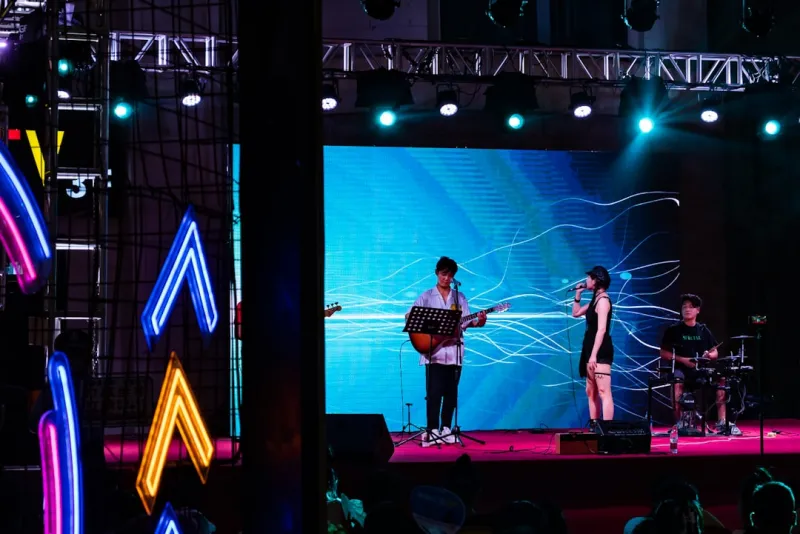
The Vibrant Pulse of Canadian Summer Entertainment
Discover how Canada’s summer bursts with music festivals, waterfront experiences, and road‑trip ... Read More
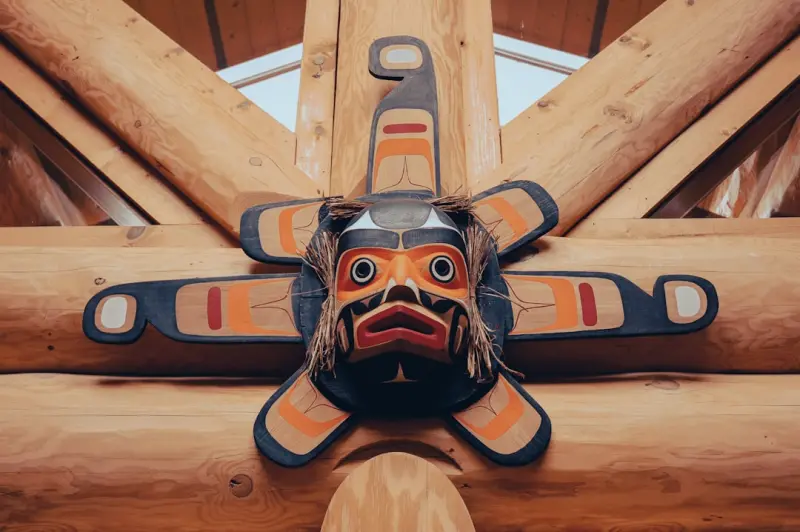
Game On, Canada: Indigenous Studios and the New Wave of Interactive Storytelling
Canada’s entertainment sector is buzzing with fresh energy as Indigenous game studios, city‑wide... Read More
Top Posts

Sailing Into Serenity: How Wellness Cruises and Eco Bus Tours Redefine Travel
Explore the rise of wellness cruises and eco‑friendly bus tours, a travel trend that blends mindfulness, sustainability, and community impact for a truly reju...Read More

From Soil to Screen: How Canadian Farmers Are Redefining Rural Resilience
A farmer’s eye view of the new era in Canadian agriculture—regenerative soil care, digital tools, mental‑health networks, and direct‑to‑consumer ventu...Read More

Breathwork: A Simple Tool for Modern Health
Breathwork offers a science‑backed, low‑effort method to cut stress, sharpen focus, and improve overall health. This post explores the physiology, practical...Read More

Plant‑Powered Performance: Building Muscle, Focus, and Energy with Whole‑Food Proteins
A practical guide for busy professionals on using whole‑food plant proteins to enhance muscle, mental clarity, and sustained energy, featuring smart shopping,...Read More
0 Comments
Post Comment
You will need to Login or Register to comment on this post!