
The New Canvas: Dining in Augmented Reality
When I first sat down at a downtown Toronto bistro and watched a holographic basil leaf drift across my plate, I thought I’d stumbled into a sci‑fi commercial. Yet the experience was unmistakably real: the aroma, the texture, the taste—all anchored by a digital layer that turned a simple entrée into a story. That moment sparked a curiosity that’s been simmering ever since: what happens when pixels meet palate?
In the last decade, the food and drink world has been quietly undergoing a transformation driven by data, sustainability, and a relentless quest for novelty. From the rise of circular‑economy menus to AI‑curated wine pairings, chefs have learned to look beyond the stove. Augmented reality (AR) is the next logical frontier—a tool that can amplify flavor, educate diners, and even reshape how restaurants think about profit and waste.
Why AR Feels Like the Natural Evolution of Eating Out
Eating is a multisensory ritual. We see the dish, smell its aromas, hear the sizzle, feel the temperature, and finally taste. Yet visual storytelling has always been limited to the plate itself. AR flips that limitation on its head by overlaying dynamic visual cues onto the physical world. Imagine a sushi roll that, when viewed through your phone, displays the migratory path of the fish, the seasonality of the seaweed, and a short video of the fisherman who harvested it. The dish becomes a living infographic, turning a bite into a conversation starter.
Beyond novelty, AR solves two persistent challenges for the industry:
- Transparency. Consumers demand provenance. By projecting blockchain‑verified data onto the plate, restaurants can instantly prove that their kelp is sustainably farmed, echoing the trust built in projects like shared farms.
- Engagement. In a world where social media scrolls faster than a waiter can clear a table, an AR‑enhanced dish becomes shareable content. The more visually arresting the experience, the higher the likelihood of organic reach.
From Gimmick to Core Menu: Real‑World Use Cases
1. Interactive Wine Pairings. Traditionally, sommeliers rely on years of training and intuition. Today, AR glasses can project a flavor map over the glass, highlighting notes of blackberry, oak, or citrus that align with the dish. A diner can tap the floating icons to learn the science behind the pairing, turning a casual sip into an educational moment.
2. Nutritional Transparency. For health‑conscious diners, seeing a live breakdown of calories, macros, and allergens without digging through a paper menu is a game‑changer. Restaurants can update these overlays in real time, reflecting any changes in ingredient sourcing or preparation methods.
3. Storytelling for Local Ingredients. A farm‑to‑table concept can be taken literally: point your device at a beetroot and watch a short vignette of the farmer planting the seed, the soil composition, and the harvest day. This narrative depth builds emotional loyalty—people remember where their food comes from.
4. Dynamic Presentation. Chefs can experiment with visual effects that change as a dish cools or as a sauce reduces. A molten chocolate dessert might reveal a hidden caramel river as it melts, guiding the diner’s fork to the sweet spot.
Technology Stack: From Smartphones to Smart Glasses
While the hype often centers on sleek smart glasses, the current reality is that most diners already own the required hardware: smartphones. ARKit (iOS) and ARCore (Android) provide robust platforms for developers to create location‑aware, image‑recognition experiences. For high‑end establishments, dedicated glasses like the Nreal Light or Microsoft HoloLens offer hands‑free immersion, though they remain niche due to cost.
Key components for a successful AR dining rollout include:
- Image Recognition. The system must reliably identify plates, utensils, and even specific ingredients under varying lighting conditions.
- Content Management System (CMS). Restaurants need a backend where chefs can upload videos, data sheets, and seasonal updates without calling in a developer each time.
- Latency Management. A delay of even half a second can break immersion. Edge computing—processing data close to the user’s device—helps keep the experience buttery smooth.
Design Principles: Keeping the Food the Star
AR should amplify, not eclipse, the culinary masterpiece. Here are three design commandments I’ve adopted from my own experiments:
- Subtlety Over Spectacle. Overloading a plate with animations can distract from taste. Use light overlays, gentle animations, and allow users to toggle depth.
- Contextual Relevance. Every visual cue must serve a purpose—whether it’s educating about provenance, highlighting allergens, or suggesting a complementary bite.
- Accessibility First. Not every diner can see color or hold a device comfortably. Offer audio descriptions and ensure the UI is legible for those with low vision.
Economic Impact: Turning AR Into a Profit Lever
Implementing AR is not just a branding exercise; it can directly affect the bottom line. A study from a boutique New York restaurant that introduced AR menus reported a 12% increase in average ticket size. Why? The immersive storytelling justified premium pricing, and the ability to showcase seasonal, locally sourced ingredients justified higher costs.
Moreover, AR can help reduce waste. By visualizing portion sizes and offering “virtual upsell” options—like a side of seasonal vegetables that appear only when the main plate is nearly finished—restaurants can better manage inventory, echoing the efficiencies championed in smart deal‑hunting strategies.
Challenges and How to Overcome Them
Technical Barriers. Not all devices support high‑quality AR. A pragmatic approach is to offer a QR code that launches a lightweight web‑AR experience, ensuring broad compatibility.
Content Creation. Filming short, high‑resolution videos of farms, chefs, or ingredient origins requires resources. Partnering with local culinary schools or tourism boards can defray costs while providing authentic material.
Staff Training. Front‑of‑house teams must be comfortable guiding diners through the AR experience. Regular role‑play sessions and a simple “cheat sheet” of key features help bridge the gap.
Future Glimpse: Where AR Dining Might Go Next
Looking ahead, I see three trends converging:
- AI‑Generated Flavor Visualizations. Imagine an algorithm that reads a dish’s chemical composition and creates a custom AR animation that mirrors its taste profile—spicy waves, sweet ribbons, umami clusters.
- Multi‑Sensory Integration. Beyond sight, haptic feedback devices could simulate the crunch of a fried garnish or the coolness of a sorbet, creating a fully immersive feast.
- Community‑Driven Content. Diners could upload their own AR stories, turning a dish into a collaborative canvas. Think of it as a “guest‑chef” model where the community co‑creates the narrative.
These possibilities are not far‑off. As hardware becomes more affordable and developers refine AR SDKs, the barrier to entry will shrink dramatically. Restaurants that adopt early will gain a competitive moat, positioning themselves as the go‑to venues for tech‑savvy food enthusiasts.
Getting Started: A Playbook for Restaurateurs
If you’re a chef or owner intrigued by the potential of AR, here’s a starter checklist:
- Define the Goal. Are you aiming for education, upselling, waste reduction, or pure entertainment?
- Choose the Platform. Begin with smartphone‑based AR to keep costs low.
- Map Your Content. List the dishes you want to augment and the stories you wish to tell.
- Partner with Developers. Look for agencies experienced in hospitality AR or explore no‑code platforms like ZapWorks.
- Pilot Test. Run a soft launch on a single night, gather feedback, and iterate.
- Train Staff. Ensure servers can troubleshoot and guide guests seamlessly.
- Measure Impact. Track metrics like average ticket size, dwell time at tables, and social media mentions.
Remember, the technology is a means, not an end. The heart of any dining experience remains the food itself. AR should act as a sous‑chef, enhancing flavors and narratives without stealing the spotlight.
Conclusion: A Taste of Tomorrow
From my first bewildering encounter with a floating herb to the growing ecosystem of AR‑enabled menus across the globe, one thing is clear: the future of food is as much about storytelling as it is about seasoning. By embracing augmented reality, restaurateurs can offer diners a richer, more transparent, and undeniably share‑worthy experience. The plate becomes a canvas, the chef a director, and the diner an active participant in a culinary performance that lives both in the real world and the digital overlay.
So next time you’re perusing a menu, consider asking the staff if the dish comes with a digital side. You might just discover that the most unforgettable flavor is the one you can see, hear, and feel—all at once.

Related Posts
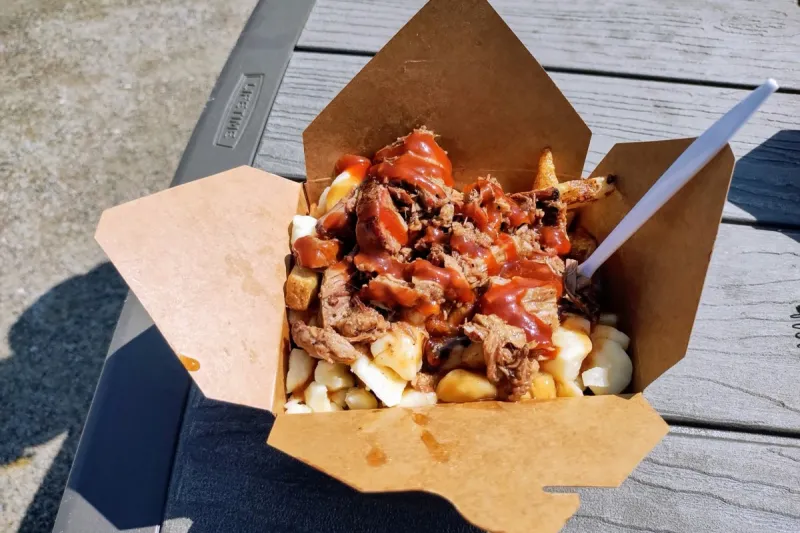
Get Ready to Dive into Deliciousness: Poutine Feast Ontario is Back!
Hey poutine lovers! Get your forks ready because the most Canadian food festival is back on the road... Read More

Forgotten Sweeteners Making a Sweet Comeback in Modern Desserts
Discover the rise of forgotten sweeteners—from maple sap to palm sugar—and how they're enriching... Read More
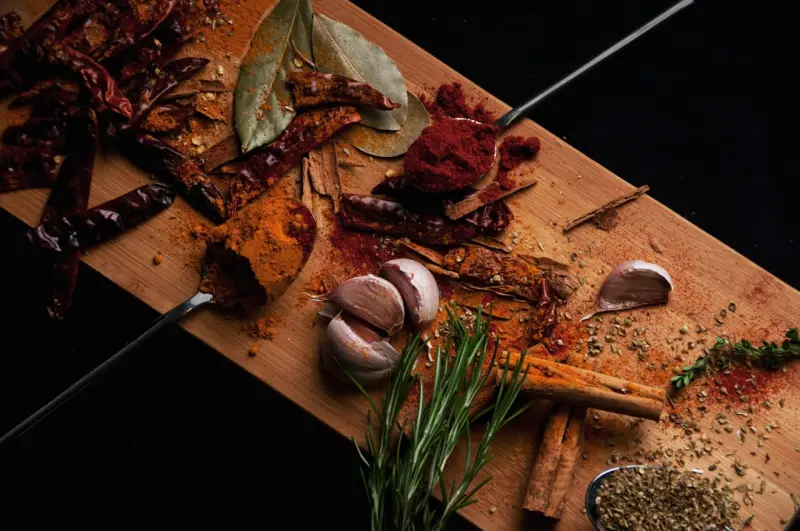
Spice Alchemy: Crafting Your Own Flavor Vault at Home
Learn the art of homemade spice blends: from pantry audits to toast‑and‑grind techniques, season... Read More
Top Posts

Fermentation Frontiers: Unlocking Gut Health for High‑Performance Professionals
A deep dive into the science of fermentation, its impact on gut health, and actionable ways busy professionals can integrate probiotic‑rich foods into their d...Read More

Beyond the Spotlight: How Canada’s Small Town Studios Are Redefining Film Production
Small‑town film studios across Canada are emerging as powerful hubs for authentic storytelling, offering cost savings, community collaboration, and sustainabl...Read More

Employee Advocacy: The Quiet Power Driving Business Growth
Learn why employee advocacy is the hidden catalyst for rapid business growth and how to build a program that amplifies your brand, energizes your team, and driv...Read More

Dangerous Games: Exposing the Dark Side of Roblox and the Metaverse
The metaverse, a burgeoning digital frontier, promises immersive experiences and boundless opportunities. Yet, beneath the vibrant surface of platforms like Rob...Read More
0 Comments
Post Comment
You will need to Login or Register to comment on this post!