
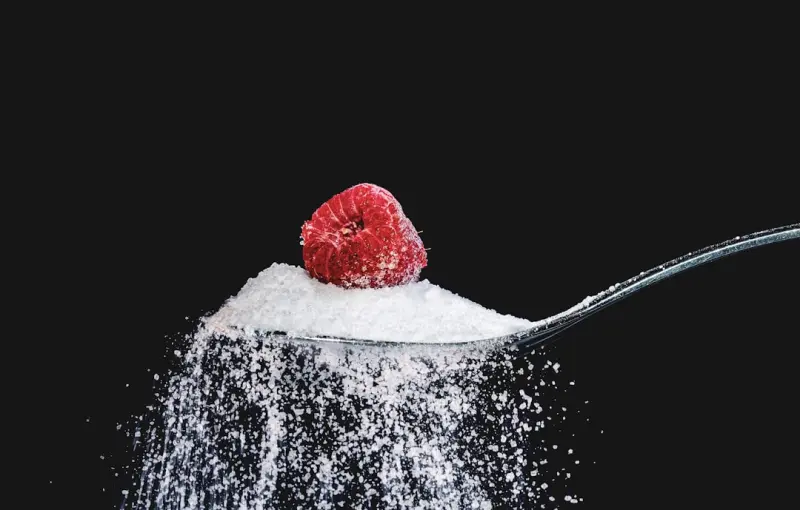
The Sweet Revival Starts in the Forests
When I first stumbled upon a sap‑laden maple tree in a remote Ontario woods, I realized that nature’s candy has been waiting for a modern audience to rediscover its subtle charm, a charm that often gets eclipsed by the industrial roar of high‑fructose corn syrup and refined white sugar; the amber‑gold fluid that drips in the early spring carries a delicate balance of minerals, a faint vegetal note, and a lingering warmth that can transform a simple vanilla custard into a nuanced palate‑pleaser, and I found myself fascinated by how this ancestral sweetener could be harvested with minimal processing, preserving both its nutritional integrity and its connection to the land. The historical roots of maple sap stretch back centuries, with Indigenous peoples tapping trees using bone or wood spiles, then gently heating the sap over open fires to concentrate its sugars, a method that imparts a smoky nuance often missed by modern evaporators; this tradition not only reflects a deep respect for seasonal rhythms but also offers a sustainable model where a single tree can yield dozens of gallons of sap over a brief period, providing a renewable source of sweetness that aligns with today’s climate‑conscious culinary ethos. As I experimented in my own kitchen, I discovered that even a modest drizzle of raw maple sap over a warm oat‑milk latte introduced an intricate layer of caramel‑like complexity, a complexity that commercial maple syrup, with its added sugars and uniformity, can rarely match, proving that authenticity in sweetness is as much about provenance as it is about palate.
Tropical Treasures: Palm Sugar’s Global Journey
Traveling to a bustling night market in Penang, I tasted a dessert glazed with a golden amber sauce that whispered of coconut, earth, and a hint of caramel, only to learn that the sauce was made from the sap of the sugar palm, a centuries‑old sweetener known as palm sugar, which has long been a cornerstone of Southeast Asian confectionery, fermented and evaporated in open pans that lend it a smoky, buttery character distinct from any other sweet; the process, often carried out by family‑run cooperatives, captures the raw sap’s mineral richness, including potassium, calcium, and iron, which survive the gentle heat treatment, delivering not just sweetness but a subtle nutritional boost that modern nutritionists are beginning to appreciate. What makes palm sugar particularly fascinating is its variable flavor profile that shifts with the species of palm, the region’s soil, and even the time of day the sap is collected, offering a spectrum that ranges from light, almost honey‑like notes to deep, caramelized undertones, a versatility that has inspired innovative chefs to replace refined sugar in everything from ramen broth to artisanal ice creams, thereby honoring tradition while pushing culinary boundaries. I found that when I swapped a portion of granulated sugar with grated palm sugar in a classic French tarte Tatin, the caramelized fruit gained an earthy depth that resonated with the orchard’s terroir, demonstrating that this forgotten sweetener can serve as a bridge between the familiar and the exotic, enriching desserts with a sense of place and history.
Rooted Richness: The Story Behind Beet Molasses
While exploring a heritage farmstead in the prairie, I encountered a deep, dark syrup known as beet molasses, a by‑product of the sugar beet refining process that has historically been relegated to animal feed or industrial use, yet its robust, bittersweet profile is a revelation for dessert artisans seeking complexity beyond the predictable sweetness of cane sugar; the molasses retains a concentration of iron, potassium, and magnesium, and its distinct earthy notes, reminiscent of roasted coffee and dark chocolate, can elevate a plain vanilla panna cotta into a sophisticated palate experience, especially when paired with citrus or spice elements. The journey of beet molasses from waste to culinary gem mirrors the larger movement toward circular food systems, where ingredients once considered leftovers are reclaimed for flavor, and I was struck by how a single spoonful can introduce a depth of umami that balances the overt sweetness in a chocolate ganache, creating a multidimensional taste that lingers on the tongue; this transformative quality has caught the attention of pastry chefs who are eager to experiment with unconventional ingredients, turning the once‑ignored syrup into a star component in modern dessert menus. My own experimentation involved a reduction of beet molasses with a splash of balsamic vinegar to create a glaze for a seasonal poached pear, a combination that yielded a sweet‑sour harmony, showcasing how this historic sweetener can be re‑imagined in contemporary plates, inviting diners to explore flavors that are both familiar and intriguingly novel.
Flavor Architecture: Pairing Ancient Sweeteners with Modern Palates
Understanding the chemical makeup of these ancient sugars reveals why they interact so uniquely with other ingredients; maple sap contains a higher ratio of fructose to glucose, which caramelizes at a lower temperature, lending a gentle browning effect that brightens the flavor of roasted nuts, while palm sugar’s higher sucrose content produces a slower melt, allowing it to infuse desserts with a lingering, buttery finish, and beet molasses, rich in phenolic compounds, adds a subtle bitterness that can counterbalance excessive sweetness, a principle that aligns with the growing culinary emphasis on balance over indulgence; by mapping these properties, chefs can construct desserts where each sweetener plays a strategic role, much like a composer assigns different instruments to achieve a harmonious symphony. For instance, a layered parfait might feature a maple‑infused custard at the base, a mid‑layer of palm‑sweetened coconut cream, and a finishing drizzle of beet molasses, each tier offering a distinct yet complementary flavor journey that celebrates the diversity of natural sugars; such thoughtful composition not only elevates the tasting experience but also educates diners about the origins and characteristics of the ingredients they consume. In my own kitchen, I have adopted a similar approach, crafting a three‑course dessert tasting where each course showcases a different ancient sweetener, allowing guests to appreciate the nuanced shifts in taste, texture, and aroma, and thereby fostering a deeper connection to culinary heritage.
Sustainable Sweetness: Environmental Benefits of Going Back to Roots
Beyond the palate, the environmental credentials of these forgotten sweeteners are compelling; maple sap harvesting, when performed responsibly, involves minimal tree injury and supports forest health, as trees can be tapped for decades without compromising growth, while palm sugar production, especially when sourced from certified smallholder cooperatives, promotes agroforestry practices that preserve biodiversity and reduce deforestation pressures associated with large‑scale monocultures, and beet molasses, as a valorized by‑product, exemplifies a circular economy by diverting waste streams back into the food chain, thereby lowering the overall carbon footprint of sugar production; these aspects align with a growing consumer demand for transparency and sustainability in food sourcing. Moreover, the localized nature of these sweeteners often reduces transportation emissions; maple sap is typically processed within regional distilleries or creameries, palm sugar is harvested and refined in community‑run facilities close to the farms, and beet molasses is a direct output of local processing plants, creating a shorter supply chain that not only cuts down on fossil fuel usage but also supports regional economies, a synergy that modern chefs are increasingly keen to highlight on menus. By choosing these alternatives, restaurants and home cooks alike can contribute to a more resilient food system, turning dessert into a platform for environmental stewardship without sacrificing taste or indulgence.
Integrating Ancient Sweeteners into the functional foods movement
In the evolving landscape of functional nutrition, the bioactive compounds found in maple sap, palm sugar, and beet molasses are gaining recognition for their potential health benefits, ranging from antioxidant properties to mineral supplementation, making them ideal candidates for desserts that do more than please the senses; a recent study highlighted that the polyphenols in maple sap can support cardiovascular health, while the micronutrients in palm sugar contribute to energy metabolism, and the iron content in beet molasses aids in blood health, providing a scientific foundation for chefs to craft sweets that align with wellness trends without resorting to artificial additives. I have experimented with a probiotic‑enhanced yogurt parfait sweetened with a light maple sap drizzle, pairing the gut‑friendly bacteria with the sap’s natural enzymes, resulting in a breakfast that feels both indulgent and nourishing, an approach that resonates with diners who seek holistic nutrition; such creations underscore how these traditional sweeteners can seamlessly integrate into contemporary functional food menus, offering a bridge between heritage and health. As the culinary community continues to explore the intersection of flavor and function, these ancient sugars present a unique opportunity to rewrite the narrative of desserts, positioning them as integral components of a balanced diet rather than mere after‑thought indulgences.
Home‑Kitchen Hacks: Making the Most of Forgotten Sweeteners
For the everyday baker eager to experiment, mastering the handling of these sweeteners begins with a few practical tips: store raw maple sap in a cool, dark place and use it within a week to preserve its fresh flavor, grate palm sugar finely to ensure even dissolution in batters, and whisk beet molasses with a touch of warm water to avoid clumping before incorporating it into doughs; these simple techniques can prevent the common pitfalls of texture inconsistency and allow the sweeteners to distribute evenly, resulting in desserts that are both visually appealing and tastefully balanced. I recommend starting with a classic batter such as a vanilla sponge, substituting a quarter of the refined sugar with palm sugar to introduce a subtle caramel note, then finishing the cake with a glaze made from reduced maple sap for a glossy, nuanced topping, a method that showcases the sweetener’s unique characteristics without overwhelming the base flavors; the key lies in respecting each ingredient’s melting point and flavor intensity, adjusting quantities as needed to achieve the desired sweetness level. By keeping a small stash of these sugars on hand and experimenting in incremental steps, home chefs can gradually build a repertoire of recipes that highlight the depth and history of these ingredients, turning everyday baking into an exploratory culinary adventure.
Future Horizons: Connecting Sweetness to the heritage grains movement
Looking ahead, the resurgence of ancient sweeteners is poised to intersect with other food heritage trends, such as the renewed interest in heirloom grains, creating synergistic opportunities for holistic menu development where the story of the grain is complemented by the narrative of the sweetener, enriching the overall dining experience with layers of cultural context; imagine a rustic barley crumble drizzled with beet molasses, or a quinoa‑based tart accented with a maple sap caramel, each bite weaving together the legacy of the grain and the sweetness of tradition, inviting diners to savor history on a modern plate. As culinary educators and industry leaders champion the integration of these ingredients, we can anticipate a wave of collaborations between agronomists, indigenous knowledge keepers, and chefs, fostering a shared ecosystem that values biodiversity, sustainability, and flavor excellence; such partnerships could lead to the development of new varieties of maple‑friendly trees or palm sugar‑rich cultivars, further expanding the palette of possibilities for both professionals and hobbyists. Embracing these forgotten sweeteners not only revitalizes our desserts but also honors the ecosystems and cultures that cultivated them for generations, ensuring that the legacy of sweetness endures, evolving alongside contemporary tastes while preserving the stories embedded in each drop.

Related Posts
Wild Herb Walks: Turning City Streets into Flavorful Kitchens
Explore the art of urban foraging, from gathering wild greens on city streets to crafting seasonal b... Read More
Adaptogen Coffee: The New Office Power Drink
Adaptogen coffee blends the energizing punch of caffeine with stress‑busting herbs, offering a ste... Read More
The Flavors of Rural America: A Culinary Journey Through the Heartland
Explore the flavors of rural America, from farm-to-table produce to artisanal cheeses and craft beer... Read More
Top Posts

Rediscovering the Canadian Cottage: A Modern Guide to Seasonal Simplicity
A fresh perspective on Canadian cottage life, blending timeless charm with modern design, sustainable practices, and community spirit for a truly seasonal exper...Read More
Negotiation Playbook: Turning Long-Term SaaS Contracts into Savings Gold
A practical guide that shows how to turn lengthy SaaS agreements into cost‑saving opportunities through strategic negotiation, flexible terms, and smart bundl...Read More

Parental Warning: The Data Harvest Hidden in Everyday Parenting Apps
A deep dive into the unseen data collection by parenting apps, why it matters, and actionable tips for safeguarding your child's privacy....Read More

Seasonal Light and Warmth: Designing a Canadian Home for Year‑Round Comfort
Learn practical strategies for maximizing natural light, retaining heat, and using flexible furniture to keep your Canadian home comfortable and stylish all yea...Read More
0 Comments
Post Comment
You will need to Login or Register to comment on this post!