
Why I Started Mixing My Own Spices
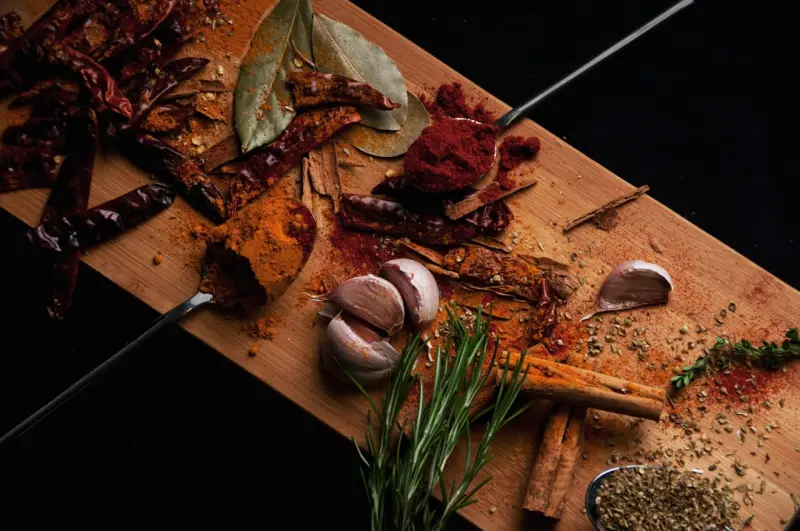
It began on a rainy Thursday when I opened a cupboard full of dull, pre‑ground seasonings that had lost their spark. I realized I was paying for flavor that had long since faded, and the scent of a fresh cumin seed reminded me of bustling markets I’d visited on a whim. That moment sparked a quiet rebellion: I would become the curator of my own spice cabinet, turning everyday cooking into a sensory adventure. By customizing blends, I could honor the dishes I love while trimming the waste that comes from endless packets. The process feels like a small act of culinary self‑care—one that transforms a routine meal into a story waiting to be told. Homemade spice blends not only elevate taste but also reconnect us to the origins of the food we serve.
The Cultural Conversation Behind Every Pinch
Every spice carries a history, a geography, a lineage of hands that have ground it for centuries. When I blend a pinch of smoked paprika with a whisper of cinnamon, I’m echoing the trade routes that once linked Spain to Morocco and the Middle East. This conversation becomes personal when I pair those flavors with a family‑favorite dish, bridging past and present on my plate. By researching the stories behind each seed, I find new ways to honor the cultures that gifted them to us, turning my kitchen into a respectful tribute rather than a mere convenience zone. The more I learn, the more I feel confident swapping out generic store mixes for something that truly reflects my palate and values.
Audit Your Pantry: The Foundation of a Flavor‑First Kitchen
Before diving into recipes, I take a systematic inventory of what’s already on my shelves. I pull out every jar, label, and loose leaf, noting expiration dates and scent strength. Anything past its prime is set aside for compost or repurposing in broth, reducing waste. I then categorize spices into three groups: essential staples (like black pepper, sea salt, and garlic powder), regional heroes (such as sumac or fenugreek), and experimental curiosities (like star anise or smoked salt). This audit reveals gaps—perhaps I lack a good source of dried oregano or fresh dried chilies—and guides my next grocery run. By knowing exactly what I have, I can build blends that use up excess items, ensuring nothing goes to waste and every jar earns its keep.
Building a Core Blend: The All‑Purpose Italian Mix
One of my first projects was a versatile Italian seasoning that could grace pasta, roasted vegetables, or grilled chicken. I combined equal parts dried basil, oregano, and thyme, added a modest spoonful of marjoram for depth, and finished with a pinch of crushed red pepper for subtle heat. The ratios are flexible—start with one tablespoon of each herb, then adjust to taste. I toast the herbs lightly in a dry skillet for two minutes, releasing their aromatics before grinding them in a mortar and pestle. The result is a fragrant, vibrant mix that transforms a simple tomato sauce into a fragrant masterpiece. This base blend serves as a template; once mastered, you can remix it with smoked paprika for a rustic twist or add dried rosemary for a piney accent.
Toast, Grind, Store: Techniques That Preserve Potency
Toasting spices before grinding is a game‑changer; the gentle heat awakens essential oils, amplifying flavor without adding extra ingredients. I spread whole seeds—coriander, cumin, mustard—on a parchment‑lined pan, stirring constantly over medium heat until they emit a nutty perfume, usually two to three minutes. After cooling, I crush them using a mortar and pestle or a spice grinder, aiming for a uniform texture that releases aroma quickly when cooked. For storage, I choose airtight amber glass jars that shield the blend from light and moisture, extending shelf life to six months or more. Labeling each jar with the blend name and date helps me rotate stock efficiently, ensuring I always reach for the freshest mix.
Flavor Meets Function: Health Benefits of Thoughtful Spicing
Spices are not just flavor enhancers; many carry potent health properties that can boost immunity, digestion, and circulation. Turmeric, rich in curcumin, offers anti‑inflammatory benefits, while ginger can soothe nausea and aid metabolism. By creating custom blends, I can tailor them to my wellness goals—for example, adding a dash of cayenne to a morning smoothie for a metabolism kick. This mindful approach aligns with the insights from Fermented Foods, which emphasizes how natural ingredients can enhance vitality. The synergy of spices and fermented staples creates a robust, nutrient‑dense diet without relying on processed additives.
Seasonal Swaps: Letting the Calendar Guide Your Palette
Just as farmers adjust crops to the seasons, I rotate my spice blends to match the produce calendar. In spring, I lean on bright, herbaceous notes—fresh dill, lemon zest, and crushed fennel seed—to complement asparagus and peas. Summer calls for smoky, citrusy blends, where dried orange peel and chipotle mingle with basil for grilled corn. Autumn invites warming spices like nutmeg, sage, and cloves, perfect for root vegetables and hearty stews. Winter, meanwhile, benefits from robust, earthy flavors such as smoked paprika and black cardamom, which add depth to braised meats. This seasonal mindset keeps my cooking dynamic and reduces the temptation to rely on the same few mixes year after year.
Zero‑Waste Spice Crafting: Turning Scraps into Gold
Every kitchen generates aromatic leftovers—herb stems, citrus peels, and spice‑filled sachets. I repurpose these by infusing oil, making broth, or drying them for future blends. For example, the stems of parsley and cilantro, once washed and dried, become an excellent base for a green herb powder. Likewise, the outer layers of bay leaves can be ground into a subtle seasoning after a quick toast. This practice aligns with the principles highlighted in Digital Harvest, where direct connections reduce waste and support sustainability. By creating my own blends, I eliminate the need for excessive packaging and support a circular kitchen economy—every pinch is a step toward a cleaner planet.
Your Invitation to Spice Alchemy
Embarking on the journey of homemade spice blends is both an artistic and practical endeavor. It invites you to pause, smell, and experiment, turning ordinary meals into memorable experiences. Start small—pick three spices you love, toast them, grind them, and store them with pride. As confidence grows, expand your repertoire, explore global flavor maps, and let each blend tell a story of curiosity and care. Remember, the kitchen is a laboratory and a sanctuary; your custom blends are the tools that bridge the two. So, roll up your sleeves, dust off that mortar, and let the alchemy begin—your palate (and the planet) will thank you.

Related Posts
Fermentation at Home: Turning Kitchen Time Into a Flavor Revolution
Megan Morris shares her personal journey into home fermentation, exploring its health benefits, cost... Read More

Zero‑Waste Cocktails: Crafting Delicious Drinks from Kitchen Scraps
Discover how to turn kitchen scraps into star cocktail ingredients, with sourcing tips, reusable too... Read More

From Compost to Cocktail: Crafting Zero‑Waste Drinks That Delight the Palate
Discover the art of zero‑waste mixology: turn citrus peels, herb stems, and coffee grounds into fl... Read More
Top Posts

Casting Beyond the Known: Ontario’s Emerging Fishing Frontiers
Explore Ontario’s lesser‑known lakes and streams, learn sustainable angling habits, and see how modern tech is turning micro‑fishing trips into data‑dri...Read More

Cultivating Resilience: How Canadian Farmers Are Rewriting Rural Well‑Being
Canadian farmers are redefining resilience by addressing mental health, forming cooperative networks, integrating Indigenous knowledge, and adopting renewable e...Read More

The Rise of Canadian Podcasting: Voices, Communities, and Business
Discover why Canada’s podcast scene is booming, from regional storytelling and Indigenous voices to innovative business models and live events that unite list...Read More

Uncovering the Hidden Expenses That Inflate Your Cost of Living
Explore the silent budget busters—subscriptions, food waste, and utility tricks—that swell your cost of living, and get actionable tips to reclaim your mone...Read More
0 Comments
Post Comment
You will need to Login or Register to comment on this post!