
Why the Lesser‑Known Lakes Are the New Hotspots for Ontario Anglers
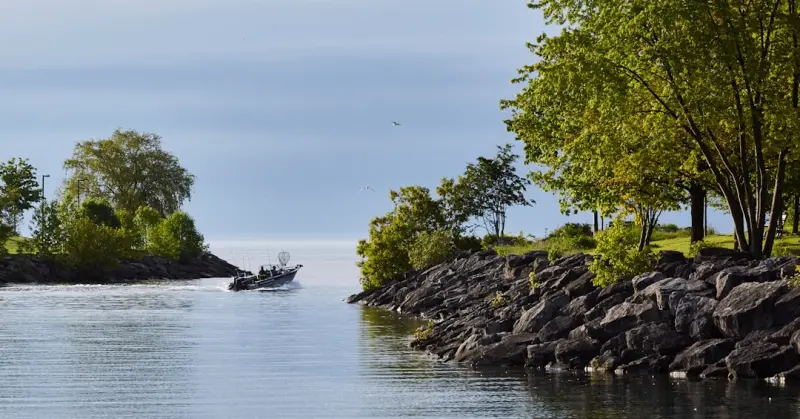
When most people think of Ontario fishing, they picture the legendary Lake of the Woods or the bustling waters of the Great Lakes. Those destinations are undeniably beautiful, but they’re also crowded, heavily fished, and sometimes over‑stocked with the very species that make them famous. I’ve spent the last decade drifting between hidden coves, family‑run lodges, and backcountry streams, and I’m convinced that the next wave of Ontario anglers will be drawn to the province’s quieter, more intimate waters.
In this post I’ll share the stories behind three under‑the‑radar fishing destinations, explore how sustainable practices can keep those ecosystems thriving, and reveal the tech tools that are turning a weekend “trip to the lake” into a data‑driven adventure. If you’ve ever felt the tug of a fish in a place where the only other sound is a loon's call, keep reading—you’re about to discover the frontiers you’ve been missing.
The Rise of Micro‑Adventures: Small Lakes, Big Rewards
Micro‑adventures are all the rage in travel circles, but they’re equally relevant for anglers. A micro‑adventure is a short, low‑cost, and low‑logistics experience that still delivers a sense of discovery. In Ontario, these adventures are found in the province’s myriad small lakes and hidden rivers that rarely appear on mainstream tourism maps.
- Lake St. Thomas – Nestled just a short drive north of Ottawa, this 150‑hectare gem offers crystal‑clear water teeming with brook trout. Its shoreline is lined with mature white‑cedar, providing perfect cover for both fish and anglers looking for a quiet spot.
- Blackwater Creek – A meandering tributary in the Algonquin Highlands, Blackwater is famous among local fly‑fishers for its resident brown trout. The creek’s gentle gradient makes it ideal for both beginners and seasoned pros who love to practice their casts.
- Lake Wabigoon’s East Arm – While the western side of Wabigoon is heavily visited, the eastern arm remains a sanctuary for walleye and northern pike. Its shallow bays and submerged timber create a complex habitat that supports a healthy fish population.
What unites these spots isn’t just their size, but the sense of stewardship they inspire. When you’re the only one on a quiet shoreline, the responsibility to leave the water as pristine as you found it becomes personal.
Embedding Sustainability Into Every Cast
Fishing has always been about balance—taking from nature while giving back. The past few years have seen a surge in “catch‑and‑release” etiquette, but true sustainability goes deeper than just releasing a fish.
Leave No Trace principles are now standard for many outdoor activities, yet they’re often overlooked on small lakes where the impact feels negligible. Here’s a quick checklist for any micro‑adventure:
- Pack out everything: Even biodegradable fishing line can harm aquatic life if left behind.
- Use barbless hooks: They reduce injury to fish and make release easier.
- Limit bait runoff: Opt for natural baits or lure‑only techniques to prevent chemical contamination.
- Respect spawning zones: Many of Ontario’s smaller bodies have protected areas that aren’t always clearly marked.
One of my favorite lessons came from a conversation with a local organic farmer who grew small‑scale sustainability lessons that translate perfectly to fishing. Just as microgreens thrive when you provide the right soil, light, and water, fish populations flourish when anglers respect their habitat and provide the conditions they need to reproduce.
Tech‑Enabled Angling: Turning Data Into a Better Day on the Water
Technology isn’t just for the corporate office—it’s reshaping how we fish, too. The modern angler can now pull real‑time water temperature, depth maps, and even fish‑activity forecasts from a smartphone.
One of the most exciting developments is the integration of Ontario fishing data insights from citizen‑science platforms. Anglers upload catch reports, water conditions, and habitat observations, creating a crowdsourced database that helps everyone make smarter decisions.
Here’s a short guide to the tools that are becoming indispensable on a micro‑adventure:
- Water‑Temp Sensors – Small Bluetooth devices that clip to a line and transmit temperature readings to an app. Knowing the thermal layers can tell you where trout are holding.
- Depth‑Finding Sonar – Portable, handheld units that map the lakebed in real time. Modern models integrate with GPS, letting you tag promising spots for future trips.
- Fish‑Activity Forecasts – Leveraging AI, some apps predict bite times based on historic data, weather patterns, and lunar cycles. While not a guarantee, they dramatically improve your odds.
- Digital Logbooks – Instead of a paper notebook, many anglers now log catches in cloud‑based journals, automatically syncing with the data platforms mentioned earlier.
When you combine these tools with a micro‑adventure mindset, you’re not just fishing—you’re participating in a living, learning ecosystem. The data you gather feeds back into the community, informing better management practices for the very lakes you love.
Building Community Without Crowding the Shore
One myth about remote fishing spots is that they’re isolated, limiting the sense of community that many anglers cherish. In reality, the digital age has made it easier than ever to connect with fellow anglers, share tips, and coordinate meet‑ups—without ever turning a quiet lake into a bustling hotspot.
Online forums and regional Facebook groups have dedicated threads for “secret spots” where members exchange updates on water levels, ice‑out dates, and local regulations. By participating responsibly—sharing information without revealing exact coordinates for vulnerable habitats—you help preserve the serenity of these locations while still benefiting from collective wisdom.
Think of it as a modern version of the old “fly‑shop” gatherings, where seasoned anglers would gather after a day on the water to discuss the day’s hatches. Today, those discussions happen over video calls, with screen shares of sonar images and live weather feeds.
Planning the Perfect Micro‑Fishing Trip
Now that you know where to go, how to stay sustainable, and which tech to bring, let’s break down the planning process into manageable steps.
- Pick Your Destination – Choose a lake or creek that matches the species you want to target. For example, if you’re after brook trout, Lake St. Thomas offers the right combination of depth and cold water.
- Check Regulations – Ontario’s Ministry of Natural Resources publishes seasonal restrictions, size limits, and catch‑and‑release zones. A quick check on their website can save you a costly fine.
- Gather Gear – Pack light but smart. A compact rod, barbless hooks, a portable sonar, and a waterproof phone case are enough for a day‑trip.
- Download Your Apps – Install a water‑temp sensor app, a sonar mapping tool, and a digital logbook before you leave. Sync them to the same cloud account for seamless data sharing.
- Prepare for Sustainability – Bring reusable water bottles, biodegradable bags for trash, and a small first‑aid kit. Remember the Leave No Trace checklist above.
- Connect with the Community – Post a “trip planned” note in your local fishing group (without giving away exact coordinates). You might get a heads‑up on recent weather changes or a tip about a hidden inlet.
By following this checklist, you’ll arrive at the water confident, prepared, and ready to truly experience the quiet joy that makes micro‑adventures so rewarding.
From the Shoreline to the Future: Why These Small Lakes Matter
Ontario’s famed fishing destinations will always hold a special place in the province’s culture, but the future of angling lies in the hidden waters that are less pressured, more diverse, and often more resilient to climate change. Smaller lakes tend to have cooler, deeper pockets that serve as refuges during hot summers, protecting species that might otherwise struggle in larger, more exposed bodies of water.
Investing time—and data—into these ecosystems can help scientists track how fish populations adapt over time. In fact, the interconnected ecosystem thinking that’s driving advances in health data is strikingly similar to the collaborative monitoring happening on Ontario’s lakes. Both fields rely on real‑time information, community participation, and a shared goal of long‑term wellbeing.
When anglers treat each outing as a research opportunity, they become stewards rather than merely participants. The data you collect on water temperature, fish activity, and habitat health can inform conservation strategies, ensuring that the next generation of anglers will also have thriving waters to explore.
Closing Thoughts: The Joy of the Uncharted
There’s a particular magic that happens when you cast a line into a lake that only a handful of people have ever fished. The silence, the anticipation, the sudden splash of a fish breaking the surface—these moments feel raw, unfiltered, and profoundly personal. By embracing micro‑adventures, practicing sustainability, and leveraging modern technology, you’re not only enriching your own angling experience but also contributing to the health of Ontario’s aquatic ecosystems.
If you’ve been waiting for a sign to leave the crowded docks behind, consider this your invitation. Grab a rod, pack light, and set your GPS for the next hidden gem on the map. The water is waiting, and the fish are eager to meet a respectful, curious angler like you.

Related Posts
Reeling in the Future: Ontario’s Farm‑to‑Table Fish Revival
Ontario’s anglers are turning their catches into culinary experiences, partnering with local chefs... Read More
Beyond the Popular Piers: Discover Ontario’s Hidden Fishing Havens
A guide to Ontario’s off‑the‑radar fishing locations, offering tips, gear recommendations, and... Read More
Hidden Waters: Discover Ontario’s Secret Fishing Spots and Night‑Time Tactics
Dive into Ontario’s hidden fishing gems, learn night‑time techniques, and adopt low‑impact gea... Read More
Top Posts
Tariff Shockwaves: How SaaS Leaders Can Turn Trade Barriers into Growth Engines
Tariffs are reshaping the economics of SaaS expansion. This post reveals why they’ve become a key KPI, how to build tariff‑resilient architecture, negotiate...Read More
Stretching Your Dollar in Rural Areas: Creative Ways to Save
Learn how to save money and make the most of rural life with these creative tips and resources. From embracing local flavors to finding free entertainment, disc...Read More
Cottage Comeback: Remote Work Revives Canadian Seasonal Living
Remote work is reshaping Canadian living, turning traditional summer cottages into permanent, eco‑friendly work‑life sanctuaries that nurture community, boo...Read More

Reimagining National Identity in the Age of Digital Democracy
A deep dive into how digital platforms, data transparency, and collaborative innovation can transform the way a nation tells its story and engages its citizens....Read More
0 Comments
Post Comment
You will need to Login or Register to comment on this post!