
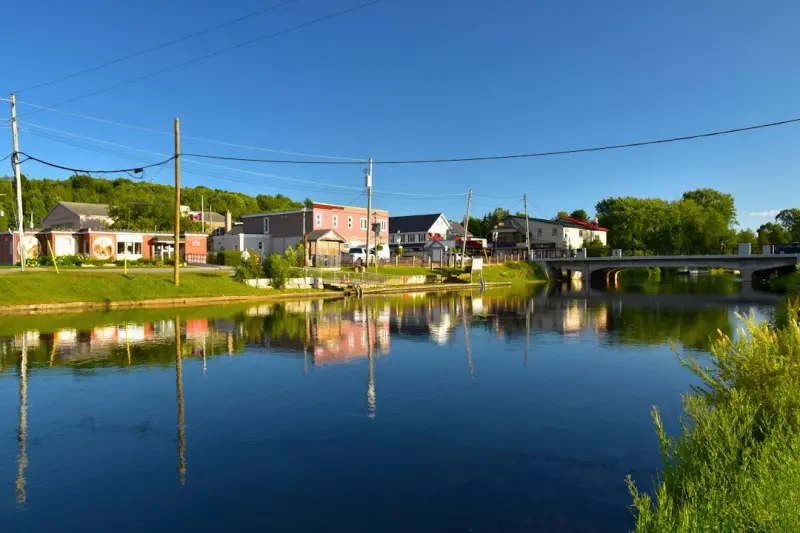
Opening the Door to Ontario’s Secret Rivers
When I first swapped my city‑side apartment for a weekend cabin on the outskirts of Ontario, the fishing scene felt like stepping onto a stage that few have ever seen. The roar of the Great Lakes often dwarfs the gentle murmur of the province’s smaller waterways, but those modest rivers and tributaries are now humming with a quiet excitement that’s reshaping how we think about angling.
Why the Small‑Town Rivers Are Gaining Traction
There’s a wave of local pride building around these watercourses, and it’s not just about the trophy bass or the feisty walleye. It’s about community, sustainability, and a sense of discovery that larger, well‑known spots can’t provide. Here are three forces driving this trend:
- Community‑led stewardship: Residents are forming co‑ops to monitor water quality, stock native fish, and educate newcomers.
- Climate‑adaptive species: As temperatures shift, species once limited to southern lakes are migrating upstream, creating fresh opportunities for anglers.
- Tech‑enabled experiences: From mobile apps that map hidden riffles to social platforms that amplify word‑of‑mouth, technology is making the “secret” rivers more accessible without compromising their charm.
From Data‑Heavy Talk to Ground‑Level Action
While a recent post highlighted how Ontario anglers are leading a data revolution (Ontario anglers data story), the reality on the ground is a lot more tactile. It’s the smell of pine needles, the splash of a trout leaping over a fallen log, and the camaraderie that forms when strangers share a tip about the best sunrise spot.
That hands‑on vibe is what I’m chasing in every article I write—bringing you the feel of the water, not just the numbers.
Spotlight: The Thames River’s Revival
The Thames River, winding through southwestern Ontario, used to be a forgotten tributary. Today, it’s a case study in how community action can turn a modest waterway into a premier fishing destination.
Local volunteers have partnered with the Ministry of Natural Resources to remove invasive plant species and install natural riffles that improve habitat complexity. The result? A surge in native salmonid populations and a growing calendar of “catch‑and‑release” tournaments that draw anglers from Toronto, London, and beyond.
Fishing for Sustainability: A New Ethic Emerges
Modern anglers are increasingly aware that their hobby has ecological footprints. Here’s how the new wave of Ontario fishermen is embracing sustainability:
- Catch‑and‑release with care: Using barbless hooks, wet hands, and quick releases to minimize stress on fish.
- Eco‑friendly tackle: Biodegradable lures and reels made from recycled aluminum reduce plastic waste.
- Local sourcing: Supporting Ontario‑based bait manufacturers cuts transportation emissions and bolsters the regional economy.
These practices aren’t just buzzwords; they’re becoming the standard for charter services and guided tours alike.
Technology’s Gentle Touch: Not a Data Flood, but a Helpful Hand
When you think of tech in fishing, you might imagine satellite‑linked sonar rigs or AI‑driven predictive models. While those tools are powerful, the most impactful tech for Ontario’s smaller rivers is simple, community‑centric platforms.
Take the digital resilience mindset that Canadian SaaS firms are championing. Applied to fishing, it means creating robust, low‑bandwidth apps that can function offline, share water‑level data in real time, and alert users to sudden pollution events—all without draining the battery of a remote‑area smartphone.
Another surprising catalyst is the rise of micro‑influencer networks. Small‑scale anglers with a few thousand followers are now curating “river diaries,” posting real‑time updates on fish activity, and recommending gear that actually works in Ontario’s chillier waters. Their authenticity resonates more than any corporate marketing campaign.
Dynamic Pricing: A Lesson from SaaS for Guided Tours
In the SaaS world, dynamic pricing helps balance supply and demand while maximizing revenue. Forward‑thinking fishing guides in Ontario are adopting a similar model. During peak salmon runs, they offer premium sunrise packages; in off‑season months, they provide discounted half‑day trips to keep the waterways busy and support local economies year‑round.
This flexible pricing not only smooths income streams for guides but also encourages anglers to explore times and spots they might otherwise overlook, spreading the impact—and the enjoyment—across the province.
Building a Community Around the Water
Beyond the fish, the real treasure of Ontario’s lesser‑known rivers is the community they nurture. Here’s how you can become part of it:
- Join local fish clubs: Many towns host monthly meet‑ups where members share recent catches, discuss conservation efforts, and organize clean‑up days.
- Volunteer for citizen‑science projects: Organizations like Ontario Trout & Salmon often need volunteers to collect data on water temperature, flow rates, and species counts.
- Share your stories online: Posting photos, gear reviews, and river conditions on community forums helps keep the collective knowledge growing.
These activities create a feedback loop—more engagement leads to healthier rivers, which in turn attract more anglers.
Gear That Marries Tradition and Innovation
While the heart of Ontario fishing remains rooted in tradition—think classic wooden flies and hand‑tied lures—there’s a subtle infusion of modern tech that respects the environment:
- Smart rods: Equipped with sensors that measure line tension, these rods whisper to you when a fish bites, reducing missed strikes.
- LED‑integrated waders: Perfect for low‑light dawn or dusk fishing, they illuminate just enough to see without scaring the fish.
- Reusable tackle boxes: Made from reclaimed marine plastics, they keep your gear organized while keeping waste out of the water.
Seasonal Highlights: What to Expect When
Ontario’s climate offers distinct fishing windows:
- Spring (April‑May): Ice melt releases a rush of insects, triggering a feeding frenzy for trout and smallmouth bass.
- Summer (June‑August): Early mornings and late evenings become prime for walleye, as the midday heat drives fish to deeper, cooler pools.
- Fall (September‑October): The “golden hour” sees salmon making their upstream runs, providing spectacular action for patient anglers.
- Winter (November‑March): Ice fishing on smaller lakes attached to tributaries offers a quiet, reflective experience that’s gaining popularity among seasoned pros.
Cooking the Catch: From River to Table
After a successful day on the water, the journey continues in the kitchen. Ontario’s fresh‑caught fish deserve simple preparations that highlight their natural flavors. Consider these quick ideas:
- Pan‑seared trout with lemon‑herb butter: A dash of local honey adds a sweet contrast to the buttery sauce.
- Smoked walleye tacos: Use locally sourced corn tortillas and top with a crisp slaw of cabbage and apple.
- Grilled salmon with maple glaze: The provincial maple syrup pairs perfectly with the smoky char of the grill.
Cooking the fish not only celebrates the catch but also supports Ontario’s farm‑to‑table movement, reinforcing the cycle of local sustainability.
Looking Ahead: The Future of Ontario’s Hidden Rivers
The momentum building around Ontario’s small‑town rivers is more than a fleeting trend—it’s a cultural shift. As climate patterns evolve, new species will find homes in these waterways, and the community’s adaptive mindset will ensure that the ecosystems remain vibrant.
What excites me most is the prospect of a networked, resilient fishing community that leverages technology responsibly, respects the environment, and shares stories that inspire the next generation of anglers. If you’ve ever felt the tug of a line on a quiet riverbank, you’ll understand why this movement feels like a fresh breath of pine‑scented air.
So, pack your gear, tune into the local river forums, and let Ontario’s hidden currents guide you to the next big catch. The water’s waiting, and so are the stories you’ll create.

Related Posts
High-Tech Angling: How Modern Gadgets Are Transforming Ontario Fishing
From smartphone apps that identify species in seconds to drones that scout hidden reefs, explore how... Read More
From River to Plate: Ontario’s Freshwater Flavors and How to Cook Them
Explore the culinary side of Ontario’s abundant lakes, from proper fish prep to signature recipes,... Read More
Reeling in Balance: Sustainable Fishing Practices for Ontario’s Lakes
A deep dive into responsible angling in Ontario, offering practical tips on gear, catch‑and‑rele... Read More
Top Posts

Why Plant‑Powered Snacks Are the Secret Weapon for Modern Professionals
Explore the strategic benefits of plant‑based snacks for modern professionals, featuring science‑backed nutrients, easy recipes, and digital tools to optimi...Read More

Transforming Customer Feedback Into Your Next Growth Engine
Learn to transform everyday customer comments into a powerful engine for product innovation and revenue, using data, culture, and smart tools to stay ahead of t...Read More

Beyond the Plate: How Mindful Snacks Power Remote Teams
A deep dive into the science of snack nutrition, seasonal produce, and sustainable sourcing shows how remote teams can turn simple desk snacks into powerful too...Read More

Connecting the Dots: How Interoperable Health Data Can Transform Canadian Preventive Care
Canada’s health system is poised for a preventive care overhaul through interoperable data, robust broadband, and patient‑centric consent, promising faster,...Read More
0 Comments
Post Comment
You will need to Login or Register to comment on this post!