
Theatre of the Plate: How Storytelling Restaurants Are Turning Meals Into Adventures
Imagine stepping into a space where the menu reads like a script, the lighting shifts with each course, and the staff become characters guiding you through a plot that culminates in a perfectly plated dessert. This isn’t a gimmick for a one‑off pop‑up; it’s a growing movement that’s reshaping what we expect from a night out. As someone who’s spent years watching the restaurant world oscillate between flash trends and timeless classics, I’ve started to notice a subtle yet powerful shift: eateries are becoming storytellers.
From Concept to Curtain Call
At its core, storytelling dining is about intention. It begins with a concept that answers three questions:
- What narrative are we trying to convey? Whether it’s a journey through the Amazon rainforest, a homage to a classic novel, or an abstract exploration of the five senses, the story sets the framework for every decision that follows.
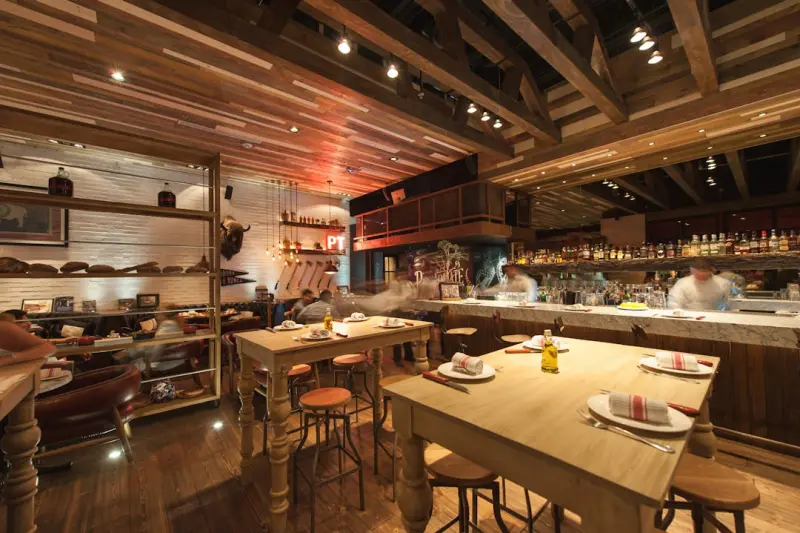
- How does the space support that story? Architecture, lighting, soundscapes, and even tableware are chosen to reinforce the theme. Think of a dimly lit speakeasy vibe for a 1920s prohibition tale, or a bright, botanical interior for a farm‑to‑table saga.
- What role does the food play? Dishes become plot points. A starter might introduce a “character” – perhaps a bright citrus‑infused amuse‑bouche that awakens the palate, while a main course serves as the “climax,” delivering bold flavors that resolve the narrative tension.
When these elements sync, the result is an experience that feels less like a dinner and more like a performance. The guest isn’t just eating; they’re participating in a live, sensory story.
Why This Matters in a Saturated Market
Restaurants have long grappled with differentiation. In an age where diners can scroll through endless options on delivery apps, standing out requires more than just a signature dish. Storytelling offers a multi‑dimensional value proposition:
- Emotional Engagement – Humans are wired to remember stories better than facts. A compelling narrative creates an emotional anchor, turning first‑time visitors into repeat guests.
- Social Currency – Guests love sharing unique experiences on social media. A restaurant that feels like an Instagrammable set piece naturally generates user‑generated content, amplifying its reach without paid ads.
- Higher Perceived Value – When diners feel they’re part of an immersive event, they’re often willing to pay a premium for the added “theatrical” element.
Designing the Narrative: Collaboration Is Key
Creating a storytelling restaurant isn’t a solo chef’s endeavor. It requires a collaborative team that often includes:
- Creative directors or narrative designers who map out the story arc.
- Architects and interior designers who translate abstract concepts into tangible spaces.
- Sound engineers who craft auditory backdrops – from ambient rainforest sounds to subtle jazz riffs that shift with each course.
- Technology partners who integrate subtle digital cues, such as projection mapping on walls that change as the meal progresses.
One standout example is a downtown venue that partnered with a local theater troupe. The troupe wrote a short script inspired by regional folklore, and each course corresponded to a scene. As diners moved from the “forest” appetizer to the “river” main, projected visuals and subtle scent diffusers deepened the immersion. The result? A 30% increase in table turnover because patrons lingered just long enough to experience the story, but not so long that it bottlenecked service.
Technology Meets Tradition
While the core of storytelling is human connection, technology can amplify the effect. Here are three tech tools that are quietly powering these experiences:
- RFID‑enabled menus – Guests tap a wristband or card to reveal the next “chapter” on a digital screen, complete with dish descriptions, ingredient origins, and behind‑the‑scenes videos.
- Ambient lighting systems – Smart LEDs adjust hue and intensity in real time, mirroring the mood of each course. A deep amber glow may accompany a hearty stew, while a crisp blue light sets the stage for a light seafood salad.
- Acoustic design – Directional speakers deliver localized soundscapes, ensuring that a table near the bar isn’t overwhelmed by a distant forest ambience meant for a private booth.
These tools are not about flashy gimmicks; they’re about subtle enhancements that keep the focus on the story while preserving the authenticity of the food.
Menu Architecture: Writing with Flavor
In a storytelling restaurant, the menu becomes a script. Chefs must think like writers, ensuring each dish has a clear purpose and a logical place in the arc. A common structure looks like this:
- Prologue (Amuse‑Bouche) – Sets the tone, introduces the “setting” with a bite that teases flavors to come.
- Exposition (First Course) – Provides context, often featuring lighter, palate‑cleansing flavors that hint at the main themes.
- Rising Action (Second Course) – Builds complexity, layering textures and intensifying taste profiles.
- Climax (Main Course) – The narrative peak; a dish that delivers the boldest flavors and most intricate plating.
- Resolution (Dessert) – Brings the story to a satisfying close, often incorporating contrast to leave a lingering impression.
When done well, diners can articulate the “story” after the meal, describing how the flavors evolved and why the experience felt cohesive.
Case Study: The “Chronicle Kitchen” Experiment
Last summer, a boutique restaurant in a mid‑size city launched an experimental menu called “Chronicle Kitchen.” The concept was to take guests through the four seasons in a single sitting. Each course represented a different season, and the décor shifted subtly as guests moved from one plate to the next:
- Spring – A light herb‑infused salad served on a translucent glass plate that glowed with soft green LED lighting.
- Summer – Grilled corn‑cob risotto presented under a warm amber wash, accompanied by a short video of sun‑drenched fields projected onto the ceiling.
- Autumn – A slow‑braised pork shoulder with caramelized apple puree, paired with a faint rust‑colored light and the scent of fallen leaves diffused nearby.
- Winter – A chilled vanilla‑bean panna cotta topped with edible snowflakes, served under a cool blue hue and the gentle sound of distant wind.
The experiment was a hit. Not only did the restaurant see a 45% increase in reservations for the “Chronicle” nights, but diners also posted longer videos (averaging 2‑minute clips) on social platforms, explaining the narrative journey they’d just lived through. The owners credit this success to a clear story arc, meticulous attention to sensory details, and a menu that honored seasonal produce while delivering dramatic flair.
Balancing Story with Sustainability
One critique of immersive dining is the risk of excess – elaborate set pieces, single‑use décor, and lavish plating can clash with the growing demand for sustainable practices. The most forward‑thinking storytelling restaurants are tackling this head‑on by:
- Using upcycled ingredients for cocktails and sauces, turning waste into narrative elements (e.g., “forest‑floor” bitters made from spent coffee grounds).
- Choosing modular set designs that can be reconfigured for different stories, reducing the need for new construction each season.
- Partnering with local farms to source ingredients that align with the story’s geography, minimizing carbon footprint while adding authenticity.
- Designing menus that highlight textural variety as a storytelling device, which also encourages diners to slow down and appreciate each bite, potentially reducing over‑consumption.
When narrative and sustainability intersect, the result is a richer experience that resonates with eco‑conscious diners.
The Business Impact: Metrics That Matter
From a restaurant‑owner perspective, the storytelling model isn’t just artistic; it’s measurable. Key performance indicators (KPIs) that often improve include:
- Average Check Size – The added experiential component justifies higher price points.
- Guest Retention Rate – Patrons who feel part of a story are more likely to return for the next “chapter” or sequel menu.
- Online Engagement – Higher share rates, longer video watch times, and increased referral traffic from social platforms.
- Table Turnover – While immersive experiences can extend dwell time, thoughtful pacing (guided by the narrative) can keep flow efficient.
One chain of boutique eateries reported a 22% uplift in average ticket size after integrating a rotating story‑driven menu, while also seeing a 15% reduction in food waste thanks to precise portion planning aligned with the narrative arc.
Challenges and Pitfalls
While the concept is alluring, there are practical hurdles:
- Staff Training – Servers must become actors, understanding the story beats to deliver cues at the right moment. Ongoing training and rehearsals are essential.
- Scalability – Translating a deeply immersive concept to multiple locations can dilute the experience if not carefully managed.
- Cost Management – High‑end set pieces and tech integrations can inflate capital expenditures. Restaurants must balance investment against projected revenue uplift.
- Guest Expectations – Over‑promising on narrative depth can lead to disappointment. It’s crucial to set realistic expectations through pre‑dining communications.
Addressing these challenges requires a clear vision, a willingness to iterate, and often a partnership with creative agencies that specialize in experiential design.
Getting Started: A Step‑by‑Step Playbook
If you’re a restaurateur intrigued by the idea, here’s a practical roadmap:
- Define Your Core Story – Identify a theme that aligns with your brand identity and local culture.
- Map the Guest Journey – Outline each course, the associated sensory cues, and the emotional beats you want to hit.
- Assemble a Cross‑Functional Team – Bring together chefs, designers, technologists, and storytellers.
- Prototype a Single Table – Test the concept with a small group of loyal guests, gathering feedback on pacing, clarity, and enjoyment.
- Iterate and Refine – Adjust lighting, sound, and plating based on real‑world data.
- Launch with a Limited Run – Promote as a “seasonal story” to create urgency and gauge demand.
- Measure Impact – Track the KPIs mentioned earlier, and be prepared to tweak the narrative or operational flow.
Remember, the goal isn’t to replace good food with theatrical fluff; it’s to let the two amplify each other, creating a cohesive, memorable experience.
The Future: Narratives as a Service?
Looking ahead, I see a potential evolution where storytelling becomes a subscription model. Imagine a “Narrative Dining Club” where members receive monthly invites to different story‑driven pop‑ups across a city, each curated by a rotating roster of chefs and artists. This could merge the rise of dining clubs, experiential travel, and the subscription economy into a single, compelling offering.
Conclusion: The Power of a Good Story on a Plate
Restaurants have always been about more than sustenance; they’re cultural hubs where community, art, and memory converge. By weaving intentional narratives into every aspect of the dining experience, owners can create moments that linger long after the last bite. It’s a bold direction, but one that promises deeper connections, stronger brand loyalty, and a fresh avenue for culinary creativity.
If you’re ready to turn your restaurant into a stage, start by asking yourself: What story do I want my guests to leave with? The answer will shape your menu, your design, and ultimately, your legacy in the ever‑evolving world of food.

Related Posts
The Ghost Kitchen Revolution: AI, Sustainability, and the New Front‑of‑House
Ghost kitchens are evolving beyond delivery‑only spaces into AI‑powered hubs that blend sustaina... Read More
Dining Trends 2024: A Foodie’s Insider Look at Restaurants Redefining the Experience
A foodie’s insider view on 2024’s restaurant evolution—discover how hyper‑local sourcing, te... Read More

Beyond the Plate: Crafting Conversation‑Centric Dining Experiences
Explore how thoughtful seating, sound, and community events transform dining into a conversation‑r... Read More
Top Posts

Cabin‑Office Fusion: How Canadians Are Redefining Work and Play in the Wilderness
A deep dive into the cabin‑office trend shows how relocating to rustic retreats, backed by modern broadband and sustainable design, is reshaping Canadian work...Read More

Beyond the Stage: How Immersive Audio is Redefining Canadian Entertainment
Immersive audio is turning Canada’s entertainment landscape into a three‑dimensional sound playground, empowering artists, venues, and audiences to experien...Read More
Parental Warning: Navigating the Digital Minefield with Smarts and Heart
Learn how to safeguard your children from unseen digital dangers using clear contracts, chrono‑smart eating, functional foods, and empowered storytelling....Read More

Harvesting Power: How Canadian Farmers are Turning Renewable Energy into a Competitive Edge
Canadian farmers are embracing renewable energy—solar panels, wind turbines, and bioenergy—to cut costs, generate revenue, and lead the charge toward a gree...Read More
0 Comments
Post Comment
You will need to Login or Register to comment on this post!