

The Power of Narrative on the Plate: Crafting a Restaurant Story That Keeps Diners Coming Back
When I first stepped into the bustling kitchen of a downtown bistro, I didn’t notice the garnish on the plates or the precision of the sous‑vide. What struck me was the feeling that the whole place was whispering a story—one that began long before the first guest walked through the door and would linger long after the last fork was set down. That moment made me realize that a restaurant’s greatest asset isn’t just its ingredients or its décor; it’s the narrative that threads every element together.
In the world of hospitality, we often hear about trends: hyper‑local sourcing, plant‑forward menus, or even Fermented Cocktails as the next flavor frontier. Those are important, but they’re the “what.” The “why” and “how”—the story behind every dish, every table setting, every interaction with staff—are the invisible forces that turn a one‑time visitor into a lifelong advocate.
Why Storytelling Matters More Than Ever
Modern diners are curators of experience. They scroll through Instagram feeds, watch short videos, and read reviews before they even consider a reservation. In that digital noise, a compelling story cuts through the clutter. It gives guests a reason to choose your restaurant over the ten others on the same block. It transforms a simple meal into a memory they’ll want to revisit and share.
Here’s what a well‑crafted narrative does for a restaurant:
- Creates Emotional Connection: People remember feelings more than facts. A story that evokes nostalgia, adventure, or a sense of belonging stays with them.
- Builds Brand Consistency: When every touchpoint—from the menu design to the staff’s greeting—reflects a unified story, the brand feels authentic and trustworthy.
- Encourages Word‑of‑Mouth: Guests love to tell a good story. A narrative that’s easy to recount becomes free marketing across social platforms.
- Justifies Premium Pricing: When diners understand the journey behind a dish—whether it’s a family recipe passed down for generations or a collaboration with a local farmer—they’re more willing to pay for that experience.
Mapping the Narrative Landscape: From Concept to Plate
Think of storytelling as a map. The destination is the moment your guest feels a genuine connection; the route is the series of intentional decisions you make along the way. Below is a step‑by‑step framework to help you plot that map.
1. Define Your Core Narrative
Start with a question: What is the heart of your restaurant? Is it a tribute to a hometown heritage, a mission to reduce food waste, or a love affair with a specific ingredient? Write a concise “story statement” that captures this essence. For example:
“At Harbor & Hearth, we celebrate the maritime traditions of the Pacific Northwest by turning locally sourced seaweed and wild foraged mushrooms into modern comfort dishes.”
This statement becomes the north star for every decision you make.
2. Translate Narrative into Menu Language
The menu is your first printed storytelling medium. Move beyond bland descriptions. Instead of “Pan‑seared salmon with lemon butter,” try:
“Coastal Sunrise Salmon – hand‑selected from the chilly waters of the Strait, pan‑seared to a golden blush, and finished with a lemon‑infused butter that mirrors the sunrise over our harbor.”
Notice how the description evokes place, process, and emotion. It also subtly educates the diner about sourcing, which builds trust.
3. Embed Story into the Physical Space
Every design element should echo your narrative. If your restaurant’s story is rooted in an industrial heritage, reclaimed brick walls, vintage metal fixtures, and exposed piping make sense. If it’s about farm‑to‑table freshness, consider a visible herb garden or open‑kitchen concept where guests can watch the preparation in real time.
Even the table settings can tell a story. Hand‑painted ceramic plates sourced from a local studio, or wooden boards carved by a nearby artisan, add tactile chapters to the overall experience.
4. Train Staff as Storytellers
Your front‑of‑house team is the living voice of the brand. Provide them with story cards—short, digestible facts about each dish, the source of the ingredients, or anecdotes about the chef’s inspiration. Encourage them to share these nuggets naturally. A server who says, “The rosemary in this lamb was harvested this morning from the rooftop garden we tend on Saturdays,” adds authenticity that no printed menu can match.
5. Leverage Digital Channels
Online presence is an extension of the restaurant’s narrative. Use your website, blog, and social media to expand on the story you’ve begun in‑house. Share behind‑the‑scenes videos of ingredient sourcing, short interviews with the chef, or a photo series of the local farmer who supplies your heirloom tomatoes.
When you do this, you also create a natural gateway to other valuable content on our site. For instance, if you discuss how data informs your sourcing decisions, you can link to our Data‑Driven Dining article for readers who want a deeper dive.
6. Foster Community Participation
Invite guests to become co‑authors of the story. Host “Story Nights” where diners share personal memories linked to a particular dish, or run a seasonal “Community Menu” where local families submit favorite recipes that get a spot on the menu for a limited time. This not only enriches the narrative but also creates a sense of ownership among patrons.
Case Study: The Tale Behind “The Orchard Table”
To illustrate how narrative can transform a restaurant’s performance, let’s explore a fictitious yet plausible example: a mid‑size bistro called Orchard Table located in a historic district.
Core Narrative: “Celebrating the forgotten orchards that once dotted our city, we bring the flavors of heritage fruit varieties back to the table.”
Menu Integration: Each dish highlights a specific heirloom fruit—think “Black Mulberry Glazed Duck” or “Honeycrisp Apple & Brie Tart.” The menu notes the origin of each fruit and a brief anecdote about the orchard it came from.
Space Design: The dining room features reclaimed wooden beams, vintage fruit crate tables, and murals depicting the city’s orchard past. A small indoor greenhouse houses living fruit trees, reinforcing the connection to the narrative.
Staff Storytelling: Servers receive a “fruit fact sheet” each shift, enabling them to discuss the unique flavor profiles of the fruits and the history of the orchards they originated from.
Digital Amplification: Orchard Table runs a weekly blog series titled “Orchard Origins,” where they interview local horticulturists and share planting tips. One post even links to a broader discussion on sustainable sourcing, referencing our Reaping the Future piece.
The impact? Within six months, the restaurant saw a 25% increase in repeat bookings and a 40% boost in social media engagement, largely driven by guests sharing the unique story behind their meals.
Measuring Narrative Success Without Over‑Analyzing
While the temptation to quantify everything is strong—especially in the SaaS‑driven world of hospitality technology—storytelling thrives on qualitative feedback. Here are a few low‑tech metrics you can track:
- Guest Comments: Monitor reviews on platforms like TripAdvisor or Google. Look for mentions of “story,” “experience,” or specific narrative elements you’ve emphasized.
- Social Shares: Track how often your dishes or events are shared with accompanying captions that reference your narrative.
- Repeat Visits: Use your reservation system to note returning guests and, if possible, ask them what brings them back.
- Staff Engagement: Conduct short surveys to gauge how comfortable your team feels sharing stories, and adjust training accordingly.
These insights will tell you whether your story is resonating or needs refinement.
Common Pitfalls and How to Avoid Them
Even the most well‑intentioned restaurants can stumble when weaving narrative into their brand. Here are three mistakes I’ve observed and the fixes that saved many establishments.
Over‑Complexity
If the story is too intricate, guests will miss it. Keep the core narrative simple—one sentence that can be easily remembered. All other layers (menu descriptions, decor, digital content) should support, not overwhelm, that central idea.
Inauthentic Claims
Modern diners are savvy; they can sniff out falsehoods. If you claim to source 100% local produce, ensure that claim holds up under scrutiny. Transparency builds trust; half‑truths erode it quickly.
Neglecting the Staff Voice
Even the most compelling brand narrative falls flat if your team can’t deliver it. Regularly involve staff in story workshops, solicit their input on how the narrative could be expressed more naturally, and celebrate their contributions.
Action Plan: Turning Narrative Theory into Everyday Practice
Ready to give your restaurant a storytelling makeover? Follow this three‑day sprint to lay the foundation.
- Day 1 – Story Definition: Gather key stakeholders (owner, chef, manager) for a two‑hour brainstorming session. Draft a one‑sentence core narrative and list three supporting story pillars (e.g., local heritage, sustainability, culinary adventure).
- Day 2 – Touchpoint Audit: Walk through the restaurant and note every guest‑facing element—menus, signage, staff scripts, décor. Identify which elements already align with the narrative and which need redesign.
- Day 3 – Implementation Sprint: Update at least two touchpoints (e.g., rewrite two menu items and create a story card for the front‑of‑house). Train staff on the new story elements and schedule a soft launch with a small group of regular diners for feedback.
After the sprint, set a monthly check‑in to iterate based on guest and staff feedback. Over time, you’ll see the narrative becoming an integral, effortless part of every guest interaction.
Conclusion: The Story Is the Dish
In an industry where flavor, service, and ambiance constantly evolve, the story remains the most enduring ingredient. It’s the secret sauce that makes a meal unforgettable, a brand memorable, and a community engaged. By deliberately crafting and living your restaurant’s narrative—through menu language, physical space, staff training, and digital storytelling—you’ll create a magnetic pull that keeps guests returning, sharing, and advocating.
So next time you set a table, ask yourself: what story am I serving today?

Related Posts
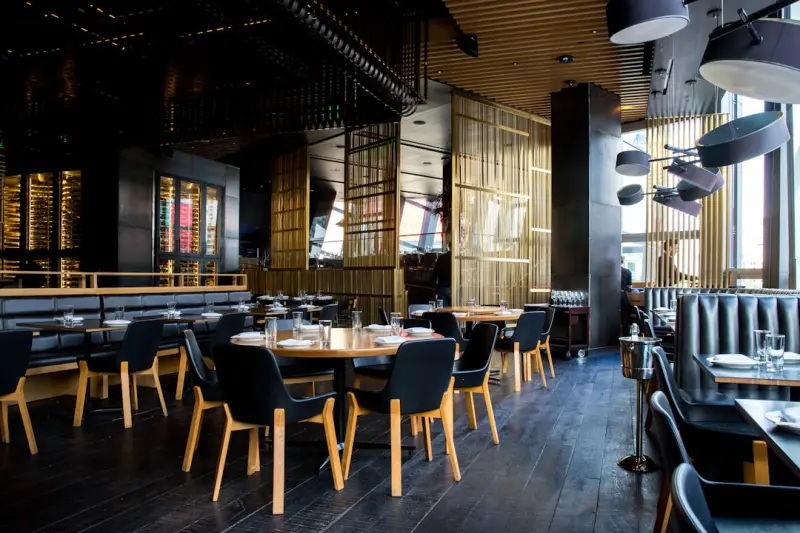
Ghost Kitchens Unleashed: How Traditional Restaurants Can Ride the Delivery Wave
Ghost kitchens are reshaping the restaurant industry. Learn how traditional eateries can leverage de... Read More

Ghost Kitchens: The Invisible Engine Powering Restaurant Innovation
Ghost kitchens are quietly revolutionizing the restaurant industry by leveraging data, hyper‑local... Read More
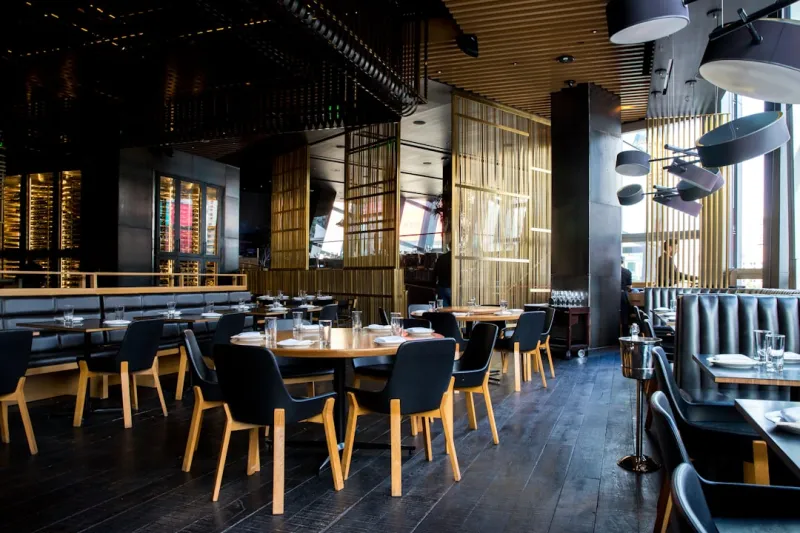
How I’m Navigating the Hottest Restaurant Trends of 2024
Shawn DesRochers uncovers 2024’s restaurant revolutions, from hyper‑local menus and tech‑savvy... Read More
Top Posts

The SaaS Legal Playbook: Preparing for the Next Wave of Regulation
A forward‑thinking legal framework can turn compliance into a competitive advantage for SaaS companies. This guide outlines five essential pillars—corporate...Read More
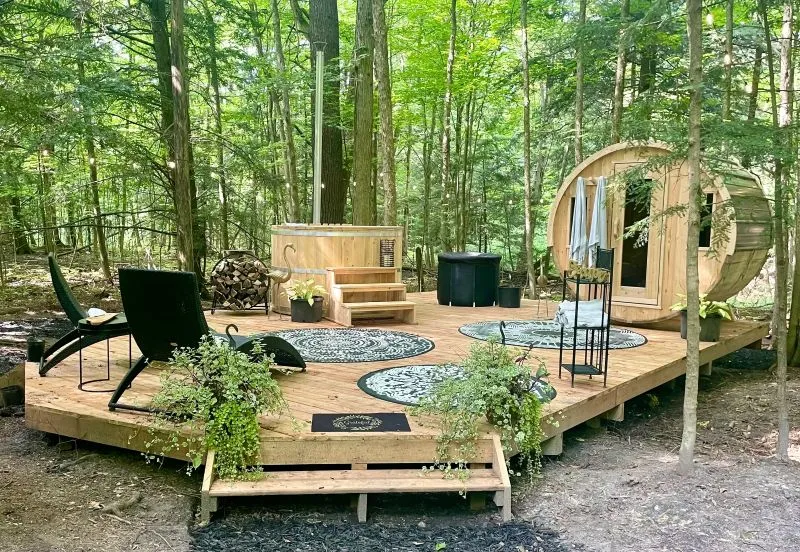
Where to Go Glamping in Ontario: Unleash Your Inner Glamper
Ontario, with its vast landscapes, shimmering lakes, and lush forests, is a nature lover's paradise. But what if you could experience all that beauty without sa...Read More

AI‑Drafted Contracts: Legal Pitfalls and the Path Forward
AI drafting tools promise speed, but they also introduce accuracy, bias, and data‑privacy risks. This article examines those pitfalls and offers practical saf...Read More

Why Canada’s Move Toward Proportional Representation Could Reshape Parliament
A deep dive into why shifting to proportional representation could transform Canadian democracy, offering fairer representation, stronger Indigenous voices, and...Read More
0 Comments
Post Comment
You will need to Login or Register to comment on this post!