
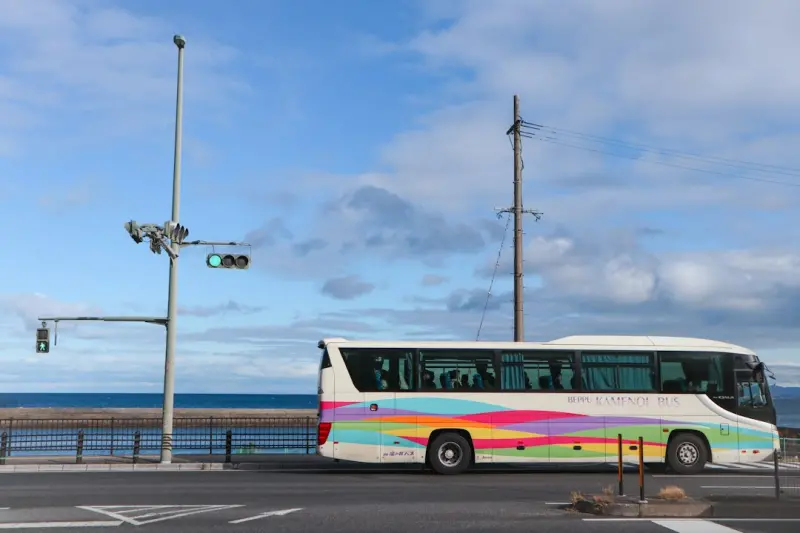
Imagine stepping off a sleek cruise ship, the sea breeze still clinging to your skin, and instead of heading straight to the airport, you board a polished, climate‑controlled coach that whisks you through winding countryside villages, hidden markets, and centuries‑old monasteries. That juxtaposition of ocean‑wide grandeur and road‑level intimacy is no longer a niche curiosity—it’s fast becoming a strategic lever for travel operators looking to deepen engagement, stretch budgets, and champion sustainability.
From “Port of Call” to “Portal of Discovery”
For decades, the cruise industry has treated ports as static check‑in points—places where passengers disembark, snap a few selfies, and then return to the ship. The reality on the ground, however, is a mosaic of micro‑experiences that can’t be squeezed into a two‑hour window. By integrating purpose‑built bus tours that align with a ship’s itinerary, operators can transform each port into a portal of discovery, turning what was once a brief layover into a curated narrative arc that spans land and sea.
Take the case of the Mediterranean’s lesser‑known archipelagos. A cruise might linger at a modest harbor for six hours. Instead of offering a generic city tour, a partner bus service could ferry guests to a nearby vineyard perched on a cliff, where they taste a single‑origin olive oil while learning about the region’s ancient agro‑ecology. The result? A layered memory that stitches together the salty spray of the sea with the earthy aroma of the olive groves—an experience that lingers far longer than the ship’s horn.
The Business Case: Revenue, Retention, and Resilience
From a B2B SaaS perspective, the multi‑modal model unlocks three clear revenue streams:
- Ancillary Upsell: Bus operators can offer tiered experiences—from “quick glimpse” shuttles to immersive, full‑day excursions—each priced separately. The cruise line earns a commission, while the bus partner captures the direct sale.
- Data‑Driven Personalization: By syncing passenger preference data (collected via the cruise’s loyalty app) with the bus itinerary planner, operators can push tailor‑made suggestions—think art‑lovers getting a private gallery tour, foodies receiving a chef‑led market walk.
- Risk Mitigation: Diversifying the travel product reduces reliance on sea‑only capacity. If rough weather forces a ship to cancel a day at sea, a land‑based program can fill the gap, preserving both revenue and guest satisfaction.
In practice, this means integrating the cruise’s CRM with the bus operator’s scheduling platform—a classic example of an conversational commerce workflow where a chatbot on the ship’s app can instantly book a seat on a shore‑side coach, confirming the reservation with a single tap.
Designing the Seamless Transition
Logistics often feel like the most daunting hurdle, but a few design principles keep the experience frictionless:
- Coordinated Check‑In: Passengers receive a digital boarding pass for the bus at the same time they get their cruise cabin key. QR codes can be scanned at the dock, eliminating queues.
- Unified Branding: Uniform staff uniforms, color palettes, and signage create a visual continuity that reassures travelers they’re still within the same ecosystem.
- Real‑Time Updates: If a ship’s arrival slips, the bus’s GPS‑linked system pushes push notifications, adjusting pick‑up times on the fly.
- Accessibility First: Low‑floor coaches, multilingual guides, and tactile maps ensure the experience is inclusive, tapping into a growing segment of senior and disabled travelers.
When these elements align, the transition feels less like hopping between two unrelated services and more like stepping from one chapter of a story to the next.
Sustainability: The Green Dividend
Environmental stewardship is no longer a nice‑to‑have; it’s a competitive imperative. By replacing short‑haul flights with electric or hybrid coaches, cruise lines can slash their carbon footprints dramatically. According to a recent study on climate‑ready initiatives, a single electric bus can offset the emissions of an average domestic flight for up to 15 passengers.
Moreover, bus tours often spotlight local, low‑impact attractions—walking tours, community farms, and heritage sites that are less likely to suffer from overtourism. By channeling guests to these destinations, operators support local economies while preserving the very landscapes that make the cruise itinerary appealing.
Technology as the Glue
AI and data analytics are quietly reshaping how multi‑modal travel is orchestrated. Predictive models analyze weather patterns, sea conditions, and historic boarding data to recommend optimal bus departure windows, reducing idle time and fuel consumption. Meanwhile, augmented reality (AR) overlays can turn a mundane bus ride into an interactive classroom: as the coach rolls past a medieval fortress, passengers can point their phones at the structure and see a 3D reconstruction of its original glory.
These tech layers echo the insights from Beyond the Lens: Crafting a Sensory Travel Experience, where the authors argue that enriching the sensory palette—sight, sound, smell—elevates memory retention. A bus equipped with subtle scent diffusers (think citrus for a coastal town) or a curated playlist of regional folk music turns the journey itself into a destination.
Case Study: The “Coastal Loop” in Northern Portugal
One European cruise line recently piloted a “Coastal Loop” that paired a week‑long Atlantic itinerary with a series of mini‑bus excursions. Highlights included:
- A sunrise hike to a cliffside lighthouse, followed by a sunrise‑themed brunch served on the bus’s panoramic deck.
- An exclusive tasting of Vinho Verde in a centuries‑old cellar, coordinated through the cruise’s loyalty app, which logged each guest’s wine preferences and suggested pairings.
- A night‑time “Starlight Bus” that drove along the dunes, equipped with telescopes and a local astronomer to discuss maritime navigation history.
Post‑trip surveys indicated a 27% increase in Net Promoter Score (NPS) compared to previous sailings without the bus component. Guests cited “the unexpected land adventure” as the most memorable part of the trip, underscoring how the added modality amplified overall satisfaction.
Challenges and Mitigation Strategies
While the upside is compelling, there are pitfalls to watch:
- Scheduling Conflicts: A delayed ship can cascade into missed bus departures. Solution: reserve a buffer window and equip buses with live‑track dashboards that can adjust routes on the fly.
- Partner Alignment: Not every bus operator shares the cruise line’s standards for safety and service. Vet partners rigorously, and consider joint training programs.
- Regulatory Hurdles: Cross‑border bus tours may require visas or special permits. Leverage local tourism boards to navigate paperwork well in advance.
- Technology Integration Costs: Building API bridges between disparate systems can be pricey. Start with a pilot in a single port to prove ROI before scaling.
Future Horizons: From One‑Day Trips to Multi‑Day “Land‑Cruises”
Looking ahead, the line between cruise and bus tour could blur further. Imagine a scenario where a ship drops passengers at a coastal hub, and instead of returning after a day, guests embark on a multi‑day “land‑cruise” aboard a luxury coach, stopping at boutique hotels, vineyards, and cultural festivals before re‑boarding the ship at a different port. This model would enable travelers to cover vastly more ground—literally—without purchasing a separate land‑based vacation.
Such hybrid itineraries would demand sophisticated itinerary engines, dynamic pricing algorithms, and seamless hand‑offs between sea‑ and land‑based staff. Yet the payoff—a truly integrated travel experience that maximizes time, minimizes waste, and delivers unforgettable narratives—could redefine the very notion of a “cruise vacation.”
Actionable Takeaways for Operators
If you’re a cruise brand or a bus operator eyeing this synergy, start with these three steps:
- Map Overlapping Demographics: Identify the passenger segments most likely to value land extensions—families, cultural enthusiasts, and eco‑travelers.
- Build a Minimum Viable Integration: Develop a simple API that shares passenger manifests and schedule data, then test with a single port and a trusted bus partner.
- Measure, Iterate, Scale: Track key metrics—ancillary revenue, NPS, carbon savings—and refine the offering before rolling out to additional regions.
By treating the bus as an essential chapter rather than an afterthought, the cruise industry can unlock a new frontier of guest delight, operational resilience, and environmental stewardship.
So next time you hear a cruise ship’s horn in the distance, ask yourself: what if the real adventure begins the moment you step onto the dock and climb aboard a coach bound for the hidden gems that lie just beyond the shoreline? The sea is only the starting point—your journey truly starts on the road.

Related Posts

Sailing the Open Road: Why Hybrid Cruise‑Bus Adventures Are the Next Travel Frontier
Explore the rising trend of hybrid cruise‑bus adventures, where sea breezes meet open‑road charm... Read More
Why AI‑Powered Personalization Is the Next Frontier for Cruise and Bus Tours
The post examines how artificial intelligence is enabling cruise lines and bus operators to deliver ... Read More

Why City Cruises Should Be Your Next Adventure
Are you yearning for a unique perspective, a fresh breeze, and a memory that will last a lifetime? F... Read More
Top Posts

Reeling into Ontario: Seasonal Secrets Every Angler Should Know
Discover Ontario's year‑round fishing secrets, from spring walleye runs to hidden winter ice holes, and learn how local tips and conservation keep the waters ...Read More

Beyond the Horizon: How Rail Journeys Redefine Sustainable Adventure
Discover the rise of rail‑based tourism that offers immersive cultural stops, eco‑friendly routes, and farm‑stay adventures, redefining sustainable travel...Read More

The Rise of Homegrown Comedy: How Canada’s Funny Bone is Going Global
From basement clubs to worldwide streaming platforms, Canadian comedians are turning regional humor into a global export, reshaping the entertainment landscape ...Read More

Micro‑Movements: The Tiny Exercise Revolution Boosting Workplace Health and Performance
A practical guide to incorporating five‑second micro‑movements into your daily workflow, showing how these tiny actions enhance circulation, reduce stress, ...Read More
0 Comments
Post Comment
You will need to Login or Register to comment on this post!