
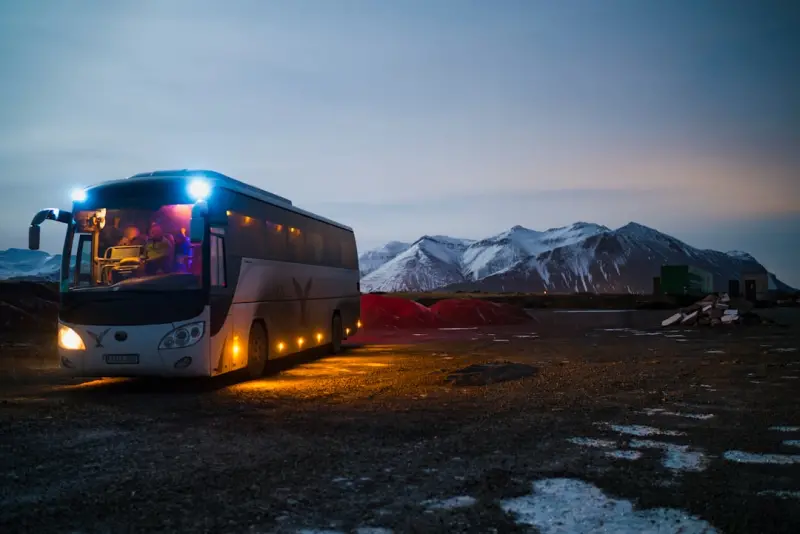
Why the Future of Exploration Lies in Seamless Land‑Sea Journeys
When I first stepped aboard a grand liner cruising the Pacific, I expected the ocean to be the sole stage for my adventure. A few weeks later, after hopping onto a comfortable coach that threaded through rugged mountain passes, I realized the real magic happens when the sea and the road converge. The hybrid cruise‑bus model is reshaping how wanderers experience regions that were once split between “water itinerary” and “overland trek.” This isn’t a fleeting gimmick; it’s a response to a growing desire for depth, flexibility, and responsible travel.
From Fragmented Itineraries to Integrated Storytelling
Traditional travel planning often forces a binary choice: either book a cruise that hugs coastlines or invest in a bus tour that cuts across the interior. The result is a fragmented narrative—one that skims the surface of a destination before leaping to the next. Travelers now crave a story that flows naturally, allowing them to start on the deck of a ship, disembark onto a bus, and continue the tale inland without a jarring hand‑off.
Integrated itineraries accomplish three things:
- Continuity of theme: Whether the focus is wildlife, culinary heritage, or historic railways, the same narrative thread runs through both sea and land legs.
- Extended immersion: By staying a night or two in a remote town after a cruise dock, you absorb local rhythms that a short port stop simply can’t provide.
- Optimized logistics: Coordinated schedules minimize downtime, turning what used to be idle waiting periods into meaningful experiences.
Designing a Cohesive Land‑Sea Experience
Creating a seamless hybrid journey requires careful choreography between two traditionally siloed industries. Below are the core pillars that successful operators are mastering.
1. Shared Data Platforms
When the cruise line’s reservation system talks to the bus operator’s scheduling software, real‑time updates on weather delays, passenger counts, and onboard preferences become possible. The result? A dynamic itinerary that can adjust on the fly, ensuring that a delayed docking doesn’t cascade into a missed bus connection.
Many forward‑thinking travel agencies are leveraging cost‑effective SaaS tools for travel planners to centralize data, reduce manual hand‑offs, and keep margins healthy.
2. Themed Transfer Vehicles
Imagine stepping off a cruise ship into a coach that mirrors the ship’s interior design—same color palette, similar lounge seating, even a curated playlist that echoes the maritime vibe. The visual continuity reinforces the sense that you’re still part of the same journey, merely changing scenery.
3. Local Partnerships that Extend the Narrative
Collaborations with community‑run lodges, indigenous guides, and regional food producers add layers of authenticity. Rather than treating the inland stop as a mere “excursion,” operators integrate local experiences directly into the cruise narrative, allowing passengers to meet the people who shape the land they just sailed past.
For those seeking inspiration on how to spotlight lesser‑known spots, the story of off‑the‑beaten‑path inland gems offers a blueprint for weaving micro‑destinations into a larger travel tapestry.
4. Sustainable Mobility Practices
Hybrid itineraries present a natural platform for sustainability. Modern coaches equipped with low‑emission powertrains reduce the carbon footprint of overland legs, while many cruise lines are experimenting with shore‑side electrification and waste‑reduction programs. By pairing these green initiatives, operators can market a truly low‑impact adventure.
Travelers are increasingly calculating the “eco‑score” of each segment. When the sea leg uses advanced wastewater treatment and the land leg runs on bio‑fuel, the combined trip often outperforms the traditional cruise‑only model in emissions per passenger‑kilometer.
Case Studies: Where the Concept Is Already Sailing
Alaskan Frontier Fusion
A major Pacific cruise line now offers a 7‑day sail from Vancouver to Juneau followed by a 3‑day coach expedition into the interior’s gold‑rush towns. Passengers stay in historic cabins restored by local families, partake in salmon‑smoke workshops, and hike trails that the original railways once traversed. The onboard program includes nightly talks from the bus guide, previewing the inland stories awaiting them.
Caribbean Rainforest Relay
On a Caribbean itinerary, guests disembark in St. Lucia and board a climate‑controlled coach that winds through the island’s volcanic highlands to a rainforest lodge. While the ship focuses on marine life and coral reef preservation, the land component delves into the island’s volcanic geology and traditional herbal medicine practices. The two halves complement each other, delivering a 360° view of the ecosystem.
European River‑Coast Convergence
A European operator pairs a Danube river cruise with a cross‑border bus tour that traces the historic Silk Road through the Balkans. Passengers experience the gentle flow of the river before plunging into the rugged mountain passes that once challenged caravan traders. The shared narrative of “trade routes” ties the waterway and the overland path together.
Practical Tips for Travelers Wanting to Dive In
While operators handle most of the heavy lifting, savvy travelers can still optimize their experience.
- Research the land operator’s reputation. Look for reviews that highlight punctuality, comfort, and local expertise. A well‑run bus tour can make or break the seamless feel.
- Pack with versatility in mind. Layered clothing works for both breezy decks and cooler mountain elevations. Slip‑on shoes are a boon for quick transitions between ship decks and coach aisles.
- Leverage mobile apps. Many hybrid packages provide a unified app that syncs ship activities, bus schedules, and local guide content, reducing the need to juggle multiple itineraries.
- Ask about sustainability certifications. Operators that publish carbon‑offset data or have eco‑labels are generally more committed to responsible practices.
- Consider travel insurance that covers both sea and land delays. Weather can affect both segments; a comprehensive policy offers peace of mind.
Challenges and How the Industry Is Overcoming Them
Integrating two distinct transport modes isn’t without hurdles. Below are the most common pain points and the emerging solutions.
Timing Mismatches
Weather is the biggest variable. A sudden fog bank can delay a ship’s arrival, jeopardizing a tightly scheduled bus departure. Operators now employ buffer windows and have standby coaches on standby at alternate ports, ensuring passengers aren’t left stranded.
Regulatory Divergence
Maritime regulations differ significantly from overland transport laws, especially regarding safety certifications and crew qualifications. Joint task forces between maritime authorities and road‑transport agencies are creating unified standards for hybrid itineraries, smoothing compliance for operators.
Customer Expectation Gaps
Some travelers anticipate the same level of luxury on a coach as they enjoy on a ship. To bridge this, bus operators are upgrading interiors with recliner seats, Wi‑Fi, and on‑board refreshments that echo the cruise’s culinary style.
Data Integration Complexity
Synchronizing reservation data across platforms once required bespoke APIs. Today, cloud‑based middleware solutions—many of which are highlighted in the cost‑effective SaaS tools for travel planners—offer plug‑and‑play connectivity, dramatically reducing integration time and cost.
The Business Case: Revenue and Loyalty Benefits
From a commercial perspective, hybrid itineraries open new revenue streams:
- Higher average spend per passenger. Adding an overland component often includes premium experiences—private guides, exclusive tastings, and boutique accommodations—that command higher price points.
- Extended brand interaction. Guests engage with the brand across multiple touchpoints (ship, coach, land hotel), deepening loyalty and increasing the likelihood of repeat bookings.
- Cross‑selling opportunities. Operators can bundle ancillary services such as photography packages, adventure gear rentals, or even post‑trip digital souvenirs.
Early adopters report a 12‑15% uplift in ancillary revenue compared to cruise‑only packages, proving that the hybrid model isn’t just a novelty—it’s a profit engine.
Looking Ahead: The Next Evolution of Hybrid Travel
What will the future hold? Expect to see:
- AI‑driven personalization. Real‑time preference engines will suggest on‑the‑fly adjustments—maybe swapping a bus stop for a pop‑up art exhibit discovered en route.
- Modular itineraries. Travelers could build their own land‑sea combos using a marketplace of pre‑approved segments, similar to building a custom playlist.
- Immersive AR experiences. While on a coach, passengers might point a device at passing landmarks and see historical overlays, tying back to the ship’s onboard documentary content.
These innovations will further dissolve the boundary between sea and land, delivering a truly fluid travel experience that mirrors the way modern explorers think: as a continuous journey, not a series of isolated chapters.
Final Thoughts
Hybrid cruise‑bus adventures are more than a clever marketing angle; they’re a response to an evolving traveler mindset that values depth, authenticity, and sustainability. By weaving together the rhythmic sway of ocean waves with the rugged cadence of winding roads, the industry is crafting stories that linger long after the final port call. Whether you’re a seasoned globetrotter or a first‑time wanderer, consider stepping onto that bus after you disembark—you might just discover the most unforgettable part of your journey lies between the decks.

Related Posts
Why Small‑Group Themed Bus Tours Are the Secret to Authentic Travel
Explore why focused, eco‑friendly bus tours with local experts create deeper connections, lasting ... Read More

Powering the Future: Clean Energy’s Impact on Cruises and Bus Tours
A deep dive into the shift toward battery‑electric buses, hydrogen‑fuelled cruise vessels, and a... Read More
Beyond the Horizon: Turning Cruises and Bus Tours into Innovation Labs
Explore a proven framework that turns cruises and bus tours into high‑impact innovation labs, boos... Read More
Top Posts

Reimagining Mental Health Care in Canadian Workplaces
Canadian employers are turning to clinically validated digital therapeutics to address rising mental‑health challenges, integrating data‑driven solutions th...Read More
Sailing & Rolling: Turning Cruises and Bus Tours into Living Stories
Explore the power of immersive storytelling on cruises and bus tours, from narrative frameworks and tech integration to real‑world case studies that boost eng...Read More

The SaaS Savings Audit: How to Uncover and Capture Hidden Value
A practical guide walks you through a ten‑step SaaS savings audit, from inventory to continuous monitoring, helping businesses cut waste, negotiate better ter...Read More
AI‑Powered Narrative Marketing: Crafting Stories That Convert
AI narrative engines turn raw buyer data into personalized story arcs, delivering hyper‑relevant content across channels and dramatically accelerating B2B sal...Read More
0 Comments
Post Comment
You will need to Login or Register to comment on this post!