
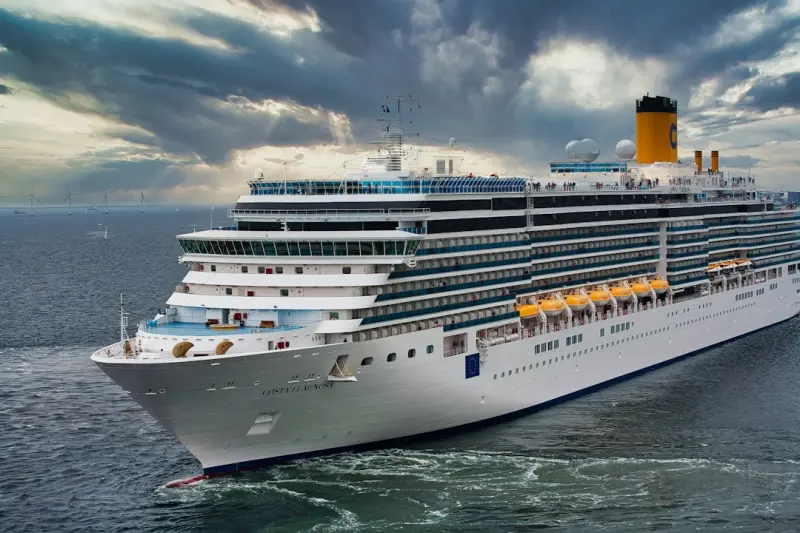
Why Storytelling Is the New Engine Driving Cruises and Bus Tours
When I first stepped onto a mega‑liner in the middle of the Atlantic, I expected the usual lineup: buffets, sun‑soaked decks, and a schedule of karaoke nights. What I didn’t anticipate was the feeling of walking through a living museum, where every hallway, lounge, and even the galley whispered a narrative that connected the sea’s history to the passengers’ own journeys. The same magic is happening on long‑haul bus tours across the continent, where the route itself becomes a chapter in a larger story. In this post, I’ll explore how intentional storytelling is reshaping the cruise and coach‑tour experience, why it matters to travelers and operators alike, and how you can spot—or even create—these narrative‑rich voyages.
The Evolution From Transportation to Narrative Transportation
For decades, the industry’s focus was on efficiency: faster turnarounds, larger passenger capacities, and lower ticket prices. While those metrics remain important, a new competitive frontier has emerged—one that measures success in feelings, memories, and the ability to make a journey feel purposeful. Travelers today are less interested in simply getting from point A to point B; they crave a story they can own.
Think of the difference between a generic “coast‑to‑coast bus tour” and a curated “Railroad Revival: Tracing the Path of the First Trans‑Canada Line.” The latter promises a narrative hook that frames each stop, each meal, and each conversation as part of a larger tale. The same applies at sea: a cruise titled “Maritime Legends of the Caribbean” does more than list ports of call; it weaves folklore, archaeology, and local music into the onboard program.
Key Ingredients of a Narrative‑Driven Voyage
- Place‑Based Themes: Anchor the itinerary around a cultural, historical, or natural motif. This could be “The Silk Road on Wheels” or “Pirates of the Pacific.”
- Local Storytellers: Invite historians, musicians, or artisans from each stop to share their expertise in intimate settings. Their authenticity turns a brief layover into a deep dive.
- Interactive Elements: Use workshops, treasure hunts, or augmented‑reality (AR) overlays that let passengers become part of the story rather than passive observers.
- Consistent Visual Language: From deck décor to bus livery, a cohesive aesthetic reinforces the narrative thread.
- Feedback Loops: Capture passenger reflections in real time—through digital journals or post‑journey surveys—and adapt the story on the fly.
Case Study: A Cruise That Turned Its Engine Room Into a Story Hub
One forward‑thinking liner recently transformed its traditionally utilitarian engine room into a “Steam & Steel” exhibit. Rather than sealing off the space, the crew installed glass walls, interactive panels, and guided audio tours that explained how the ship’s propulsion system mirrored the industrial revolutions of the 19th century. Passengers could watch engineers at work, ask questions via a live chat app, and even schedule a short “engineers for an hour” experience where they helped calibrate a turbine under supervision.
The result? A 22% increase in onboard activity participation and a surge in repeat bookings from guests who described the experience as “the most educational part of the cruise.” The ship’s marketing team credited the success to the narrative framing—turning a mechanical necessity into a compelling story about human ingenuity.
Case Study: A Bus Tour That Became a Traveling Classroom
Across the prairies, a boutique coach operator launched the “Great Migration Trail,” a 10‑day journey tracing the historic movement of indigenous wildlife and peoples. Each day’s route was accompanied by a resident naturalist who led live talks on the region’s ecology, while a historian on board narrated the cultural significance of the migration routes.
Passengers were given a “field journal” with prompts to sketch, write, or photograph their observations. At the end of the tour, the collected journals were compiled into a limited‑edition coffee‑table book, with contributors receiving a personalized copy. The tour’s occupancy rate jumped from 68% to 95% within the first season, and the operator reported higher average spend per passenger, driven largely by the premium price of the storytelling package.
How Operators Can Build Their Own Narrative Framework
If you’re a cruise line or coach company wondering how to embed storytelling without overhauling your entire operation, start small:
- Audit Existing Content: Review your current itineraries, onboard programs, and marketing copy. Identify any natural themes—like “coastal wildlife,” “railway heritage,” or “culinary routes”—that can be amplified.
- Partner with Local Experts: Reach out to museums, cultural centers, and community leaders at each destination. Offer them a platform on your vessel or bus for a short, engaging session.
- Leverage Technology Wisely: Simple QR codes that link to short videos or audio clips can add depth without requiring heavy hardware. For larger operators, consider an app that delivers location‑based stories as the ship approaches a landmark.
- Train the Frontline Staff: Your crew and drivers are the most frequent touchpoints with guests. Provide them with story briefs and encourage them to share anecdotes organically.
- Measure Narrative Impact: Incorporate a question into post‑trip surveys that asks guests to rate how “immersive” or “memorable” the storytelling felt. Use these insights to refine future routes.
Integrating Revenue Strategy Without Losing the Story
One common fear is that focusing on narrative may dilute revenue‑focused operations. In reality, the two can complement each other. For instance, a well‑crafted story can justify premium pricing tiers—think “VIP Narrative Experience” tickets that include exclusive behind‑the‑scenes tours or private sessions with experts. By aligning the narrative with a clear value proposition, operators can turn storytelling into a revenue engine rather than a cost center. For a deeper dive into how a unified approach can power growth, see the insights on unified engine for growth.
Health and Wellness: A Subtle Narrative Layer
While health trends dominate headlines, they can be woven subtly into the story of a journey. Imagine a cruise that frames its wellness program around “Seas of Serenity,” offering yoga sessions timed with sunrise over the horizon, accompanied by a narrative about ancient maritime meditation practices. Or a bus tour that incorporates “Trail‑side Breathwork” sessions, linking each breathing exercise to the altitude and flora of the region.
Such integrations satisfy passengers’ desire for wellbeing without feeling like a forced add‑on. They also open doors for partnerships with health‑focused brands, creating cross‑promotional opportunities. If you’re curious about broader health trends shaping experiences, the piece on digital health trends redefining wellness offers useful context.
The Role of Sustainable Practices—Beyond the Buzzword
Storytelling and sustainability are not mutually exclusive. In fact, narratives that celebrate local ecosystems or cultural heritage can naturally encourage greener behavior. A cruise that tells the story of a fragile coral reef can pair that narrative with a pledge to reduce single‑use plastics onboard. A bus tour that highlights historic rail lines can promote carbon‑offset programs tied to the route’s heritage.
When sustainability is presented as an integral chapter of the story rather than a checklist, guests are more likely to embrace and even champion the initiative. This alignment can also attract eco‑conscious travelers who are willing to pay a premium for experiences that reflect their values.
Future Trends: Immersive Tech Meets Narrative Travel
Looking ahead, several technologies are poised to amplify storytelling on cruises and bus tours:
- Mixed Reality Windows: Transparent screens that overlay historical images or marine life animations onto the real world outside the cabin.
- AI‑Curated Personal Stories: Algorithms that analyze a passenger’s interests (gleaned from pre‑trip questionnaires) and recommend on‑board sessions or shore excursions that match those preferences.
- Biometric Feedback: Sensors that gauge a guest’s emotional response during a story segment, allowing crew to adjust pacing or depth in real time.
These tools will enable operators to deliver hyper‑personalized narratives at scale, turning each journey into a unique, repeatable experience.
Putting It All Together: A Blueprint for Narrative‑First Voyages
To recap, here’s a quick checklist you can adapt to any cruise or bus tour operation:
- Identify a compelling central theme.
- Secure partnerships with local storytellers.
- Design interactive touchpoints (workshops, AR, QR codes).
- Train staff to weave the narrative into daily interactions.
- Introduce premium narrative tiers to capture additional revenue.
- Embed subtle health, wellness, and sustainability chapters.
- Leverage emerging tech to personalize and deepen the story.
- Collect and analyze guest feedback to refine future journeys.
When you view every itinerary as a living story, the line between transportation and transformation blurs. Passengers don’t just arrive at a destination—they become part of an evolving tale that they’ll recount long after they disembark.
Final Thoughts
In a world saturated with options, the voyages that stand out are those that make passengers feel like protagonists in a grand adventure. By placing storytelling at the heart of cruise and bus tour design, operators can differentiate their brand, command premium pricing, and foster deeper emotional connections with travelers. It’s not just about the places you visit; it’s about the stories you help create along the way.

Related Posts
Charting a New Course: How AI‑Powered Personalization Is Transforming Cruises and Bus Tours
AI-driven personalization is reshaping cruises and bus tours, turning static itineraries into dynami... Read More
Beyond the Itinerary: How Story‑Driven Cruises and Bus Tours Redefine Authentic Travel
Explore how story‑rich cruise and bus tours are transforming travel into authentic, sustainable ad... Read More
Hybrid Bus‑Cruise Journeys Redefine Regional Travel
Discover the rise of hybrid bus‑cruise itineraries that blend curated land tours with luxury sea t... Read More
Top Posts

Flavor Alchemy: How Tech is Redefining Food & Drink
Explore the cutting‑edge trends—from AI‑crafted cocktails and zero‑waste mixology to hyperlocal fermentation and drone‑delivered drinks—that are tra...Read More

Fermented Foods: Tiny Powerhouses Transforming Modern Nutrition
Explore the rise of fermented foods, their science-backed gut benefits, simple starter recipes, and smart pairing tips that turn everyday ingredients into nutri...Read More
Tool Libraries and Shared Workshops: Reinventing Canadian Neighborhoods
Tool libraries are emerging as a powerful way for Canadians to save money, lower their environmental impact, and foster neighborhood connections through shared ...Read More

Borrow, Don't Own: How Shared Tool Libraries Are Redefining the Cost of Living
Explore the financial and practical benefits of shared tool libraries, from reduced purchase costs and storage needs to community-driven savings and smarter bud...Read More
0 Comments
Post Comment
You will need to Login or Register to comment on this post!