
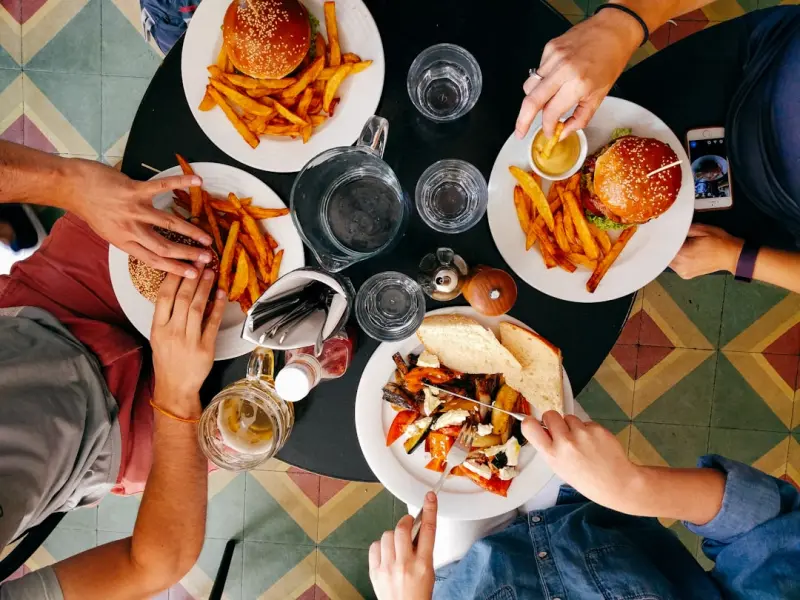
Why Ghost Kitchens Are Quietly Disrupting the Restaurant Landscape
When I first heard the term ghost kitchen whispered in a back‑room conversation at a tech meetup, I thought it was just another buzzword destined to fade. Fast forward a few months, and the concept has become a tangible force reshaping how we think about dining, delivery, and the very definition of a restaurant. As someone who’s spent years watching the intersection of hospitality and technology, I’m convinced that ghost kitchens are not a passing fad—they’re a strategic inflection point that every restaurant owner, chef, and investor must grapple with.
The Anatomy of a Ghost Kitchen
At its core, a ghost kitchen (sometimes called a “cloud kitchen” or “virtual kitchen”) is a commercial cooking space built solely for fulfilling online orders. There’s no dining room, no storefront, and often no brand identity that the public associates with a physical address. Instead, the kitchen operates behind the scenes, feeding multiple digital‑first concepts through delivery platforms, proprietary apps, or even third‑party aggregators.
- Shared Infrastructure: Multiple brands can coexist under one roof, sharing equipment, staff, and utilities. This economies‑of‑scale model dramatically reduces overhead.
- Location Flexibility: Because foot traffic isn’t a factor, ghost kitchens can be situated in industrial zones, near transportation hubs, or wherever real estate is affordable.
- Data‑Centric Operations: Every order generates actionable data—from peak order times to menu item performance—enabling rapid iteration and hyper‑personalized offerings.
These three pillars create a recipe for agility that traditional brick‑and‑mortar restaurants struggle to match.
What Drives the Surge?
Consumer habits have evolved dramatically in recent years. The rise of on‑demand delivery platforms, the desire for convenience, and the expectation of swift, reliable service have converged to create fertile ground for ghost kitchens.
But beyond consumer demand, there are deeper economic and operational forces at play:
- Rising Real Estate Costs: Prime street‑level locations are becoming prohibitively expensive, squeezing profit margins for new entrants and established players alike.
- Labor Shortages: By centralizing operations and focusing on a limited menu set, ghost kitchens can streamline staffing requirements and reduce turnover.
- Technology Integration: Advanced order management systems, AI‑driven demand forecasting, and automated kitchen workflows make it easier than ever to run a high‑volume, low‑overhead operation.
Operational Advantages You Can’t Ignore
From my experience, the most compelling reason to explore a ghost kitchen model is the operational flexibility it offers. Here are the top three advantages that matter most to restaurateurs:
1. Cost Efficiency Without Compromising Quality
Traditional restaurants shoulder a heavy load of fixed costs—rent, utilities, front‑of‑house staff, décor, and more. Ghost kitchens strip away the non‑essential layers, allowing owners to allocate resources directly to food quality and innovation. The hidden costs of convenience dining often get overlooked, but ghost kitchens make those costs transparent and manageable.
2. Rapid Market Testing
Launching a new concept in a brick‑and‑mortar setting can take months of lease negotiations, build‑out, and staffing. A ghost kitchen can go from idea to launch in weeks. By monitoring order data, chefs can tweak recipes, pricing, and marketing in real time. This iterative loop is akin to running a series of mini‑pop‑ups, each one informed by hard data rather than gut feel.
3. Multi‑Brand Scalability
One kitchen can support several distinct brands—think a Mexican taco line, an Asian noodle bowl, and a health‑focused salad concept—all operating from the same space. This diversification spreads risk and maximizes equipment utilization. If one brand sees a dip in demand, the others can pick up the slack, ensuring the kitchen stays busy and profitable.
Designing Menus for a Delivery‑First World
When you’re cooking for a delivery bag rather than a table, the menu must be engineered for travel. This means considering factors like:
- Ingredient Stability: Dishes that retain texture and temperature after 20–30 minutes in transit.
- Packaging Compatibility: Eco‑friendly containers that keep sauces separate and prevent sogginess.
- Visual Appeal: Even though the food is viewed through a phone screen, colorful plating techniques translate into higher click‑through rates and repeat orders.
In practice, this often leads chefs to focus on bowls, wraps, and modular components that can be assembled quickly and hold up well. While some fear this limits culinary creativity, the reality is that constraints often spark innovative solutions—think deconstructed dishes that arrive fresh and customizable.
Data‑Driven Menu Strategies: Turning Numbers Into Flavor
One of the most underutilized assets in the restaurant world is the data generated by every order. Ghost kitchens, by design, capture this data at scale. By leveraging insights—from popular spice levels to regional flavor preferences—restaurants can craft hyper‑localized menus that resonate with specific neighborhoods.
For those still skeptical about the power of data, look at the rise of data-driven menu strategies across the industry. Brands that integrate real‑time analytics see higher average ticket sizes, reduced waste, and more loyal customers.
Challenges and Pitfalls to Watch Out For
It would be naïve to suggest that ghost kitchens are a guaranteed win. They come with a unique set of challenges that require careful planning:
- Brand Dilution: Juggling multiple concepts can blur brand identity if not managed with clear visual and messaging guidelines.
- Delivery Dependence: Heavy reliance on third‑party platforms can erode margins and put control of the customer experience in the hands of an external player.
- Regulatory Hurdles: Health inspections, zoning laws, and labor regulations differ for commercial kitchens versus restaurants with dining rooms.
Addressing these issues involves building strong relationships with delivery partners, maintaining strict quality control protocols, and investing in a brand narrative that can thrive without a physical storefront.
Hybrid Models: The Best of Both Worlds?
Many restaurateurs are opting for a hybrid approach—maintaining a flagship location while also operating a ghost kitchen for delivery. This dual strategy offers several benefits:
- Cross‑Channel Visibility: The physical restaurant serves as a brand ambassador, while the ghost kitchen expands reach beyond the local radius.
- Supply Chain Synergy: Shared inventory and prep stations reduce waste and lower overall food costs.
- Risk Mitigation: If one channel suffers—say, a dip in foot traffic due to a local event—the other can offset the loss.
Successful hybrids often use the same kitchen for both in‑house dining and delivery, simply reconfiguring the workflow during peak hours. This requires precise staffing schedules and robust order management software, but the payoff can be substantial.
Environmental Impact: A Green Angle?
One argument against delivery‑centric models is the perceived increase in packaging waste and carbon emissions from transportation. However, ghost kitchens can actually be more sustainable when designed thoughtfully:
- Optimized Delivery Routes: Centralized kitchens enable delivery services to bundle multiple orders per trip, reducing mileage per meal.
- Reduced Food Waste: Data‑driven forecasting minimizes over‑production, leading to less discarded food.
- Eco‑Packaging Initiatives: Many ghost kitchens partner with suppliers offering compostable or recyclable containers, aligning with consumer demand for greener options.
When executed responsibly, the ghost kitchen model can lower the overall carbon footprint compared to a sprawling network of small, under‑utilized storefronts.
How Traditional Restaurants Can Adapt
If you’re a restaurateur with a beloved brick‑and‑mortar presence, you might wonder whether it’s too late to jump on the ghost kitchen bandwagon. The answer is no—adaptation is possible and, in many cases, essential. Here’s a roadmap to get started:
- Audit Your Current Operations: Identify menu items that travel well and could be offered exclusively for delivery.
- Secure a Strategic Location: Look for affordable industrial spaces near major delivery corridors.
- Invest in Technology: Choose an order management platform that integrates with your POS and delivery partners.
- Pilot a Test Brand: Launch a limited‑time virtual concept to gauge market response without risking your core brand.
- Iterate Based on Data: Use order analytics to refine recipes, pricing, and promotional tactics.
Remember, the goal isn’t to replace your dining room but to augment it with an additional revenue stream that can weather fluctuations in foot traffic.
The Future Outlook: From Ghosts to the Mainstream
Looking ahead, ghost kitchens are poised to become a foundational element of the restaurant ecosystem. As delivery platforms evolve, we’ll likely see more integrated ecosystems where ordering, payment, and loyalty programs are seamlessly tied to virtual brand identities.
Moreover, advances in automation—think robotic prep stations and AI‑driven inventory management—could further lower labor costs and increase consistency, making ghost kitchens even more attractive to investors.
In short, the era of the isolated, single‑brand restaurant is giving way to a networked, data‑rich model where culinary creativity meets operational efficiency. Whether you embrace it fully, adopt a hybrid approach, or simply learn from its innovations, staying informed is the first step toward thriving in this new dining reality.

Related Posts

When Algorithms Meet the Kitchen: The Rise of AI-Powered Restaurants
AI is reshaping restaurants from menu personalization to supply chain transparency. This post dives ... Read More
AI‑Driven Menu Personalization: How Restaurants Are Serving Up Tailored Experiences
AI menu personalization is reshaping the restaurant industry, offering data‑driven dish recommenda... Read More
From Scraps to Signature Dishes: Restaurants Harness Circular Economy
Discover how forward‑thinking restaurants are turning kitchen scraps into innovative dishes, savin... Read More
Top Posts

Riding the Tariff Wave: A SaaS Playbook for Uncertain Trade Winds
Tariffs affect more than hardware costs—they ripple through SaaS operations, talent acquisition, and pricing. This guide shows how to map exposure, diversify ...Read More

Interactive Memories for Prom & Graduation
Discover how to blend AR, QR code guestbooks, and digital yearbooks to create an interactive, tech‑enhanced prom and graduation experience that preserves memo...Read More
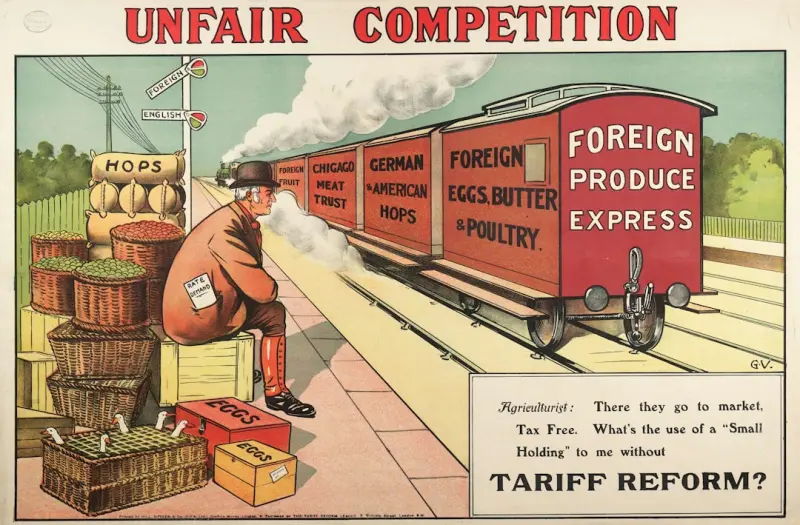
When Tariffs Turn Into Everyday Price Tags: A Personal Look at Hidden Costs
A personal dive into the ripple effects of tariffs on everyday purchases, from local artisans to digital subscriptions, with practical tips for consumers and en...Read More
Fermented Foods: The Modern Path to a Resilient Gut and Vibrant Health
Fermented foods like kimchi, kefir, and sauerkraut are powerful allies for a thriving microbiome. This guide explains their benefits, debunks myths, and offers ...Read More
0 Comments
Post Comment
You will need to Login or Register to comment on this post!