

Seeing Health in Full Color: The Unexpected Power of a Vibrant Plate
When I first walked into a conference hall full of SaaS founders, I noticed something odd: a sea of black‑coffee‑stained laptops, pastel‑colored PowerPoints, and, oddly enough, a monochrome lunch spread. The kale‑free, quinoa‑free, pepper‑free plates were a silent reminder that we often treat food as an afterthought—something that fuels us, but never really talks to us. I’ve spent the last few years chasing data, building platforms, and learning that the most powerful insights come when you look at the same problem from a different lens. Today, let’s apply that lens to something we eat every day.
Why Color Isn’t Just Aesthetic—It’s Biological
Plants have spent millions of years evolving pigments for a purpose: survival. Those vivid reds, deep blues, and sunny yellows aren’t random; they’re signals to the animals that eat them. Red anthocyanins, for instance, often indicate high levels of antioxidants, while orange carotenoids point to beta‑carotene, a precursor to vitamin A. When you build a plate that looks like a painter’s palette, you’re essentially assembling a cocktail of phytonutrients that work together to support immunity, cognition, and mood.
Here’s a quick cheat‑sheet for the most common colors and what they bring to the table:
- Red & Pink – Lycopene (tomatoes, watermelon) supports heart health.
- Orange & Yellow – Beta‑carotene (carrots, butternut squash) boosts eye health.
- Green – Chlorophyll and lutein (spinach, broccoli) aid detoxification and brain function.
- Blue & Purple – Anthocyanins (blueberries, eggplant) provide anti‑inflammatory benefits.
- White & Brown – Allicin (garlic) and fiber (whole grains) support gut health.
When you combine at least three of these families in a single meal, you’re not just eating food—you’re creating a symphony of nutrients that amplify each other’s effects, a phenomenon known as synergy. Think of it as the software version of a micro‑service architecture: each component does its job, but the real magic happens when they communicate.
From Data to Dinner: Translating Metrics Into Meals
My background in data‑driven strategy means I love turning numbers into actionable insight. What if you could treat your plate like a dashboard? Instead of tracking clicks and conversion rates, you track color density. A simple rule of thumb: aim for a minimum of four distinct colors per meal. If you’re a busy professional, you can even set a reminder on your phone or use a habit‑tracking app to log the colors you’ve eaten each day.
In a recent article about human‑first data, the author emphasizes that meaningful metrics start with the human story behind the numbers. The same principle applies to nutrition. By visualizing your meals, you create a narrative that’s easier to remember and act on than a list of abstract micronutrients.
Practical Tips for Building a Color‑Rich Plate
Below are some concrete ways to inject color into your daily routine without turning your kitchen into a lab.
- Start with a base of greens. Toss a handful of arugula or kale into a bowl before adding other ingredients. It’s a low‑effort way to guarantee you get those chlorophyll benefits.
- Swap white rice for quinoa or farro. The golden hue of farro or the speckled look of quinoa instantly adds visual interest and a fiber boost.
- Incorporate a “color of the day.” Choose one fruit or veg that you’ve never tried before and make it the star of your lunch or dinner. This keeps meals exciting and expands your nutrient spectrum.
- Use spices as pigments. Turmeric (yellow), paprika (deep red), and sumac (rustic orange) can transform bland dishes into colorful, flavor‑packed experiences.
- Blend colors in smoothies. A quick spin of spinach, frozen berries, and mango not only tastes great but also hits at least three color groups in a single glass.
Case Study: A Tech Startup’s “Rainbow Lunch” Initiative
Last quarter, a mid‑size tech startup in Toronto introduced a “Rainbow Lunch” program to combat employee burnout and promote well‑being. The idea was simple: each day, the cafeteria offered a menu that featured at least five distinct colors, and the team tracked participation through a fun badge system. Within two months, they saw a measurable uptick in reported energy levels and a 12% reduction in sick days.
The success mirrors what we often see in digital memory vault projects—when you create a compelling narrative (in this case, a colorful plate) and attach a tangible reward (badges), adoption spikes. The underlying lesson: health habits, like software adoption, thrive on clear goals, immediate feedback, and a sense of community.
Balancing Convenience With Quality
Let’s be honest: the modern professional rarely has the time to spend an hour prepping a gourmet meal. The good news is that you don’t need to. Here are three “grab‑and‑go” strategies that keep your plate colorful even when you’re on the move:
- Pre‑portion veggie sticks. Carrot, cucumber, and beet sticks stored in a reusable container are a quick snack that adds orange, green, and purple.
- Choose multi‑color salads. Look for pre‑made salads that include a mix of greens, berries, nuts, and seeds. Add a citrus vinaigrette for a burst of yellow.
- Embrace the power of frozen. Frozen mixed berries, edamame, and spinach can be microwaved in seconds, preserving both color and nutrients.
The Science of “Eat the Rainbow” Meets Modern Lifestyle
Nutrition science has long advocated for “eating the rainbow,” but the phrase often feels like a vague slogan rather than a concrete plan. By treating your meals as data points, you can bring precision to this concept. For example, a simple spreadsheet can track the number of red servings per week, and you can set a target (e.g., three servings). When you see the numbers, you’re more likely to adjust your grocery list accordingly.
Moreover, this approach dovetails nicely with emerging workplace wellness platforms that gamify health behaviors. Imagine a dashboard where you earn points for each new color you add to your plate—a modern twist on the classic “food pyramid.” The synergy between visual appeal and measurable outcomes creates a feedback loop that reinforces healthy choices.
Addressing Common Misconceptions
Myth 1: “Colorful foods are always expensive.” Not true. Seasonal produce is often cheaper and more vibrant. A farmer’s market visit on a Saturday can yield a colorful bounty at a fraction of grocery store prices.
Myth 2: “If I’m vegan, I’m already getting enough colors.” While plant‑based diets tend to be colorful, it’s still possible to fall into a rut (think only tofu and rice). Consciously rotating colors ensures you don’t miss out on specific phytonutrients.
Myty 3: “I need to eat a rainbow in every single meal.” The goal is balance over the day, not perfection on each plate. A breakfast of oatmeal with blueberries and a lunch of mixed greens with grilled chicken already meet the objective.
Future Trends: Tech‑Enabled Color Nutrition
Just as digital tools are reshaping fishing, the food industry is gearing up for AI‑driven meal planning that prioritizes color diversity. Imagine an app that scans your fridge, suggests recipes based on the colors you have, and even orders missing ingredients automatically. This convergence of data, convenience, and visual nutrition is likely to become a standard feature in corporate wellness suites within the next few years.
Takeaway: Make Your Plate a Canvas, Not a Canvas of Monotony
In the same way we iterate on product designs—testing, learning, and refining—our meals deserve the same level of intentionality. By embracing a colorful plate, you’re not just feeding your body; you’re feeding your curiosity, creativity, and resilience. The next time you sit down for lunch, ask yourself: “What story does this plate tell?” If the answer is “boring,” grab a red pepper, a handful of blueberries, or a sprinkle of turmeric, and rewrite the narrative.
Remember, health isn’t a destination; it’s a series of small, vibrant choices that add up. So go ahead—make your meals as dynamic as your ideas, and watch how that palette of flavors translates into sharper focus, steadier energy, and a brighter outlook on both work and life.

Related Posts
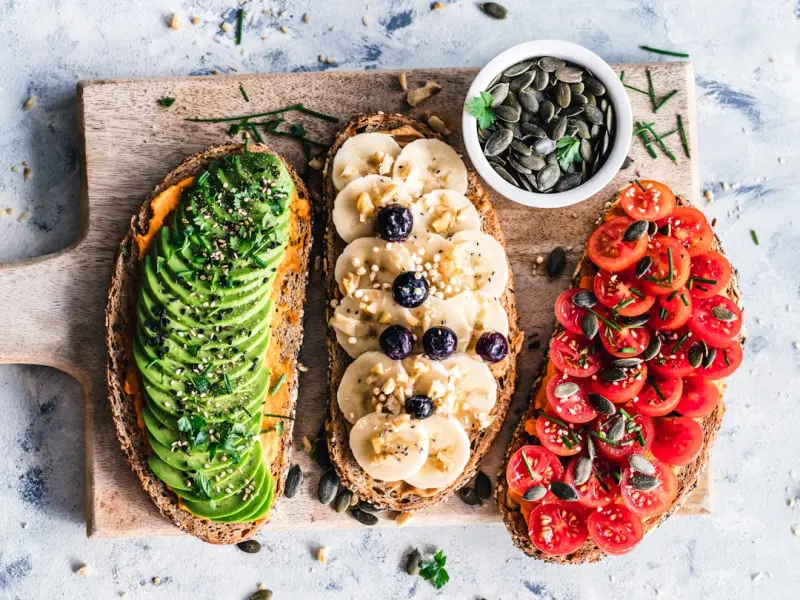
Seasonal Superfood Swaps for Everyday Nutrition
Learn practical, seasonal superfood swaps that transform ordinary meals into nutrient‑rich power f... Read More
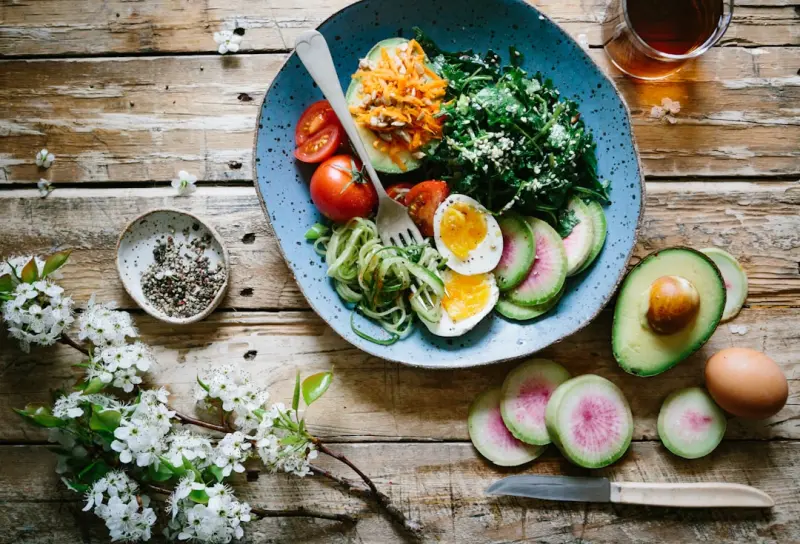
Colorful Plate, Healthier Life: A Food Lover’s Guide
From rainbow‑rich plates to gut‑friendly fermentations, I share the habits that turned my meals ... Read More

Seasonal Foraging: Unlocking Wild Nutrition for Modern Diets
Explore the health benefits, safety tips, and practical recipes for bringing seasonal foraged foods ... Read More
Top Posts
Charting a New Course: Data‑Driven, Sustainable Freshwater Fishing in Ontario
A fresh look at Ontario fishing that blends tradition with data, sustainable gear, and renewable energy, offering practical tips for anglers to protect the prov...Read More
Colorful Bowl Culture: Reinventing Office Snacks for Energy and Focus
A fresh take on office nutrition, this article shows how colorful, whole‑food bowls can replace sugary snacks, improve focus, and foster a mindful, sustainabl...Read More

The Secret Playbook for Smarter Savings in a Hyper‑Connected World
A practical guide to modern savings: AI price trackers, deal‑sharing communities, and stacking tactics that turn routine spending into significant financial w...Read More

Unlock Hidden Savings: A Tactical Guide to Cutting Subscription Costs and Stacking Deals
Learn how to audit hidden subscriptions, stack coupons, use cash‑back tools, and harness community group buys to turn everyday spending into a powerful saving...Read More
0 Comments
Post Comment
You will need to Login or Register to comment on this post!