
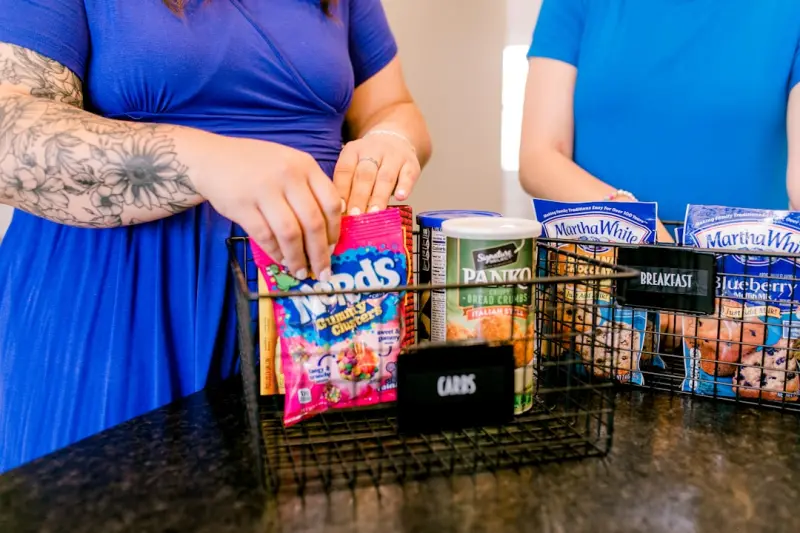
When I first stepped into my kitchen after a marathon Zoom session, I realized my snack choices were more about convenience than nourishment. The bag of salted pretzels and a sugary protein bar were doing a disservice to the brain that had just powered through three hours of strategic planning. That moment sparked a personal experiment: can everyday meals be both delicious and a genuine fuel for mental clarity?
Rethinking the “Snack” Concept
Most of us think of snacks as a quick fix—something to tide us over until the next proper meal. But what if we treated snacks as mini‑meals, each with a purpose? Instead of reaching for the familiar, I began to ask: what nutrients does my brain crave right now? The answer often boiled down to three core categories:
- Omega‑rich fats to support neuronal membranes.
- Polyphenol‑laden antioxidants that fend off oxidative stress.
- Low‑glycemic carbs that provide steady glucose without the crash.
Armed with this framework, I started swapping out the usual suspects for foods that hit these targets. The transformation was subtle at first—a clearer focus, fewer mid‑afternoon crashes, and a surprising boost in creative thinking.
The Science Behind Flavor Fusion
Flavor isn’t just about taste; it’s a signal to our brain that triggers hormonal pathways. Certain flavor pairings can amplify the bioavailability of nutrients. For example, pairing turmeric’s curcumin with black pepper’s piperine increases absorption by up to 2,000 %. Similarly, a splash of citrus juice on leafy greens helps release iron, making it easier for the body to absorb.
These culinary tricks are rooted in the concept of food synergy. When two ingredients complement each other, they create a biochemical environment where the whole is greater than the sum of its parts. In practice, this means we can design snack combos that not only taste great but also unlock hidden health benefits.
Building a Brain‑Boosting Snack Arsenal
Below is a curated list of snack pairings that I’ve tested in my own kitchen. Each combo targets the three nutrient pillars mentioned earlier, while also delivering a flavor punch that makes you look forward to the break.
- Walnut‑Apple Cinnamon Bites: Walnuts deliver omega‑3s, while apple slices provide soluble fiber and a gentle sweetness. A dusting of cinnamon adds polyphenols that help regulate blood sugar.
- Seaweed‑Avocado Rolls: Nori sheets are a source of iodine and trace minerals; mashed avocado supplies monounsaturated fats. A squeeze of lime brightens the palate and adds vitamin C for iron absorption.
- Dark Chocolate‑Almond Energy Balls: Dark chocolate (70 %+ cacao) offers flavonoids; almonds bring healthy fats and magnesium. Blend with a hint of vanilla and a pinch of sea salt for balance.
- Greek Yogurt‑Berry Parfait with Chia: The probiotic culture in yogurt supports gut‑brain communication. Berries are rich in anthocyanins, and chia seeds provide omega‑3 ALA and sustained energy.
- Spiced Pumpkin‑Hummus on Rice Cakes: Pumpkin is high in beta‑carotene; hummus offers plant‑based protein and fiber. Sprinkle with smoked paprika for an extra antioxidant boost.
These pairings are flexible—swap out ingredients based on seasonal availability or personal preference. The goal is to keep the macro‑nutrient balance while playing with flavor textures.
Integrating Fermentation for Gut‑Brain Harmony
One often‑overlooked pillar of mental clarity is gut health. The microbiome produces neurotransmitters like serotonin and GABA, which directly influence mood and cognition. Incorporating fermented foods into snack routines can therefore elevate brain performance.
If you’re pressed for time, consider simple gut‑friendly foods for busy professionals like kimchi, sauerkraut, or a quick kefir shake. A tablespoon of kimchi mixed into a quinoa salad provides probiotics, plus the crunch and spice that keep you satisfied.
Data‑Driven Meal Planning: A Modern Twist
While we’re not talking about AI in this post, the principle of using data to inform choices still applies. By tracking how different snacks affect your focus, you can fine‑tune your pantry. I started a simple spreadsheet, logging:
- Time of snack consumption.
- Ingredients and portion size.
- Subjective focus rating (1‑10) 30 minutes later.
After a week, patterns emerged. For instance, the walnut‑apple combo consistently scored an 8–9, while sugary bars hovered around a 4. This empirical approach mirrors the data‑first menu strategies that modern eateries use to optimize customer satisfaction. The same logic can guide your personal snack strategy.
Seasonality as a Secret Weapon
Eating in sync with the seasons does more than reduce carbon footprints; it aligns your body with natural nutrient cycles. In spring, the abundance of leafy greens and sprouts offers folate and vitamin K, crucial for neural health. Summer brings berries rich in vitamin C and anthocans, while autumn’s squash and nuts deliver beta‑carotene and healthy fats. Winter’s cruciferous vegetables provide glucosinolates, known for their neuroprotective properties.
When you plan snacks around what’s at its peak, you’re not only getting the freshest flavor but also the highest concentration of beneficial compounds.
Mindful Preparation: The Ritual That Completes the Experience
Preparing your snack can be an act of mindfulness, reinforcing the intention behind it. Instead of grabbing a bag from the pantry, take a minute to slice, arrange, and breathe in the aromas. This pause signals to your brain that you’re about to nourish yourself, reducing the likelihood of mindless eating.
Try this simple ritual:
- Gather all components on a clean surface.
- Wash hands and any produce.
- Chop, mash, or assemble with deliberate, slow movements.
- Observe colors, textures, and smells before tasting.
The act of paying attention transforms a routine snack into a mini‑meditation, amplifying its mental benefits.
Scaling Up: From Desk Snacks to Family Meals
What works for a solo professional can easily translate to family dining. The same flavor‑pairing principles can guide a wholesome dinner. For instance, a roasted salmon fillet (omega‑3) paired with a quinoa‑pomegranate salad (antioxidants) offers a balanced plate that satisfies both adult and child palates.
Involving kids in the preparation—letting them sprinkle cinnamon on apple slices or mash avocado—creates educational moments about nutrition, fostering lifelong healthy habits.
Wrapping Up: A Personal Commitment to Culinary Curiosity
My journey from pretzel‑driven afternoons to purpose‑crafted snack rituals has reminded me that food is a powerful lever for mental performance. By honoring flavor synergy, gut health, data‑informed tweaks, and seasonal bounty, we can turn any kitchen into a brain‑boosting laboratory.
Challenge yourself this week: replace one sugary snack with a brain‑boosting combo from the list above, log the effect, and notice the difference. The payoff isn’t just a steadier focus; it’s a deeper appreciation for how thoughtful food choices can shape the quality of our work, creativity, and overall wellbeing.

Related Posts
Harvesting Health: How Home-Grown Microgreens Supercharge Your Diet
Microgreens deliver concentrated nutrition in a tiny space, making them perfect for busy lifestyles.... Read More

Urban Foraging: Turning City Streets into Superfood Supply
Learn the basics of urban foraging, from identifying safe edible weeds to transforming them into gou... Read More
Unlocking the Power of Seasonal Superfoods for Everyday Vitality
Explore fresh, seasonal superfood swaps, pantry essentials, and mindful eating habits that turn ordi... Read More
Top Posts

Parental Warning: The Silent Data Harvest in Kids’ Gaming Worlds
A deep dive into how children’s games harvest personal data, the hidden dangers of behavioral nudging, and actionable tips for parents to safeguard privacy in...Read More

Dynamic SaaS Pricing Playbook for Value‑Driven Discounts
Learn a data‑driven pricing playbook that replaces blanket discounts with predictive nudges, modular bundles, and usage‑based credits—delivering real cost...Read More

Travel Subscriptions: How Membership Models Are Redefining the Way We Explore
Travel subscriptions are turning vacations into curated, sustainable experiences. Learn how membership models blend AI, community, and eco‑impact to reshape m...Read More

Housing Crunch Meets Federal Strategy: A New Canadian Alliance
Canada’s housing affordability crisis is prompting an unprecedented federal‑provincial alliance, uniting funding, zoning reform, and data transparency to ta...Read More
0 Comments
Post Comment
You will need to Login or Register to comment on this post!