
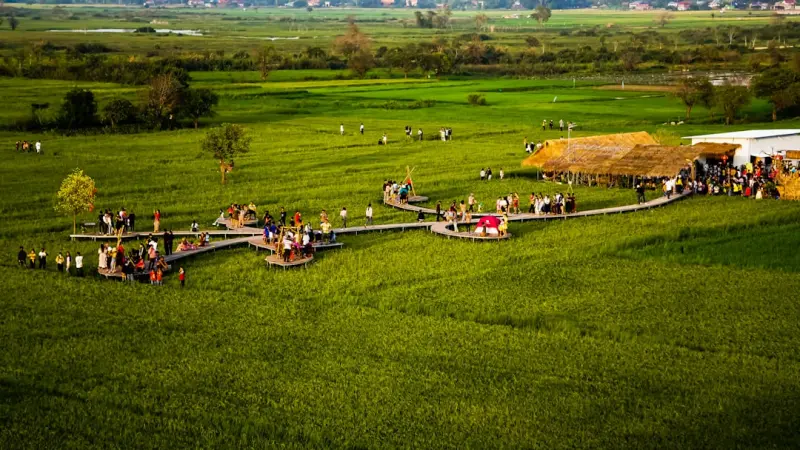
From Field to Guest: The Agri‑Tourism Boom Transforming Canadian Farms
When I first stepped onto my family’s wheat fields as a teenager, the horizon was a sea of gold and the only “customers” were the grain elevators waiting at the end of the road. Fast‑forward to today, and the same fields are buzzing with families, food‑ies, and adventure‑seekers who want to taste, learn, and experience farm life firsthand. This shift isn’t just a cute side‑hustle – it’s a full‑scale economic engine reshaping the way Canadian farmers think about revenue, community, and sustainability.
Why Agri‑Tourism Is More Than a Trend
In the past few years, the Canadian government’s support for rural broadband, combined with rising consumer appetite for authentic experiences, has created fertile ground for agri‑tourism. According to national broadband strategy initiatives, high‑speed internet now reaches even the most remote farmsteads, making online bookings, live‑streamed farm tours, and digital marketing campaigns a reality. No longer are farms isolated outposts; they’re connected marketplaces.
But connectivity is only one piece of the puzzle. The real driver is a cultural shift: city dwellers are craving “real food” stories, while farmers are seeking diversified income streams to buffer against volatile commodity prices and climate uncertainty. Agri‑tourism bridges that gap, turning the farm into a destination where education, recreation, and commerce intersect.
Revenue Diversification: From One Crop to Many Experiences
Traditional farming income is often tied to a single commodity – wheat, canola, dairy, or livestock. When market prices dip, entire operations can feel the squeeze. Agri‑tourism offers a multi‑layered revenue model:
- Admission fees: Guided tours, hayrides, and pick‑your‑own produce events generate direct ticket sales.
- On‑site retail: Farm stands, artisanal cheese shops, and pop‑up cafés convert raw products into higher‑margin goods.
- Workshops & classes: From bread‑making to sustainable gardening, educational sessions command premium pricing and foster repeat visits.
- Event hosting: Weddings, corporate retreats, and seasonal festivals fill otherwise idle acreage during off‑peak planting periods.
- Digital experiences: Live‑streamed milking sessions or virtual harvest tours sell subscriptions to a global audience.
By layering these streams, a mid‑size Ontario farm can see a 20‑30% uplift in total revenue within the first two years of launching an agri‑tourism program.
Building a Guest‑Centric Farm Brand
Success in agri‑tourism hinges on storytelling. Visitors don’t just want to see a field; they want to connect with the people behind the produce. That means crafting a brand narrative that resonates across social media, email newsletters, and on‑site signage.
Start with a “why” – why does your farm exist beyond profit? Maybe it’s a generational commitment to preserving heirloom varieties, or a partnership with local Indigenous communities to showcase traditional agricultural practices. Share that story through:
- Video diaries: Short clips of daily farm life uploaded to TikTok or Instagram Reels.
- Blog posts: Written pieces about soil health, seasonal cycles, and farm lore.
- Interactive maps: QR‑coded trail guides that let guests explore at their own pace.
When guests feel emotionally invested, they’re more likely to become brand ambassadors – posting photos, writing reviews, and bringing friends along.
Technology as a Farm’s Front‑Desk
Running an agri‑tourism operation isn’t just about planting rows; it’s also about managing bookings, inventory, and guest feedback. That’s where SaaS solutions come into play. However, many farmers feel overwhelmed by the sheer number of tools on the market.
A practical approach is to start with a SaaS savings playbook that identifies essential functionalities – online reservation systems, point‑of‑sale integration, and customer relationship management – while trimming unnecessary subscriptions. By consolidating platforms, farms can reduce tech overhead by up to 15% and free up cash for on‑the‑ground improvements.
Beyond cost, the right SaaS stack enables data‑driven decisions: tracking peak visitation days, analyzing merchandise sales, and measuring guest satisfaction scores. Those insights guide everything from staffing schedules to the timing of seasonal events.
Seasonality: Turning “Off‑Season” Into “On‑Season”
One of the biggest misconceptions about agri‑tourism is that it only works during planting or harvest. In reality, clever programming can keep the farm lively year‑round:
- Winter wonderlands: Snowshoe tours, ice‑fishing on farm ponds, and hot‑cocoa pop‑ups.
- Spring seedlings workshops: Teach families how to start a kitchen garden using farm‑grown seedlings.
- Summer festivals: Farm‑to‑table BBQs, music concerts on the barn roof, and kids’ petting zoos.
- Fall harvest celebrations: Apple picking, corn mazes, and pumpkin carving contests.
By aligning activities with the natural calendar, farms can smooth cash flow throughout the year, reducing reliance on a single harvest window.
Community Impact: Beyond the Bottom Line
Agri‑tourism isn’t just a money‑maker; it’s a catalyst for rural revitalization. When visitors flock to a farm, they also patronize nearby restaurants, B&Bs, and craft shops. This ripple effect creates jobs, supports local supply chains, and strengthens community identity.
Moreover, many farms are partnering with schools for curriculum‑aligned field trips, offering students hands‑on lessons in biology, ecology, and food systems. These collaborations not only generate additional revenue but also sow the seeds of future agricultural stewardship.
Risk Management: Navigating Liability and Safety
Opening farm gates to the public introduces new liability considerations. Here are three practical steps to protect both guests and the operation:
- Insurance coverage: Secure a policy that explicitly includes visitor activities, equipment rentals, and food service.
- Safety protocols: Conduct risk assessments for each attraction (e.g., hayride weight limits, animal handling guidelines) and post clear signage.
- Staff training: Ensure all employees understand emergency procedures, first‑aid basics, and guest communication standards.
Proactive risk management not only safeguards the farm but also builds trust with visitors, encouraging repeat business.
Case Study: A Prairie Farm’s Journey From Crop‑Only to Tourist Destination
Take the story of Sunridge Farms in Saskatchewan. Originally a 500‑acre grain producer, the family faced dwindling margins after three consecutive low‑yield seasons. In year one of their agri‑tourism launch, they:
- Converted a 20‑acre plot into a “pick‑your‑own” berry patch, attracting 1,200 visitors during the summer.
- Installed a small barn café serving farm‑fresh soups, generating an additional $45,000 in annual sales.
- Partnered with a local Indigenous cultural centre to offer guided storytelling evenings, increasing off‑season foot traffic by 30%.
Within three years, Sunridge’s total revenue grew by 38%, and the farm’s brand recognition expanded beyond provincial borders, leading to a regional food‑tour package that now draws tourists from across Canada.
Getting Started: A Step‑by‑Step Blueprint
If you’re a farmer eyeing agri‑tourism, follow this practical roadmap:
- Assess your assets: Identify unique features – historic barns, rare crops, scenic trails – that can become attractions.
- Conduct market research: Survey nearby urban populations to gauge interest, preferred activities, and price sensitivity.
- Develop a pilot program: Start small with a weekend “farm open house” to test logistics and gather feedback.
- Invest in infrastructure: Ensure safe parking, clean restrooms, and accessible pathways.
- Choose the right tech stack: Adopt a streamlined SaaS solution for bookings, POS, and guest analytics – refer to the SaaS savings playbook for cost‑effective options.
- Market aggressively: Leverage social media, local tourism boards, and the national broadband strategy to reach wider audiences.
- Measure and iterate: Track visitor numbers, revenue per guest, and satisfaction scores. Adjust offerings based on data.
Remember, the goal isn’t to become a theme park; it’s to share the authenticity of farm life while creating sustainable economic pathways.
Future Outlook: The Next Wave of Rural Innovation
Looking ahead, three emerging trends will likely shape Canadian agri‑tourism:
- Virtual farm experiences: Augmented reality tours that let distant customers explore fields from their living rooms, opening new revenue streams.
- Carbon‑offset tourism: Guests paying a modest fee to fund on‑farm regenerative practices, turning leisure into environmental stewardship.
- Co‑operative marketing hubs: Small farms banding together to create regional “farm corridors,” offering multi‑stop itineraries that boost collective visibility.
By staying adaptable and leveraging technology wisely, Canadian farmers can turn their land into thriving community hubs that honor tradition while embracing the future.

Related Posts
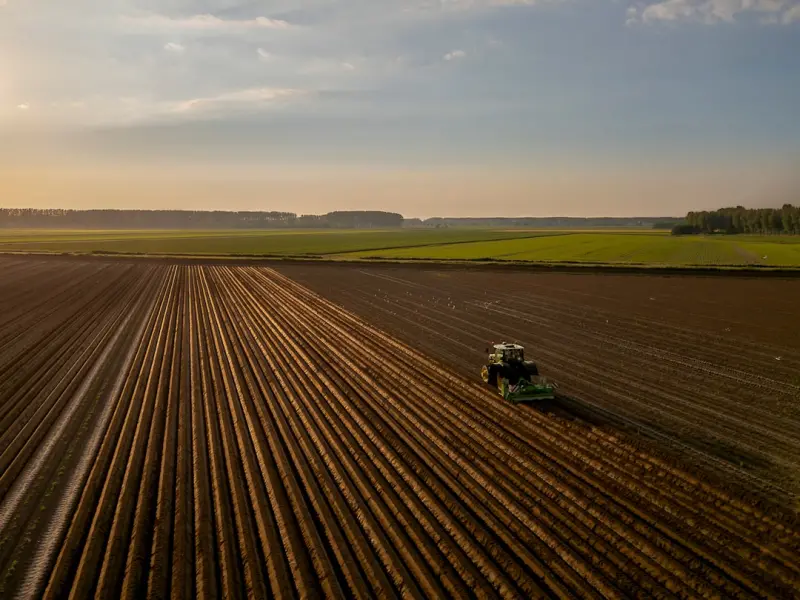
From Soil to Silicon: How Canadian Farmers Are Crafting the Future of Food
Canadian farmers are merging age‑old stewardship with cutting‑edge technology—AI, blockchain, ... Read More
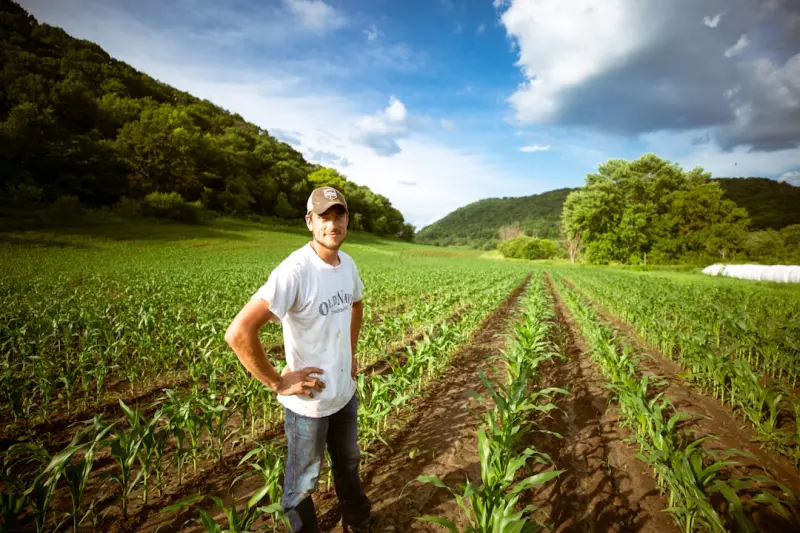
How Canadian Farmers Are Turning Data Into a New Harvest
Canadian farmers are blending satellite imagery, AI tools, and cooperative networks to make smarter,... Read More
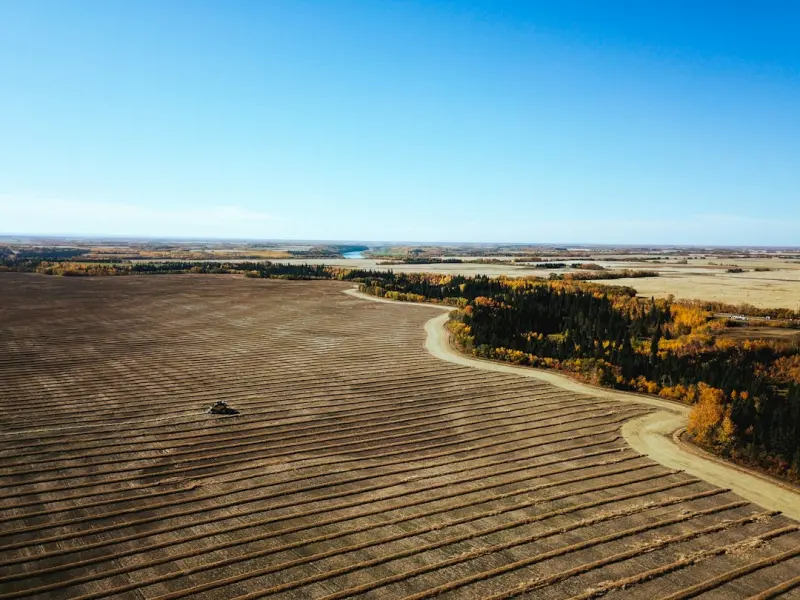
How Canadian Farmers Are Turning Data Into Soil Superpowers
Canadian farmers are embracing data-driven regenerative agriculture, using sensors, drones, and digi... Read More
Top Posts

Chasing Daylight: How Seasonal Sunlight Can Reset Your Body Clock
Discover why sunlight is a powerful health tool, how seasonal light affects our circadian rhythm, and practical ways to integrate more natural light into daily ...Read More

Tariff Ripple Effects: How Global Duties Are Redefining Digital Pricing and Brand Strategy
Tariffs are no longer just about shipping containers; they now infiltrate digital services, e‑commerce, and influencer marketing, forcing brands to adapt pric...Read More

The Pop‑Up Kitchen Revolution: How Hyper‑Local Dining Is Redefining Restaurants
Discover the rise of hyper‑local pop‑up kitchens, where community spaces, sustainability, and sensory storytelling transform dining into a dynamic, neighbor...Read More

Step Back in Time: Your Invitation to the Roaring ‘20s Garden Party at Spadina Museum
Are you ready to trade the mundane for the magnificent? To swap your screen for a scene straight out of F. Scott Fitzgerald? Prepare to be whisked away to an er...Read More
0 Comments
Post Comment
You will need to Login or Register to comment on this post!