
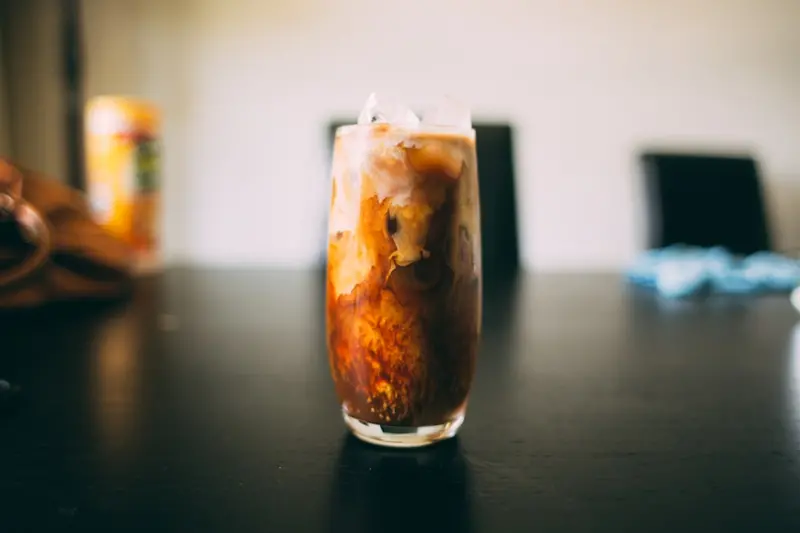
Why Cold Brew Deserves a Place in Your Kitchen
Cold brew coffee has quietly vaulted from niche café menu item to a staple of modern kitchens, and the reason isn’t just its smooth, low‑acid profile but the ritualistic joy it brings to the home barista who finally feels in control of a truly artisanal process; unlike traditional hot brewing, the slow extraction over 12‑24 hours coaxed from coarsely ground beans unlocks flavor compounds that remain hidden behind the bitterness of a rapid drip, delivering a cup that feels both luxurious and refreshingly simple. What makes it a trend worth chasing is the way it aligns with the broader movement toward low‑effort, high‑reward food and drink experiments—think overnight oats, no‑knead bread, or fermented salsas—yet it also invites a scientific curiosity that keeps even seasoned coffee lovers engaged, prompting them to tweak variables like grind size, water temperature, and steep time while still enjoying a ready‑to‑drink beverage whenever the heat of summer (or the fatigue of a long workday) calls for a gentle caffeine lift.
The Science of Extraction: From Bean to Bottle
At the heart of a perfect cold brew lies a delicate balance of solubility and diffusion, where water’s low temperature slows the dissolution of acidic compounds while allowing sugars and aromatic oils to migrate steadily into the brew, a phenomenon explained by the principles of thermodynamics and described in simple terms as “cold water takes its sweet time, but it gets the good stuff first”; this is why a coarse grind—roughly the consistency of sea salt—prevents over‑extraction, ensuring that the final liquid remains bright without the harshness that can plague hot‑brewed counterparts. By understanding this chemistry, home brewers can experiment with ratios, typically ranging from 1:4 to 1:8 coffee‑to‑water, and discover the sweet spot that suits their palate, whether they prefer a concentrated “coffee concentrate” for milk‑based drinks or a milder, ready‑to‑drink strength that can be poured over ice without dilution.
Step‑by‑Step Cold Brew Blueprint
Creating a stellar cold brew at home is less about fancy equipment and more about disciplined consistency; start by measuring out 100 g of your favorite single‑origin beans, then grind them to a coarse texture, place the grounds into a large, clean jar, and pour 800 ml of filtered, room‑temperature water over them, stirring gently to ensure all particles are wetted, then seal the vessel and let it rest undisturbed in the refrigerator or a cool pantry for 16‑20 hours, a window that balances extraction depth with smoothness. After the steep, strain the mixture through a fine‑mesh sieve lined with a cheesecloth or a dedicated coffee filter to remove sediment, then transfer the clear concentrate into a clean bottle, where it can be stored for up to two weeks, ready to be diluted with water, milk, or even a splash of tonic for an adventurous twist.
Flavor Tweaks Without the Gimmicks
Once the base is mastered, the real fun begins: subtle flavor enhancements can be introduced without compromising the integrity of the brew, such as adding a pinch of sea‑salt during the steep to accentuate sweetness, or tossing in a cinnamon stick or a few vanilla beans for a warm, aromatic undertone; these natural infusions work best when placed directly into the jar at the start of the extraction, allowing the gentle cold environment to coax nuanced notes from the spices without overpowering the coffee’s character. For those who love a hint of tartness, a splash of citrus zest or a few slices of fresh ginger can be added during the last hour of steeping, creating a bright, refreshing profile that pairs beautifully with the low‑acid nature of the cold brew.
Tools of the Trade: Minimalist Yet Effective
While the process requires only a jar and a filter, investing in a few thoughtful tools can elevate consistency and reduce mess; a digital scale ensures precise coffee‑to‑water ratios, a burr grinder provides uniform particle size, and a French press can double as a built‑in filter, eliminating the need for extra cheesecloth; for the aesthetically inclined, a sleek, insulated pitcher not only keeps the brew chilled but also serves as a stylish centerpiece on the kitchen counter, reinforcing the ritualistic aspect of daily coffee preparation that many find as satisfying as the drink itself. Moreover, understanding the role of water quality—using filtered or bottled water low in minerals—can prevent off‑flavors and preserve the delicate balance achieved during extraction, a detail often overlooked by casual brewers but championed by serious enthusiasts.
Pairing Cold Brew with Food: A Culinary Adventure
Cold brew’s mellow acidity and subtle sweetness make it a versatile companion to a wide array of dishes, from savory breakfasts like avocado toast sprinkled with chili flakes to decadent desserts such as tiramisu or chocolate mousse, where the coffee’s smooth profile enhances the richness without overwhelming it; its refreshing nature also shines alongside brunch staples like eggs benedict, where a chilled glass of coffee‑infused sparkling water can cleanse the palate between bites, creating a harmonious dining experience that feels both upscale and approachable. For those looking to push boundaries, consider a cold‑brew glaze drizzled over roasted vegetables or a coffee‑marinated steak, a technique that leverages the coffee’s natural sugars to create a caramelized crust while imparting a subtle depth of flavor that elevates the dish beyond the ordinary.
Beyond the Cup: Creative Cold Brew Cocktails
Cold brew’s low‑acid, smooth canvas makes it an excellent base for a new wave of low‑calorie, flavor‑forward cocktails, where the coffee’s inherent bitterness can be balanced with spirits, citrus, and herbs; a simple yet sophisticated mix might combine equal parts cold brew, bourbon, and orange liqueur, shaken with a dash of simple syrup and served over a large ice cube, delivering a drink that feels both invigorating and comforting. For a non‑alcoholic twist, blend cold brew with tonic water, a squeeze of lime, and a sprig of rosemary, creating a sparkling mocktail that dazzles the senses while staying refreshingly light. These concoctions echo the broader trend of “coffee mixology,” a niche that invites home bartenders to experiment with ratios and garnish choices, turning the everyday cup of coffee into an experience worth sharing at gatherings or quiet evenings alike.
Community and Sharing: The Social Side of Cold Brew
One of the most rewarding aspects of mastering cold brew is the opportunity to share your creations with friends, family, or online communities, fostering a sense of connection that mirrors the collaborative spirit found in other food‑focused movements; hosting a “Cold Brew Tasting Party” where guests can sample various brew strengths, flavor infusions, and cocktail variations not only sparks conversation but also encourages collective learning, as participants exchange tips on grind size, water ratios, and unique additives, creating a dynamic knowledge‑sharing environment that enriches everyone’s palate. For those seeking inspiration, resources like the flavor vault techniques and the fermentation tricks offer complementary insights that can be adapted to coffee experiments, proving that the culinary world is an interconnected web of possibilities waiting to be explored.
Future Trends: What’s Next for Home Cold Brew?
Looking ahead, the cold brew landscape is poised to intersect with emerging technologies and sustainability practices, as smart coffee makers equipped with Bluetooth connectivity promise precise temperature control and automated steep timers, allowing even novice brewers to achieve barista‑level consistency with minimal effort; simultaneously, the rise of upcycled coffee grounds as a nutrient‑rich ingredient in compost or even as a base for eco‑friendly cleaning products underscores the movement’s alignment with circular economy principles, turning what was once waste into valuable resources. As consumer interest continues to gravitate toward low‑effort, high‑impact food and drink experiences, cold brew stands out as a timeless yet evolving staple, offering endless avenues for creativity, health benefits, and community engagement—making it a trend that’s likely to stay cool for years to come.

Related Posts

Rooftop Gardens and the Flavor Revolution: Growing Gourmet Herbs at Home
Learn to grow micro‑herbs on your balcony or kitchen window, master the science of flavor, and bri... Read More

The Buzz About Energy Drinks: Understanding the Risks for Teens
In recent years, the energy drink market has experienced a phenomenal surge, fueled by clever market... Read More

Fermenting the Future: AI, Data, and the New Wave of Craft Beverages
A deep dive into how artificial intelligence and real‑time data are revolutionizing craft beverage... Read More
Top Posts

Prescription Delivery and Telepharmacy: Canada’s Quiet Healthcare Revolution
A deep dive into Canada’s emerging digital pharmacy ecosystem, highlighting AI‑driven medication management, telepharmacy, and innovative delivery methods t...Read More

Hyper‑Personalized Storytelling: The Secret Weapon Modern Marketers Need
Explore the rise of hyper‑personalized storytelling in marketing, how data, AI, and frontline insights create dynamic narratives that boost engagement and loy...Read More

When Tariffs Meet Everyday Life: A Fresh Look at Hidden Costs
Explore the unseen impact of tariffs on daily purchases, from gadgets to groceries, and find out how you can navigate and influence trade policies for better fi...Read More
Colorful Plate, Healthier Life: A Food Lover’s Guide
From rainbow‑rich plates to gut‑friendly fermentations, I share the habits that turned my meals into daily celebrations of health and flavor....Read More
0 Comments
Post Comment
You will need to Login or Register to comment on this post!