
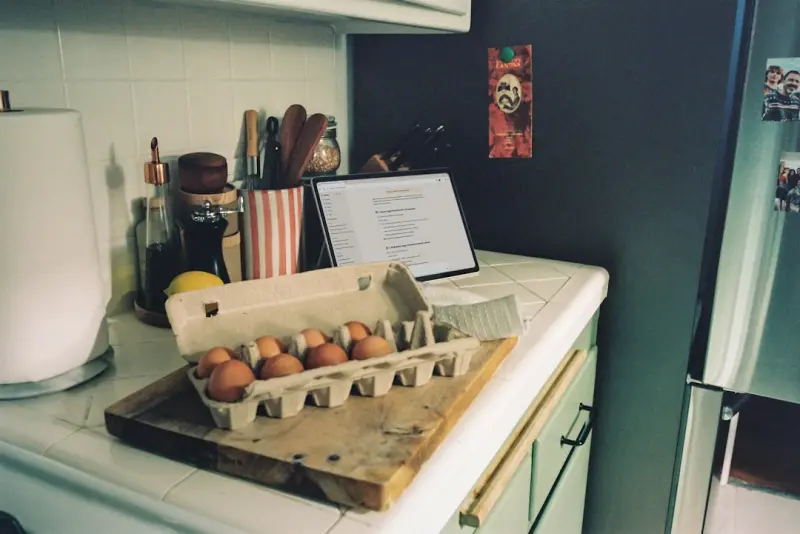
Algorithmic Appetite: Inside the AI Kitchen Revolution
Picture this: you’re standing in front of a sleek, voice‑activated countertop that knows you better than your own mother. It suggests a dinner based on the exact nutritional gaps in your last meal, the weather outside, and the time you have before the next meeting. It even orders the missing ingredients from a nearby micro‑warehouse in seconds. This isn’t a sci‑fi dream; it’s the emerging reality of AI‑driven virtual kitchens, and it’s reshaping how we think about food, convenience, and creativity.
When I first encountered a prototype that could suggest pairings you never imagined, I was skeptical. After all, cooking has always been a deeply human, sensory‑rich activity. Yet, as the algorithms learned to balance flavor profiles, texture contrasts, and even the psychological impact of color, they began to feel less like cold code and more like a well‑read cookbook written by an invisible chef.
Why AI Is More Than a Fancy Recipe Generator
Most people think AI in the kitchen is limited to “smart” recipe apps. The truth is, the technology has progressed from static databases to dynamic, self‑optimizing systems that incorporate real‑time data streams: grocery inventory, regional produce availability, personal health metrics, and even social media trends. The result? A hyper‑personalized culinary experience that adapts on the fly.
- Ingredient Forecasting: By analyzing supply chain data, AI predicts which fresh herbs or specialty mushrooms will be abundant next week, nudging you toward dishes that are both affordable and seasonally appropriate.
- Nutrient Tailoring: Integration with wearables lets the system fine‑tune macronutrient ratios to match your activity level, recovery needs, or specific health goals.
- Flavor Innovation: Machine learning models trained on millions of taste tests can propose combinations that humans might overlook, unlocking new taste experiences without the guesswork.
These capabilities go far beyond a static recipe list. They form an ecosystem where home‑made probiotics can be incorporated into meals based on your gut health data, or where waste ingredients are automatically repurposed into value‑added components for future dishes.
From Ghost Kitchens to Personal AI Chefs
Ghost kitchens—commercial spaces designed solely for delivery—have been the first large‑scale beneficiaries of AI. Companies use predictive ordering algorithms to decide which dishes to prep in advance, reducing food waste and speeding up delivery times. The same logic is now being miniaturized for the home environment.
Enter the “personal AI chef.” These platforms combine the logistical efficiency of ghost kitchens with the intimacy of home cooking. You scan a QR code on your fridge, and the AI knows you have a half‑used bag of kale, a block of tofu, and a jar of miso. Within seconds, it suggests a miso‑glazed tofu stir‑fry, complete with a step‑by‑step video that adjusts the cooking time based on your stove’s power rating.
What makes this shift exciting is the feedback loop. After you finish cooking, the system asks for a quick rating and optional notes. This data refines its future recommendations, creating a virtuous circle of improvement that feels almost organic.
Redefining Food Waste: The AI Approach
Food waste is a persistent problem, especially in affluent households where over‑purchasing is common. AI tackles this on multiple fronts. First, it predicts what you’ll likely use based on past behavior, nudging you to buy only what you need. Second, it suggests creative ways to repurpose leftovers, turning “forgotten” carrots into a carrot‑ginger soup that also integrates a probiotic boost from home‑made probiotics.
Perhaps the most groundbreaking development is the ability to convert waste into value through on‑demand upcycling. Imagine a small countertop device that takes vegetable peels, runs them through a low‑heat fermentation cycle, and produces a nutrient‑dense broth ready for soups. This isn’t a far‑off concept; pilot projects in Scandinavian kitchens are already proving the model’s viability.
The Social Dimension: Community‑Driven AI Menus
Cooking has always been a communal activity. AI platforms are now weaving community back into the digital experience. Users can share their AI‑generated menus, rate each other’s creations, and even collaborate on “co‑cooking” sessions where the algorithm synchronizes multiple kitchens in real time. Think of a virtual potluck where each participant prepares a dish that the AI has balanced to complement the others, ensuring a harmonious flavor journey across the table.
This social layer also fuels innovation. Trends that start in niche online groups can be quickly identified by the AI, which then suggests localized adaptations. A community in a coastal town might see a rise in seaweed‑based snacks, while an inland suburb could get AI‑curated mushroom‑centric meals.
Challenges and Ethical Considerations
While the promise is dazzling, the technology is not without pitfalls. Data privacy is paramount; the AI requires intimate details about your diet, health, and purchasing habits. Transparent consent mechanisms and robust encryption are non‑negotiable.
Another concern is the potential loss of culinary heritage. If algorithms dominate, will traditional recipes—passed down through generations—be sidelined? The answer lies in designing AI that respects and incorporates legacy dishes, offering modern twists rather than outright replacements.
Lastly, there’s the question of accessibility. High‑end AI kitchen setups are currently expensive, risking a divide where only affluent households reap the benefits. Open‑source initiatives and community kitchens could democratize access, ensuring the technology uplifts rather than excludes.
Looking Ahead: The Future Menu
In the next few years, expect AI to become a silent partner in the kitchen, handling mundane tasks while you focus on creativity and connection. Here’s a snapshot of what that future might look like:
- Real‑Time Nutrient Balancing: Your meal plan adjusts instantly based on the day’s activity logs from your smartwatch.
- Adaptive Cooking Appliances: Ovens and stovetops that communicate with the AI, auto‑adjusting temperature and time for perfect results.
- Zero‑Waste Loops: Integrated composting and fermentation units that transform scraps into functional ingredients on the spot.
- Flavor Exploration Labs: Virtual reality tastings that let you “sample” a dish before cooking, refining the recipe in seconds.
- Community Recipe Evolution: A global repository where each user’s tweaks contribute to a living, breathing culinary database.
As someone who grew up watching my grandmother stir a pot of soup until the entire kitchen smelled like comfort, I’m humbled by how far we’ve come. Yet, I’m equally excited that the next generation of cooks will have tools that amplify—not replace—their intuition.
Whether you’re a busy professional, a health‑focused athlete, or a culinary explorer, AI is set to become the sous‑chef you never knew you needed. Embrace it, question it, and most importantly, keep tasting the possibilities.

Related Posts
Flavor Alchemy: How Data is Transforming Home Cooking
Explore how modern data tools are unlocking new flavor pairings for home cooks, blending science wit... Read More

Fermenting the Future: How Homegrown Probiotics Are Changing Our Kitchens
From kombucha to kimchi, home fermentation is reshaping kitchens with probiotic health benefits, zer... Read More

Fermenting the Future: How Home Fermentation Is Becoming a Sustainable Superpower
Fermentation is more than a culinary trend; it's a low‑effort, high‑impact practice that extends... Read More
Top Posts

Why Real‑Time Guest Data Is the Secret Sauce for Restaurants
Real‑time guest data transforms static menus into dynamic experiences. Learn how to capture, analyze, and act on feedback instantly, empowering chefs and deli...Read More

Why Canada’s Political Landscape Is Shifting Toward Inclusive Governance
A deep dive into the forces redefining Canada’s politics—from Indigenous representation and youth activism to AI regulation and community hubs—showing a p...Read More

Level Up: Canada’s Immersive Gaming Renaissance
From VR festivals to Indigenous AR quests, Canada’s entertainment scene is evolving into a multisensory playground where technology, storytelling, and communi...Read More

How Community Co‑ops Can Slash Your Monthly Bills
Learn practical ways to reduce everyday expenses through community co‑ops, shared subscriptions, and skill‑barter networks, turning neighbours into allies a...Read More
0 Comments
Post Comment
You will need to Login or Register to comment on this post!